How to update cherished family recipes for today’s real food pantry?

Embracing Heritage While Nurturing Health
Our family recipe cards are more than just instructions; they’re heirlooms, rich with stories, memories, and a taste of generations past. From Grandma’s famous cookies to Aunt Carol’s legendary casserole, these dishes hold a special place in our hearts and on our tables. However, many traditional recipes often call for ingredients or cooking methods that don’t align with today’s focus on whole, unprocessed foods and healthier eating habits. The good news is you don’t have to choose between heritage and health. With a few thoughtful adjustments, you can lovingly update these cherished dishes to fit a modern ‘real food’ pantry, preserving their essence while boosting their nutritional value.

Understanding the ‘Real Food’ Pantry Philosophy
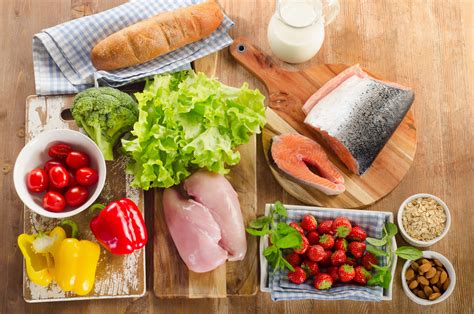
Before diving into specific recipe updates, it’s helpful to define what a ‘real food’ pantry entails. Generally, it means stocking your kitchen with ingredients that are minimally processed, close to their natural state, and free from artificial additives, excessive sugar, unhealthy fats, and refined grains. Think whole grains, fresh fruits and vegetables, lean proteins, healthy fats (like olive oil, avocado oil, grass-fed butter), and natural sweeteners in moderation. The goal is to nourish your body with wholesome ingredients that support overall well-being.
Key Principles of a Real Food Pantry:
- Whole Grains: Opt for oats, quinoa, brown rice, whole wheat flour over white flour.
- Healthy Fats: Use olive oil, avocado oil, coconut oil, grass-fed butter instead of hydrogenated oils or margarine.
- Natural Sweeteners: Reach for honey, maple syrup, dates, or fruit purees instead of refined white sugar or high-fructose corn syrup.
- Fresh Produce: Prioritize seasonal fruits and vegetables, both fresh and frozen.
- Lean Proteins: Choose pasture-raised meats, wild-caught fish, eggs, legumes, and plant-based proteins.
- Minimal Processing: Focus on ingredients with short, recognizable ingredient lists.
Strategic Ingredient Swaps for Healthier Classics
The easiest way to update a family recipe is by making smart ingredient substitutions. These swaps can significantly reduce unhealthy fats, refined sugars, and sodium without compromising the dish’s beloved character.
Fats and Oils:
Many old recipes rely on shortening, margarine, or vegetable oils that are high in unhealthy trans fats or omega-6 fatty acids. Replace them with:
- Grass-fed butter or ghee: Offers a rich flavor profile and contains beneficial fatty acids.
- Olive oil or avocado oil: Excellent for sautéing, roasting, and salad dressings.
- Coconut oil: A good plant-based option for baking or certain types of cooking, offering a distinct flavor.
- Applesauce or mashed banana: Can partially replace oil in baked goods for added moisture and natural sweetness.
Sweeteners:
Refined white sugar is often a major component in older dessert recipes. Reduce its quantity or swap it out for natural alternatives:
- Honey or maple syrup: Use about 2/3 to 3/4 the amount of sugar called for, and reduce other liquids slightly.
- Date paste or pureed fruit: Great for adding natural sweetness and fiber to baked goods.
- Stevia or erythritol: If you’re looking for zero-calorie options, but be mindful of the taste difference.

Flours and Grains:
White all-purpose flour can be easily upgraded to more nutrient-dense options:
- Whole wheat flour: Can often be swapped for up to 50-75% of white flour in baking.
- Almond flour or oat flour: Good gluten-free alternatives, though they may require adjustments to liquid and leavening.
- Quinoa or brown rice: Replace white rice in side dishes or stuffings.
Dairy and Processed Ingredients:
- Full-fat plain yogurt or kefir: Substitute for sour cream or mayonnaise in some recipes.
- Unsweetened almond milk or coconut milk: Replace cow’s milk for a dairy-free option.
- Homemade broth: Use instead of store-bought broths that can be high in sodium and artificial flavors.
- Fresh herbs and spices: Boost flavor naturally, allowing you to reduce salt.

Technique Transformations for Better Health
Beyond ingredients, consider modifying cooking methods to reduce unhealthy elements and boost nutrition.
- Reduce Frying: Instead of deep-frying, try baking, air-frying, or pan-frying with minimal healthy oil.
- Increase Vegetables: Sneak in extra vegetables wherever possible. Add pureed cauliflower to mashed potatoes, grated zucchini to meatloaf, or extra greens to soups and stews.
- Control Sodium: Focus on flavor from herbs, spices, citrus zest, and vinegars rather than relying heavily on salt. Taste and adjust at the end.
- Portion Control: While not a recipe change, serving smaller portions of rich dishes can be a simple way to enjoy them responsibly.
Preserving the Essence and Documenting Changes
The goal isn’t to completely reinvent your family’s beloved dishes but to evolve them thoughtfully. When making changes, start small. Replace half the sugar, or swap out one type of fat. Test your updates and get feedback from family members. It’s crucial to document your new versions, perhaps even creating a ‘Modern Family Recipe’ binder. Note down what worked, what didn’t, and what makes the updated version just as delicious, if not more so, than the original.

Conclusion
Updating cherished family recipes for today’s real food pantry is a rewarding journey that connects the past with the present. By making conscious ingredient swaps and modifying cooking techniques, you can transform traditional dishes into healthier, equally delicious versions that align with your wellness goals. This approach not only safeguards your family’s culinary legacy but also ensures that these treasured recipes continue to nourish and delight future generations in a wholesome way.