
Kids love homestead chores: Fun, engaging ways?

Making Chores an Adventure, Not a Burden
Many parents dream of raising resilient, responsible children who appreciate hard work and the bounty of the land. On a homestead, this dream often translates into involving kids in daily chores. But how do you ensure these tasks are met with enthusiasm rather than groans? The secret lies not just in assigning duties, but in transforming them into engaging, even joyful, experiences.
Homesteading offers a unique environment for children to learn invaluable life skills, connect with nature, and understand the cycle of food production. When chores are framed as adventures, opportunities for discovery, or contributions to a shared family goal, kids often surprise us with their willingness and even eagerness to participate. It’s about shifting perspective – for both parents and children – from obligation to opportunity.
The Unseen Benefits of Little Hands
Involving children in homestead chores goes far beyond getting tasks done. It cultivates a strong work ethic, problem-solving skills, and a deep sense of accomplishment. Children learn about where their food comes from, the effort required to sustain a home, and the interconnectedness of their environment. They develop fine motor skills, practical knowledge, and a tangible understanding of cause and effect.
Moreover, sharing responsibilities strengthens family bonds. Working side-by-side, even on mundane tasks, creates shared memories and fosters a sense of teamwork. It teaches patience, perseverance, and the satisfaction of seeing a project through from start to finish. These are lessons that extend far beyond the garden gate or the chicken coop.
Strategies for Engaging Young Homesteaders
Making chores fun isn’t about eliminating work, but about reframing it. Here are some proven strategies to spark enthusiasm:
1. Gamify the Grind
- Chore Charts with a Twist: Instead of a simple checklist, use stickers, stars, or a points system that leads to a family reward (e.g., a special treat from the garden, a movie night, or choosing the next family outing).
- Time Challenges: “Let’s see if we can gather all the eggs before the timer goes off!” or “Who can spot the most weeds in five minutes?”
- Scavenger Hunts: Turn harvesting vegetables or collecting tools into a treasure hunt.
2. Age-Appropriate Tasks and Tools
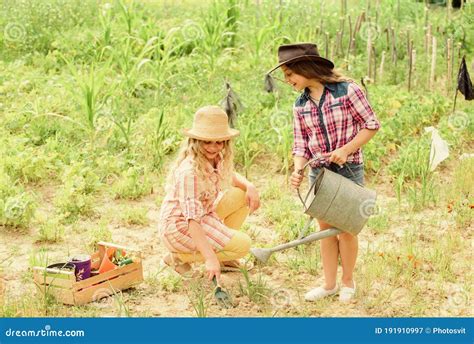
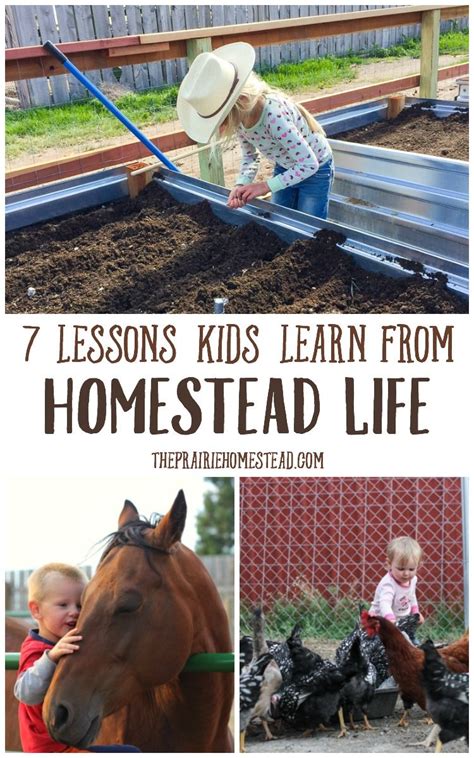
Giving a toddler a full-sized shovel is frustrating; giving them a small, sturdy hand trowel is empowering. Assign tasks that match their developmental stage and provide child-sized, real tools whenever possible. Even toddlers can help water plants with a small watering can, while older children can manage more complex tasks like weeding specific beds or feeding animals.
3. Foster Ownership and Choice
Allow children to choose some of their responsibilities. Giving them a sense of autonomy increases their investment. Let them pick which crop to tend, which animal to care for, or how they want to tackle a particular task (within reason). Involve them in planning, from seed selection to deciding where to plant certain vegetables.
4. Lead by Example and Make it a Family Affair
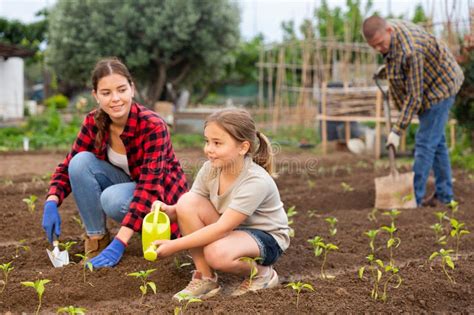
Children learn best by observing. If parents approach chores with a positive attitude, children are more likely to mirror that enthusiasm. Work alongside them, chat and sing while you work, and celebrate successes together. Make it a shared experience, not just a parental delegation.
5. Connect to Nature and Purpose
Help children understand the ‘why’ behind their tasks. Explain that weeding helps the vegetables grow big and strong, or that feeding the chickens provides fresh eggs for breakfast. Talk about the soil, the insects, the weather, and the cycle of life on the homestead. This connection to purpose makes chores feel meaningful.
Fun Chore Ideas for Every Age
Here are some examples of homestead chores that can be made engaging:
Toddlers & Preschoolers (1-4 years)
- Watering Plants: With a small watering can, make it a ‘drink party’ for the plants.
- Gathering Eggs: A simple treasure hunt for colorful eggs.
- Washing Veggies: Fun with water and bubbles in a tub.
- Helping to Rake: Give them a small toy rake to ‘help’ with leaves or straw.
Early Elementary (5-8 years)
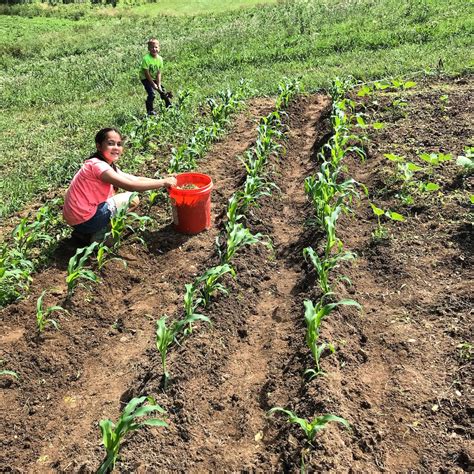
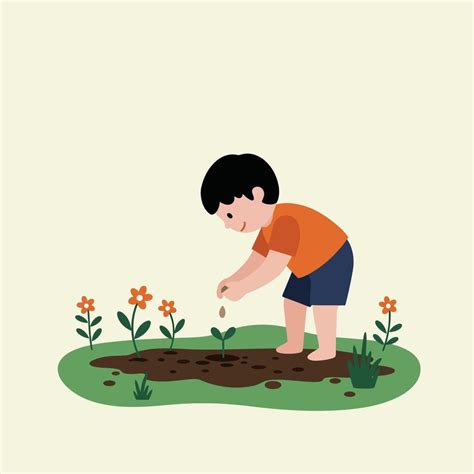
- Weeding & Mulching: Assign a ‘personal patch’ they’re responsible for.
- Harvesting: Teach them to identify ripe produce and make it a ‘food treasure hunt’.
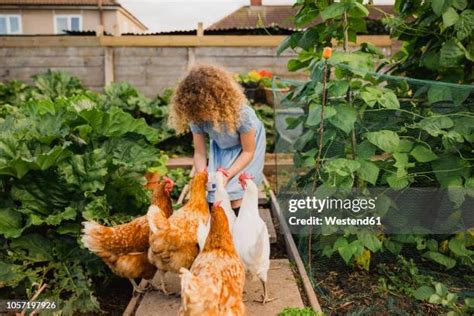
- Feeding & Watering Animals: Supervised care for chickens, rabbits, or goats.
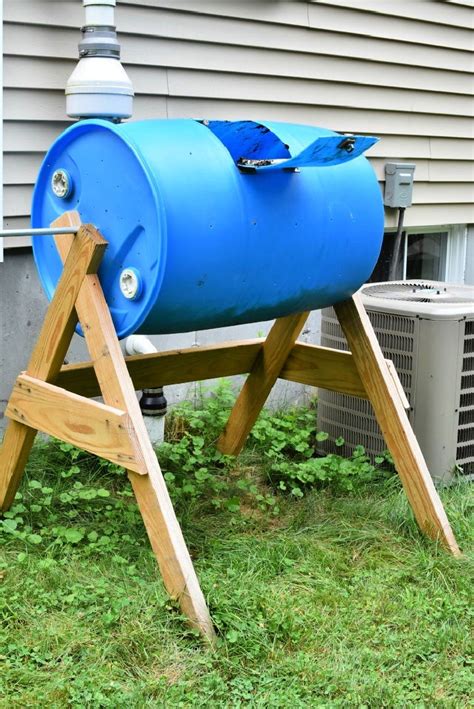
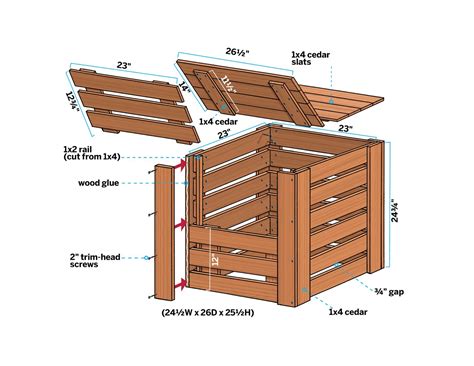
- Compost Duty: Turning the compost pile can be a ‘stinky science experiment’.
Late Elementary & Tweens (9-12 years)
- Garden Planning: Involve them in choosing seeds, drawing garden maps.
- Animal Care: Taking more significant responsibility for daily feeding, cleaning, and health checks.
- Basic Construction/Repairs: Helping with fences, raised beds, or simple shed repairs.
- Seed Saving: A fascinating lesson in botany and future planning.
Beyond the Task: Building Character and Connection
The true reward of involving kids in homestead chores isn’t just a tidy garden or fed animals; it’s the development of capable, confident, and compassionate individuals. They learn patience waiting for seeds to sprout, resilience when a crop fails, and empathy caring for animals. They gain an understanding of natural cycles and the value of self-sufficiency. These experiences build character and create lasting memories that tie them to their home and the land.
By approaching chores with creativity, patience, and a willingness to make it fun, parents can transform routine tasks into enriching experiences. The homestead becomes not just a place to live, but a living classroom where children grow alongside the plants and animals, developing a lifelong love for hard work and the natural world.
Conclusion: Cultivating Joy in the Journey
Kids genuinely can love homestead chores when parents infuse them with fun, meaning, and a sense of purpose. By providing age-appropriate tasks, encouraging ownership, and participating together as a family, these daily responsibilities evolve into opportunities for growth, learning, and connection. The homestead is a powerful training ground for life, and with a little intentional effort, every chore can become a cherished part of childhood.