
Kids refusing garden veggies? Real food tips!

Turning Tiny Noses Away from Greens: A Common Parental Challenge
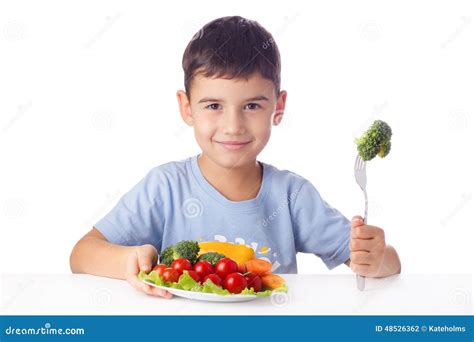
Ah, the joy of a home garden! Fresh tomatoes, crisp lettuce, vibrant carrots – a bounty of healthy goodness. But what happens when that goodness meets a tiny, discerning palate that views anything green as an enemy? You’re not alone. Many parents face the uphill battle of convincing their children to eat vegetables, especially those they’ve grown themselves. The good news is, with a few ‘real food’ strategies, you can transform mealtime from a battlefield into a bonding experience.

From Seed to Plate: Involving Kids in the Process
One of the most powerful tools in your arsenal is involvement. When children have a hand in growing their food, they develop a sense of ownership and curiosity. It’s harder to refuse a carrot they personally pulled from the earth or a pea pod they painstakingly shelled.
1. Get Their Hands Dirty (Literally!)
Dedicate a small patch of your garden to your kids. Let them choose what to plant – cherry tomatoes, snap peas, or even simple herbs. Teach them about soil, seeds, and sunshine. The anticipation of watching their plants grow can be a powerful motivator.
2. Kitchen Helpers
Once the harvest comes in, invite them into the kitchen. Even toddlers can wash vegetables, tear lettuce, or stir a pot (with supervision). Older children can help chop, measure, and even plan simple meals. When they contribute to preparing the food, they’re much more likely to try it.

Making Veggies Fun and Appealing
Presentation matters, especially to kids. Think outside the steamed broccoli box.
3. Creative Presentation
Turn vegetables into edible art. Cut cucumbers and carrots into fun shapes with cookie cutters. Arrange bell pepper strips and cherry tomatoes into faces or animals on a plate. Offer dips like hummus or homemade yogurt ranch dressing.
4. “Sneaky” Veggies Done Right
While outright deception can backfire, smart integration is key. Blend spinach into fruit smoothies (the fruit masks the green color and taste). Grate zucchini or carrots into muffins, meatballs, or pasta sauces. Make homemade pizza with a variety of colorful vegetable toppings. The goal isn’t to hide them forever, but to introduce flavors and textures subtly.

Lead by Example and Patience is Key
Children are master imitators. Your eating habits speak volumes.
5. Be a Role Model
Let your kids see you genuinely enjoying a wide variety of vegetables. Talk about how delicious and energizing they are. Make vegetables a prominent and enjoyable part of every family meal. Eat them yourself, and enthusiastically!
6. Offer, Don’t Force
Pressuring children to eat can create negative associations with food. Offer a small portion of vegetables alongside other food. If they don’t eat it, that’s okay. Try again next time. It can take multiple exposures (sometimes 10-15!) for a child to accept a new food.

Cultivating a Lifetime of Healthy Eating Habits
Encouraging kids to eat garden veggies isn’t about one meal; it’s about fostering a healthy relationship with food that lasts a lifetime. By involving them in the process, making food fun, and setting a positive example, you’re not just feeding their bodies – you’re nurturing their curiosity, independence, and overall well-being. So, keep planting, keep cooking, and most importantly, keep enjoying the journey together.