My backyard chickens stopped laying. What natural solutions can help egg production?

Understanding Why Your Hens Stopped Laying
It’s a common concern for backyard chicken keepers: one day, your egg basket is full, and the next, it’s suspiciously empty. When your flock’s egg production grinds to a halt, it can be frustrating. Before diving into solutions, it’s helpful to understand the potential reasons your hens might have ceased laying. Factors can range from natural occurrences like molting or age to environmental stressors, inadequate nutrition, or even underlying health issues. Fortunately, many common laying problems can be addressed with simple, natural adjustments to their diet and environment.
Optimize Their Diet: The Foundation of Good Laying
Nutrition is paramount for consistent egg production. A hen needs a balanced diet rich in protein and calcium to form strong eggshells and sustain her laying cycle. If your hens have stopped laying, a good first step is to critically evaluate what they’re eating.
- High-Quality Layer Feed: Ensure they have constant access to a high-quality, complete layer feed (16-18% protein, 3.5-4.5% calcium). This should be their primary food source, not just scraps.
- Calcium Supplements: Even with layer feed, some hens need extra calcium. Offer free-choice oyster shells in a separate feeder. Hens will consume what they need. Crushed eggshells (baked and cooled to kill bacteria) can also be offered.
- Healthy Treats in Moderation: While kitchen scraps are fun, ensure they don’t make up more than 10% of your flock’s diet. Opt for nutrient-dense treats like mealworms (protein), dark leafy greens, squash, or oats. Avoid sugary or salty processed foods.
- Flaxseed: A natural source of Omega-3 fatty acids, flaxseed can improve yolk color and overall egg quality, potentially encouraging laying. Offer a small amount mixed with their feed.
Reduce Stress and Improve Their Environment
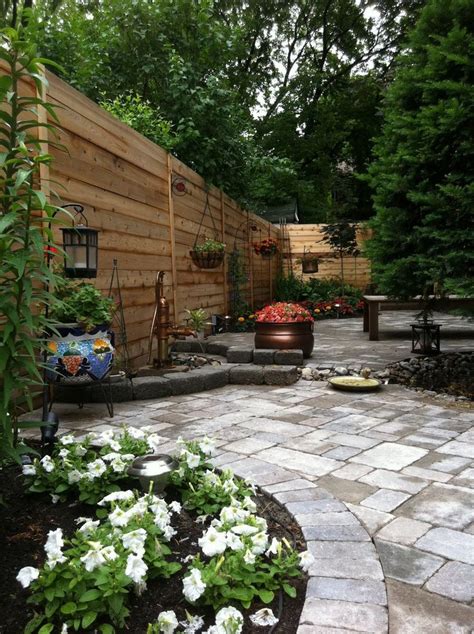
Stress is a major factor that can cause hens to stop laying. Chickens thrive on routine and a safe, comfortable environment. Evaluate your coop and run for potential stressors:
- Cleanliness: A dirty coop harbors bacteria and parasites, creating stress and health issues. Regular cleaning, fresh bedding, and good ventilation are crucial.
- Space: Overcrowding leads to stress, pecking order issues, and reduced laying. Ensure each hen has adequate coop space (3-4 sq ft inside, 8-10 sq ft outside).
- Predator Protection: A perceived threat from predators (even if unseen) can cause immense stress. Secure your coop and run, especially at night.
- Dust Baths: Provide an area for dust bathing, which is essential for feather health and parasite control. A mix of fine dirt, sand, and wood ash works well.
- Quiet and Routine: Sudden changes, loud noises, or frequent disruptions can be stressful. Maintain a consistent daily routine for feeding, watering, and coop access.
Ensure Adequate Light and Hydration
Light exposure and water intake are critical, often overlooked factors in egg production.
- Light Cycles: Hens typically need 14-16 hours of daylight to stimulate egg production. During shorter winter days, consider adding a low-wattage light to the coop on a timer to extend their “day.” Start gradually to avoid shocking their system.
- Fresh Water: A hen’s egg is mostly water. Dehydration, even mild, will quickly shut down egg production. Ensure constant access to fresh, clean water. In hot weather, add ice; in cold, prevent freezing. Apple cider vinegar (ACV) can be added to water (1 tbsp per gallon) once a week to promote gut health, but not as a constant additive.
Natural Supplements and Herbal Support
Beyond basic feed, certain natural supplements can give your hens a boost:
- Fermented Grains: Soaking grains or even their layer feed until it ferments can increase nutrient absorption and gut health, leading to better overall condition and laying.
- Herbs: Many common herbs have benefits for chickens. Oregano is known for immune support, basil for stress reduction, and thyme for respiratory health. You can hang bunches in the coop or mix small amounts into their feed. Dandelion greens are also a nutritious treat.
- Kelp Meal: Rich in minerals and vitamins, kelp meal can be added to feed to improve egg quality, yolk color, and overall flock health.

Observe Your Flock Closely
Finally, be a keen observer. Spend time watching your chickens. Are they active and alert? Are their combs bright red? Are any showing signs of illness, lethargy, or bullying? Addressing individual health issues or flock dynamics quickly can prevent a widespread drop in egg production. Sometimes, a single broody hen can slow down the whole flock’s output as others follow suit.

Patience and Persistence
Returning your hens to regular laying often requires a bit of patience. Implement these natural solutions consistently, and monitor their progress. With proper nutrition, a stress-free environment, and attentive care, your backyard chickens will likely return to their egg-laying duties, filling your basket with delicious, home-grown goodness once again.