



My backyard hens keep eating my vegetable garden. How to deter them naturally?

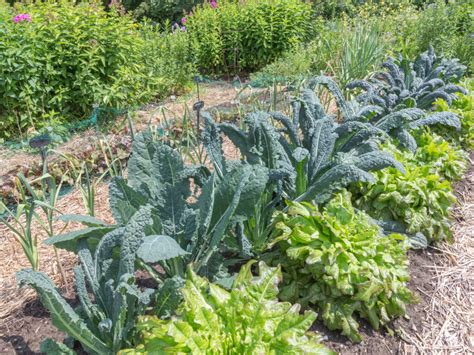
There’s nothing quite like the satisfaction of watching your backyard hens scratch and forage, embodying the pastoral ideal. That is, until you find them gleefully decimating your freshly sprouted lettuce or pecking at your ripe tomatoes. This common predicament for urban and rural homesteaders alike begs the question: how can you protect your precious vegetable garden from your feathered friends without resorting to harsh chemicals or constant supervision?
Understanding the Pecking Problem
Chickens are natural omnivores, and your lush vegetable garden looks like an all-you-can-eat buffet to them. They’re attracted to tender greens, juicy fruits, and even the insects that might be hiding within your plants. Their instinct to forage, dust bathe, and scratch means they can quickly turn a well-tended bed into a chaotic mess. The key to deterrence lies in understanding these natural behaviors and redirecting them.
Strategy 1: Implement Physical Barriers
The most straightforward and often most effective method is to create a physical separation between your hens and your plants. This doesn’t have to mean fortress-like walls, but rather strategic fencing or covers.
Fencing
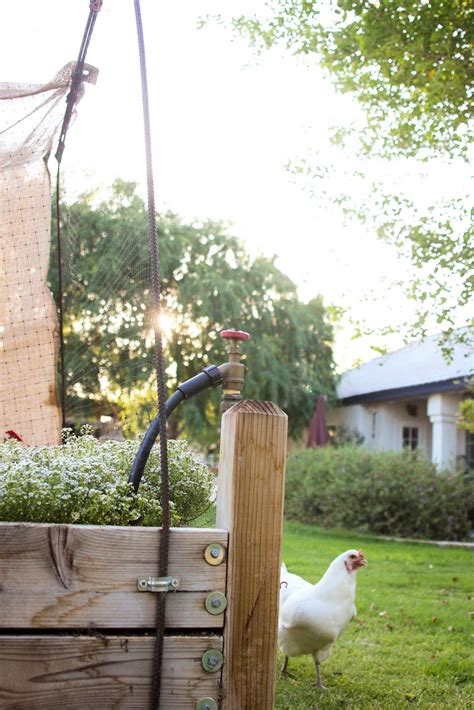
- Chicken Wire or Netting: A simple fence around your garden beds can work wonders. It needs to be tall enough (at least 3-4 feet) to prevent them from flying over, and ideally, extend a few inches into the ground to deter digging underneath.
- Temporary Barriers: For specific plants or during vulnerable stages (like seedlings), consider temporary cloches or wire cages made from hardware cloth.
Row Covers and Cages
Lightweight row covers can protect young plants while allowing sunlight and water through. For larger plants, build simple cages around them. These can be particularly useful for protecting berry bushes or ripening fruits that are irresistible to chickens.

Strategy 2: Create a Designated Foraging Area
Chickens love to forage, so why not give them a place to do it that isn’t your veggie patch? By providing an alternative, you can satisfy their natural instincts while keeping your garden safe.
The Chicken Run
Ensure your chickens have a spacious, stimulating run filled with plenty of opportunities to scratch, dust bathe, and explore. Rotate their run areas if possible to allow different sections to recover and offer fresh foraging opportunities.
Dedicated Compost or Scratch Patch
Designate a specific area for them to scratch. You can even create a “chicken tractor” – a movable coop without a floor – that allows them to forage in controlled sections of your yard, including areas you’ve already harvested or need to prepare for planting.

Strategy 3: Natural Repellents and Deterrents
Some scents and textures are unpleasant for chickens and can encourage them to stay away. These methods are generally used as a secondary line of defense or in conjunction with physical barriers.
Strong Scents
- Garlic and Onion: Planting garlic or onions around the perimeter of your garden can deter chickens due to their strong smell.
- Herbs: Some herbs like mint, lavender, and rosemary are said to be off-putting to chickens. Plant them strategically around your garden beds.
- Citrus Peels: Scatter citrus peels (lemon, orange, grapefruit) around the garden. Chickens dislike the strong scent.
Spicy Sprays
A mild cayenne pepper spray (water mixed with a small amount of cayenne) can be sprayed on plants. Be cautious and test a small area first, and reapply after rain. This acts as a taste deterrent rather than an irritant.
Reflective Objects
Shiny objects like old CDs, aluminum foil strips, or pie tins hanging on stakes can startle chickens and discourage them from entering. The unpredictable movement and reflections can be unsettling for them.

Strategy 4: Smart Gardening and Supervision
How you design your garden and manage your flock can also play a significant role in deterrence.
Raised Beds
Elevating your garden beds can make them less accessible. While determined chickens might still try to jump, a higher edge can be a deterrent, especially when combined with perimeter fencing.
Intercropping and Companion Planting
Planting chicken-deterring herbs or strong-smelling vegetables (like marigolds or alliums) between your desired crops can create a natural barrier. You can also plant ‘sacrificial’ plants they prefer, drawing them away from your main crops.
Supervised Free-Ranging
Allow your chickens to free-range only when you can supervise them, especially in garden areas. This way, you can gently redirect them if they start showing too much interest in your veggies. Consider letting them free-range in the garden only after harvest, allowing them to clean up fallen produce and pests.
Long-Term Solutions and Patience
Protecting your garden from chickens is an ongoing process that often requires a combination of strategies. Consistency is key. Observe your flock’s behavior to understand what attracts them most and adjust your methods accordingly.
With a little ingenuity and patience, you can cultivate a thriving vegetable garden while still enjoying the benefits and charm of your backyard flock. It’s all about creating harmony between your feathered friends and your edible landscape.