Natural aphid control for edible garden plants?

Aphids are tiny, pear-shaped insects that can wreak havoc on your edible garden, sucking the life out of tender plant tissues and leaving behind sticky honeydew. While chemical pesticides offer a quick fix, they pose risks to your health, beneficial insects, and the environment, especially when applied to fruits, vegetables, and herbs destined for your plate. Fortunately, a variety of natural, organic methods can effectively manage aphid populations, keeping your edible plants healthy and your harvest safe.
Understanding Your Foe: Identifying Aphids
Before you can control them, you need to know what you’re looking for. Aphids are small, ranging from pinhead to match-head size, and can be green, black, yellow, brown, or even pink. They often cluster on new growth, the undersides of leaves, and flower buds. Signs of an aphid infestation include stunted growth, curled or yellowing leaves, and the presence of sticky honeydew (a sugary excretion) which can lead to sooty mold.

Preventative Measures: Building a Resilient Garden
The best offense is a good defense. Creating a garden environment that naturally deters aphids and encourages their predators can significantly reduce infestation risks.
Companion Planting
Certain plants can repel aphids or attract beneficial insects. For example, planting marigolds, nasturtiums (as a trap crop), garlic, chives, or onions near your susceptible edibles can deter aphids. Dill, cilantro, and parsley, when allowed to flower, attract ladybugs and lacewings, both voracious aphid eaters.
Good Garden Hygiene
Healthy plants are more resistant to pests. Ensure proper watering and fertilization to avoid stressing your plants. Remove weeds, which can harbor aphids, and clear away plant debris where eggs might overwinter. Inspect your plants regularly, especially new growth, to catch infestations early.

Direct Control: What To Do When Aphids Appear
If prevention isn’t enough and aphids make an appearance, several natural methods can help you remove them directly.
Manual Removal and Water Spray
For small infestations, a strong stream of water from your hose can dislodge aphids from leaves and stems. Repeat this every few days until the problem subsides. For more stubborn clusters, gently wipe them off with your fingers or a damp cloth. This method is surprisingly effective for smaller plants or localized issues.
Homemade Insecticidal Soaps
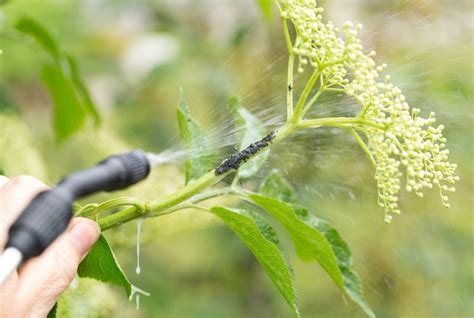
A simple solution of mild liquid dish soap (avoid detergents with degreasers or bleaches) and water can be an effective aphid killer. Mix 1-2 teaspoons of soap with 1 liter of water and spray directly onto the aphids, ensuring good coverage, especially on the undersides of leaves. The soap suffocates the aphids. Test on a small area first to ensure no plant damage, and reapply every 5-7 days as needed.
Neem Oil Spray
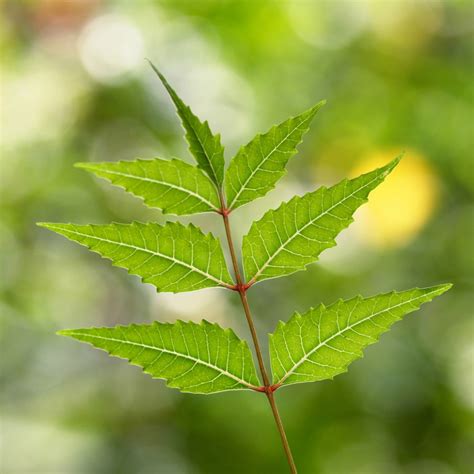
Derived from the neem tree, neem oil is a natural pesticide that disrupts aphid feeding and reproduction cycles. Mix neem oil concentrate according to package directions with water and a tiny bit of mild soap (as an emulsifier). Spray thoroughly, especially on the undersides of leaves, in the early morning or late evening to avoid burning foliage and harming beneficial nocturnal insects. Neem oil also acts as a fungicide and miticide.
Attracting Beneficial Insects: Nature’s Pest Control
One of the most sustainable approaches is to invite predators into your garden. Ladybugs, lacewings, hoverflies, and parasitic wasps are natural enemies of aphids. You can purchase these beneficial insects for release, but it’s often more effective to create a habitat that encourages them to stay. Plant diverse flowering plants (like cosmos, coreopsis, sweet alyssum, and yarrow) that provide nectar and pollen for adults, ensuring they have a reason to stick around and lay their eggs.
![[100+] Imagens De Miraculous Ladybug | Wallpapers.com](/images/aHR0cHM6Ly90czQubW0uYmluZy5uZXQvdGg/aWQ9T0lQLmpyYUxRVGpyT3FiT2lVSzNRQVVtQ2dIYUVLJnBpZD0xNS4x.webp)
Conclusion: A Holistic Approach for a Healthy Edible Garden
Controlling aphids naturally on your edible garden plants requires a combination of vigilance, prevention, and targeted intervention. By understanding aphid behavior, promoting plant health, utilizing companion planting, and encouraging beneficial insects, you can create a thriving, organic garden ecosystem. Embrace these eco-friendly strategies to protect your harvest, ensure food safety, and enjoy the bounty of your pest-free edible garden.