

Natural blight prevention for homegrown heirloom tomatoes?

Heirloom tomatoes, with their incredible diversity in flavor, color, and history, are a gardener’s delight. However, their often delicate nature can make them susceptible to various diseases, with blight being one of the most feared. Blight can quickly decimate a crop, turning lush plants into withered, unproductive specimens. The good news is that many natural and organic approaches can significantly reduce the risk of blight, allowing you to enjoy the full bounty of your homegrown heirlooms.
Understanding Tomato Blight: Early vs. Late
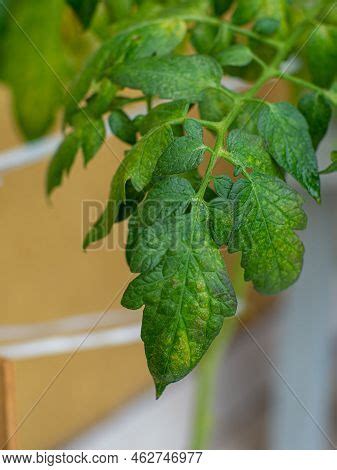
Before diving into prevention, it’s crucial to understand the main types of blight that affect tomatoes: Early Blight (Alternaria solani) and Late Blight (Phytophthora infestans). Early blight typically appears first on lower leaves as dark, concentric spots, often surrounded by a yellow halo. Late blight, the more aggressive of the two, causes large, irregular, water-soaked spots on leaves and stems, eventually leading to rapid defoliation and fruit rot.
Both types thrive in cool, wet conditions and can spread rapidly through splashing water. Understanding their characteristics is the first step in effective natural management.
Proactive Soil and Plant Health Strategies
1. Build Healthy Soil
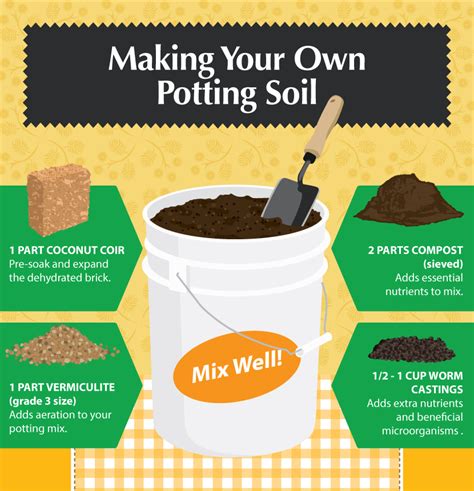
A strong defense starts from the ground up. Healthy, nutrient-rich soil fosters robust plants that are better equipped to resist disease. Incorporate plenty of organic matter, such as compost and well-rotted manure, to improve soil structure, drainage, and microbial activity. Good drainage is particularly important, as standing water can encourage fungal growth.
2. Smart Watering Practices
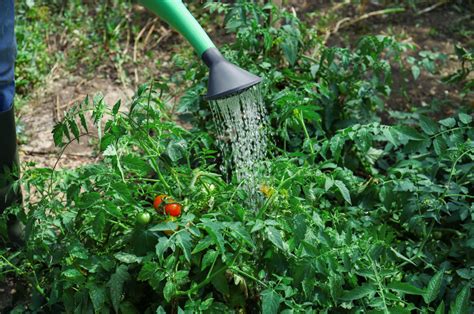
Watering correctly is paramount. Always water at the base of the plant, directly delivering moisture to the roots and keeping foliage dry. Overhead watering can splash fungal spores onto leaves, facilitating spread. Water deeply and less frequently to encourage deep root growth, and consider watering in the morning so any accidental moisture on leaves has time to dry before evening.
3. Ensure Proper Air Circulation and Spacing
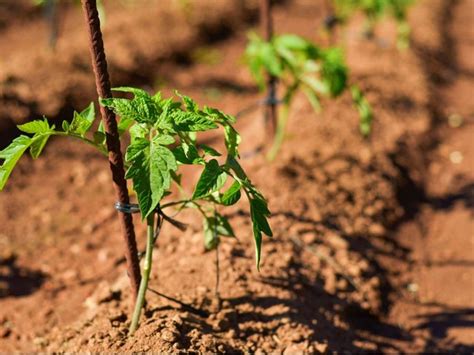
Crowded plants create a humid microclimate, ideal for blight development. Provide adequate spacing between your tomato plants to allow for good airflow. Prune the lower leaves and any suckers that aren’t contributing to fruit production to further improve circulation and prevent soil-borne spores from splashing onto foliage.
4. Crop Rotation
Never plant tomatoes (or other members of the nightshade family like potatoes, peppers, or eggplants) in the same spot year after year. Blight pathogens can overwinter in the soil. A rotation cycle of at least three to four years helps break the disease cycle and reduces pathogen build-up in your garden beds.
Natural Remedies and Preventative Treatments
1. Neem Oil Sprays
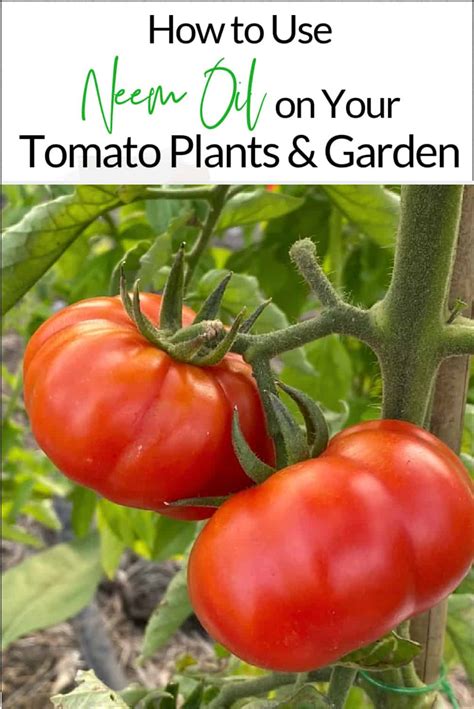
Neem oil is a natural, organic fungicide and insecticide. Applied preventatively, it can help deter fungal spores from germinating on plant surfaces. Mix according to package directions and apply to the entire plant, including the undersides of leaves, especially after rainfall or periods of high humidity. Regular application, typically every 7-14 days, can be very beneficial.
2. Organic Copper or Sulfur Sprays
For more serious preventative measures, organic copper or sulfur fungicides can be used. These act as protectants, forming a barrier on plant surfaces to inhibit fungal growth. Always follow label instructions carefully for mixing and application to avoid phytotoxicity (plant damage) and ensure effectiveness. Apply before blight symptoms appear, especially during wet weather.
3. Companion Planting
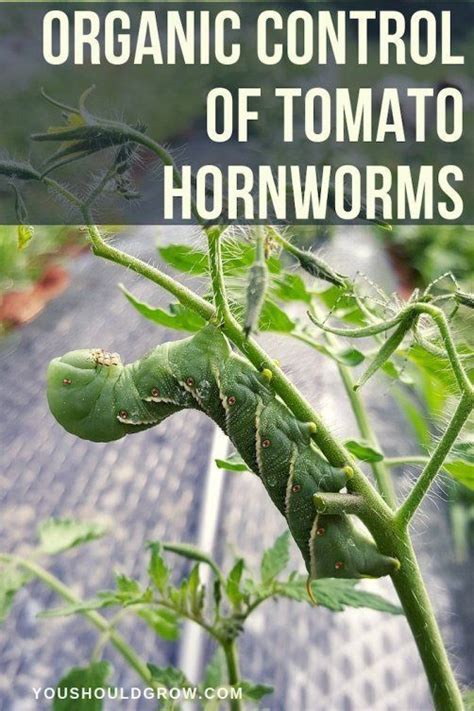
Certain companion plants can naturally deter pests and diseases. Marigolds are known to repel nematodes and other soil pests, while basil planted nearby is thought to improve tomato flavor and potentially deter tomato hornworms. While not a direct blight preventative, healthy plants due to fewer pests are generally more resilient.
Monitoring and Early Detection
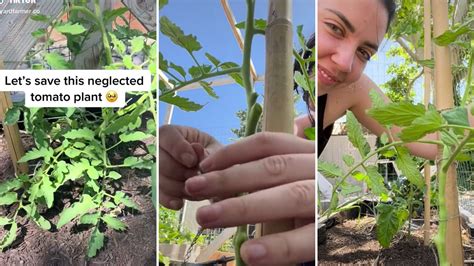
Regularly inspect your heirloom tomato plants for any signs of disease. The earlier you detect blight, the better your chances of containing it. If you spot diseased leaves, carefully remove them immediately, disposing of them in the trash (not your compost pile) to prevent further spread. Sterilize your pruning tools with rubbing alcohol between cuts to avoid cross-contamination.
Conclusion
Cultivating blight-free heirloom tomatoes naturally requires a holistic approach, combining good cultural practices with timely preventative treatments. By focusing on healthy soil, proper watering, adequate air circulation, crop rotation, and judicious use of organic remedies, you can significantly reduce the risk of blight. While no method offers 100% guarantee, these natural strategies empower you to protect your prized heirlooms and enjoy a bountiful harvest of truly exceptional tomatoes, grown the way nature intended.