



Natural DIY pest control for vegetable gardens: what really works?
Embracing a Chemical-Free Garden
For many home gardeners, the dream of a bountiful harvest comes hand-in-hand with the desire to keep it natural and chemical-free. When unwelcome pests inevitably arrive, the instinct is often to reach for DIY solutions rather than synthetic pesticides. But with so many recommendations floating around, how do you discern what genuinely works from old wives’ tales?
Understanding Your Garden’s Ecosystem
Before dousing your plants with concoctions, take a moment to understand who your adversaries are. Are you battling aphids, spider mites, cabbage worms, or slugs? Identifying the pest is the first crucial step, as different methods target different invaders.
Preventative Measures: The Foundation of Natural Pest Control
The most effective pest control is prevention. A healthy garden ecosystem is naturally more resilient to infestations.
- Healthy Soil: Nutrient-rich, well-draining soil leads to strong plants that can better withstand pest attacks.
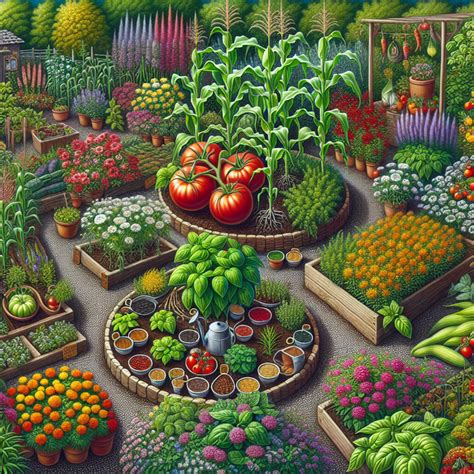
- Companion Planting: Strategically placing certain plants together can deter pests. Marigolds repel nematodes, nasturtiums lure aphids away from prized crops, and basil can deter flies and mosquitoes.
- Crop Rotation: Moving crops to different beds each season breaks pest and disease cycles that might overwinter in the soil.
- Garden Hygiene: Regularly remove weeds (which can harbor pests), fallen leaves, and diseased plant parts.
DIY Remedies: Separating Fact from Fiction
Once pests have established themselves, it’s time for targeted action. Here are some popular DIY methods and their real-world efficacy:
What Really Works:
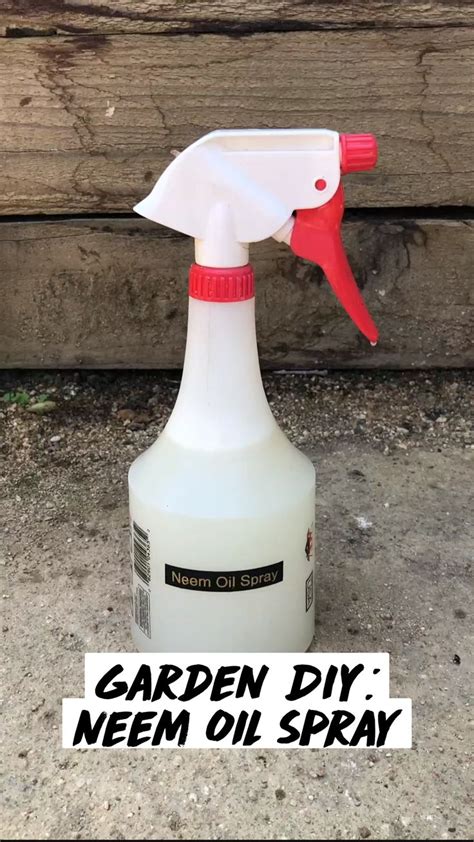
- Neem Oil Spray: Derived from the neem tree, this organic insecticide disrupts insect growth and acts as an anti-feedant. It’s effective against a wide range of pests, including aphids, whiteflies, spider mites, and cabbage worms. How to use: Mix according to package directions and spray thoroughly, especially undersides of leaves, during cooler parts of the day.
- Insecticidal Soap: A simple mixture of mild liquid soap and water (ensure it’s pure soap, not detergent) effectively suffocates soft-bodied insects like aphids, mealybugs, and spider mites. How to use: Mix 1-2 teaspoons of pure liquid castile soap (or insecticidal soap concentrate) per gallon of water. Test on a small area first.
- Diatomaceous Earth (DE): Food-grade DE is a natural, abrasive powder made from fossilized diatoms. When insects with exoskeletons crawl over it, the sharp particles cut their protective layers, causing dehydration. Effective against slugs, snails, earwigs, and ants. How to use: Sprinkle a fine layer around the base of plants or on affected areas when plants are dry. Reapply after rain.
Less Reliable or Niche Solutions:
- Garlic and Chili Sprays: While strong-smelling, these are generally more effective as repellents than killers. They might deter some pests temporarily, but their efficacy for widespread infestation control is limited. They can also irritate some plant leaves.
- Oil Sprays (e.g., vegetable oil): Similar to insecticidal soap, these can suffocate insects, but using pure vegetable oil can clog plant pores and lead to fungal issues if not formulated correctly or applied too heavily. Stick to commercially prepared horticultural oils or insecticidal soaps.
Enlisting Nature’s Army: Beneficial Insects
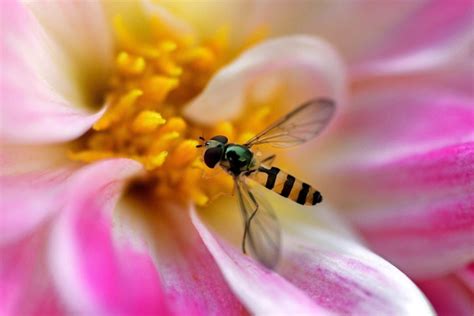
Inviting beneficial insects into your garden is one of the most sustainable and effective natural pest control strategies. Ladybugs devour aphids, lacewings prey on a variety of soft-bodied pests, and parasitic wasps target caterpillars. Plant diverse flowers, herbs, and native plants to provide nectar and pollen for these helpful allies, ensuring they have a reason to stay.
Physical Barriers and Hand-Picking
Sometimes the simplest methods are the best:
- Hand-picking: For larger pests like tomato hornworms or slugs, manually removing them (and dropping them into a bucket of soapy water) can be surprisingly effective. Do this regularly.
- Row Covers: Lightweight floating row covers can protect young plants from flying insects like cabbage moths, squash bugs, and cucumber beetles. Ensure they are sealed at the edges to prevent pests from crawling underneath.
The Takeaway: Patience and Persistence
Natural DIY pest control is rarely a one-and-done solution. It requires observation, patience, and persistence. By adopting a holistic approach that emphasizes prevention, supports beneficial insects, and uses targeted DIY remedies when necessary, you can cultivate a thriving, chemical-free vegetable garden that truly works with nature.