



Natural methods to enrich garden soil for heirloom vegetable success?
Why Healthy Soil is the Secret to Heirloom Success
For any gardener, particularly those dedicated to the unique flavors and heritage of heirloom vegetables, soil health is paramount. Heirloom varieties often have specific nutrient needs and can be more sensitive to poor soil conditions than their hybrid counterparts. Enriching your garden soil naturally not only provides the essential nutrients but also builds a vibrant ecosystem that supports plant vigor, disease resistance, and bountiful harvests without relying on synthetic chemicals.
Cultivating a living, breathing soil full of organic matter and beneficial microorganisms is the foundation for a truly successful heirloom garden. Let’s explore some of the most effective natural methods to achieve this.
The Cornerstone: Composting
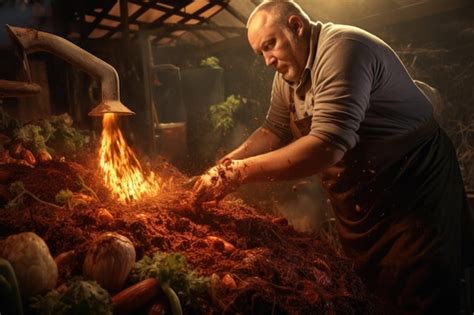
Compost is often called ‘black gold’ for a good reason. It’s decomposed organic matter that dramatically improves soil structure, water retention, drainage, and nutrient availability. Making your own compost from kitchen scraps, garden waste, leaves, and other organic materials is perhaps the single most impactful natural method for enriching your soil.
- How to Use: Dig compost directly into new garden beds, top-dress existing beds annually, or mix it into potting mixes. Compost provides a slow-release buffet of nutrients and hosts a thriving community of beneficial microbes that work wonders for your plants.
- Benefits: Enhances soil structure, increases water-holding capacity in sandy soils, improves drainage in clay soils, suppresses plant diseases, and buffers soil pH.
The Living Blanket: Cover Crops
Cover crops, also known as green manures, are plants grown specifically to benefit the soil rather than for harvest. They are sown in beds that would otherwise lie fallow, protecting the soil from erosion and compaction, and adding vital organic matter and nutrients.
- Types: Legumes (clover, vetch, peas) fix nitrogen from the air into the soil. Grains (rye, oats, wheat) produce large amounts of biomass that, when tilled in, contribute significant organic matter.
- Application: Sow cover crops in late summer or fall after your main harvest, or during off-seasons. In spring, before planting your heirlooms, cut down and incorporate the green matter into the top few inches of soil, allowing it to decompose for a few weeks before planting.

The Unsung Heroes: Vermicomposting and Worm Castings
Earthworms are nature’s ultimate soil engineers. Vermicomposting, or worm composting, harnesses the power of specific composting worms (like red wigglers) to break down organic waste into highly potent worm castings. These castings are an incredibly rich, concentrated form of natural fertilizer.
- Benefits: Worm castings are packed with beneficial microbes, enzymes, and plant-available nutrients. They improve soil aeration, drainage, and water retention, and can even deter some pests.
- How to Use: Add worm castings directly to planting holes, top-dress around established plants, or brew them into a ‘worm tea’ for a liquid fertilizer boost.

The Protective Layer: Mulching
Mulch is any material applied to the soil surface to conserve moisture, regulate soil temperature, suppress weeds, and, if organic, gradually enrich the soil as it breaks down. For heirloom vegetables, organic mulches are particularly beneficial.
- Organic Mulch Options: Straw, shredded leaves, wood chips, grass clippings (ensure they are pesticide-free), and pine needles.
- Advantages: Reduces water evaporation, keeps soil temperature more stable, prevents soil compaction from rain, and feeds soil microbes as it decomposes, slowly adding organic matter and nutrients back into the soil.
Additional Natural Amendments for Deeper Enrichment
Beyond composting, cover crops, and mulching, several other natural amendments can further boost your soil’s vitality:
- Aged Manure: Cow, chicken, horse, or sheep manure, properly aged (composted for at least 6 months), adds a wealth of nutrients and organic matter. Fresh manure can burn plants due to high nitrogen and can contain pathogens, so always use aged or composted manure.
- Biochar: A stable form of charcoal created from organic materials. It improves soil structure, water retention, and nutrient holding capacity, and provides a long-term habitat for beneficial microbes.
- Rock Dusts: Materials like azomite or glacial rock dust provide a broad spectrum of trace minerals that can be deficient in heavily worked garden soils, leading to more nutrient-dense heirloom produce.
- Leaf Mold: Decomposed leaves create a fantastic soil conditioner, improving soil structure and water retention, similar to compost but with a focus on fungal activity.

Observing and Understanding Your Soil
The best way to determine what your soil needs is to get to know it. Conduct a simple soil test to understand its pH and major nutrient levels. More importantly, observe your soil. Is it compacted? Does it drain well? Does it smell earthy and alive? Healthy soil often has a crumbly texture, a dark color, and a rich, sweet aroma. Regularly turning compost, planting cover crops, and applying mulch will visibly and texturally transform your garden beds over time.
Conclusion
Enriching your garden soil naturally is an ongoing process, a dance with nature that pays dividends in the form of vibrant, flavorful heirloom vegetables. By consistently incorporating organic matter through composting, cover cropping, mulching, and thoughtful amendments, you create an environment where your precious heirloom varieties don’t just survive, but truly thrive. This holistic approach fosters a resilient garden ecosystem, ensuring bountiful harvests for years to come and connecting you more deeply with the earth beneath your feet.