

Natural pest control for aphids on organic garden edibles?
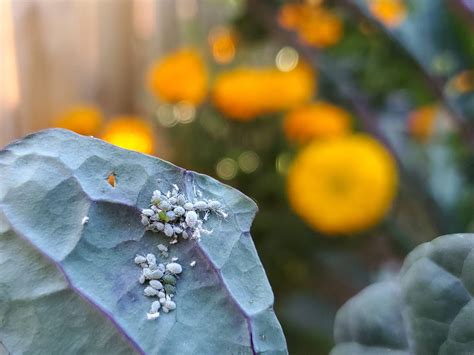
Aphids are a common scourge for any gardener, but when they attack your organic edibles, chemical solutions are off-limits. Fortunately, a host of natural and effective strategies can help you protect your harvest without resorting to harmful pesticides.
Understanding the Enemy: What Are Aphids?
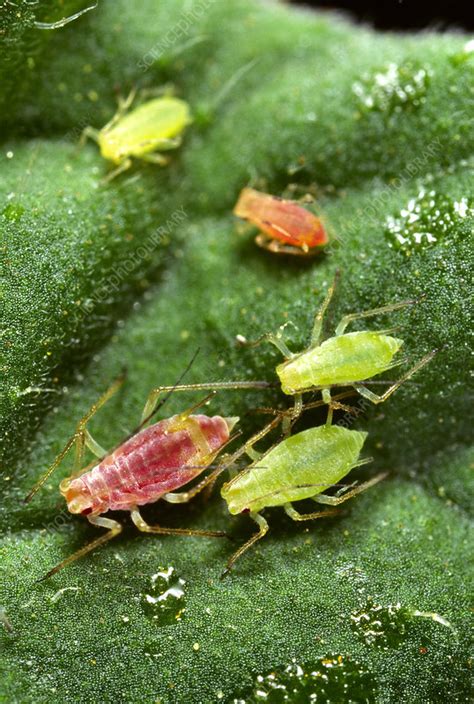
These small, soft-bodied insects come in various colors—green, black, yellow, pink—and typically cluster on the undersides of leaves, new growth, and flower buds. They feed by sucking sap from plants, leading to stunted growth, curled leaves, yellowing, and even death in severe infestations. Aphids also excrete a sticky substance called honeydew, which can lead to sooty mold growth, further hindering photosynthesis. Their rapid reproductive cycle means a small problem can quickly become an overwhelming infestation.
Prevention is Key: Building a Resilient Garden
The best defense against aphids is a strong offense, meaning a healthy, diverse garden that naturally deters pests and encourages their predators.
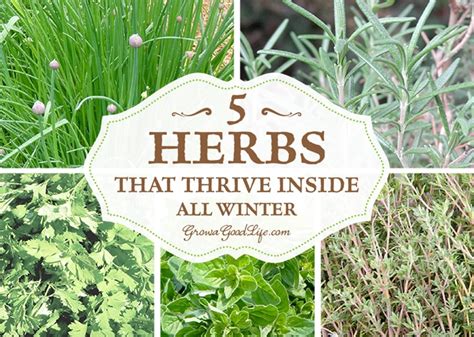
- Companion Planting: Strategically plant certain herbs and flowers near your edibles. Nasturtiums and calendula can act as ‘trap crops,’ attracting aphids away from your desired plants. Herbs like garlic, chives, mint, and catnip are thought to repel aphids.
- Maintain Plant Health: Healthy plants are more resistant to pest attacks. Ensure your plants receive adequate water, nutrients, and sunlight. Avoid over-fertilizing with high-nitrogen fertilizers, which can produce tender new growth that aphids love.
- Garden Hygiene: Regularly remove weeds, which can harbor aphids and other pests. Inspect your plants frequently, especially new growth, to catch infestations early.
Direct Intervention: When Aphids Appear
Even with the best preventative measures, aphids can sometimes appear. Here are effective organic methods for direct control:
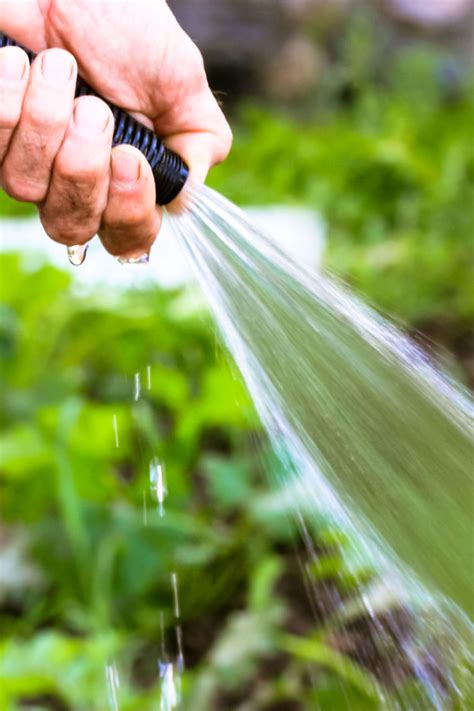
- Hose Them Off: For a quick and easy solution, a strong spray of water from a hose can dislodge aphids from your plants. Repeat every few days until the infestation is under control. Focus on the undersides of leaves.
- Hand-Picking/Wiping: For smaller infestations or particularly valuable plants, you can gently wipe aphids off leaves with your fingers or a damp cloth.
- Insecticidal Soaps: Commercial organic insecticidal soaps are highly effective. They work by breaking down the insect’s protective outer layer, causing dehydration. Mix according to package directions and apply thoroughly, ensuring coverage of the undersides of leaves. Make sure to choose a product safe for edibles and test on a small area first.
Harnessing Nature’s Predators: Beneficial Insects
One of the most powerful natural pest control methods in an organic garden is encouraging beneficial insects that prey on aphids.
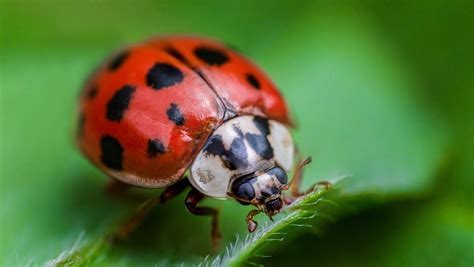
- Ladybugs: Both adult ladybugs and their larvae are voracious aphid eaters. A single ladybug larva can consume hundreds of aphids before pupating.
- Lacewings: The larvae of green lacewings, often called ‘aphid lions,’ are also incredibly effective predators.
- Hoverflies: Hoverfly larvae are slug-like and feed on aphids.
To attract these helpful insects, plant a diverse range of flowers, especially those with small, open blooms like dill, cilantro, sweet alyssum, and marigolds, which provide nectar and pollen for adult beneficials.
Other Organic Solutions and Considerations
Beyond the primary methods, a few other natural options can aid in aphid control:
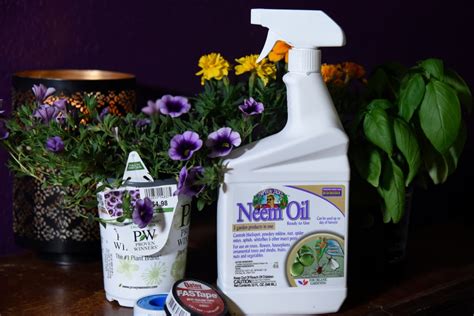
- Neem Oil: Derived from the neem tree, neem oil acts as an antifeedant, repellent, and insect growth regulator. While effective, use with caution on edibles close to harvest, as it can leave a residue or alter flavor. Always follow dilution instructions carefully and apply in the evening to avoid harming beneficial insects.
- Yellow Sticky Traps: These non-toxic traps can help monitor and reduce aphid populations by catching winged adults. Place them strategically near affected plants.
- Row Covers: For susceptible young plants, fine mesh row covers can physically prevent aphids from landing on and infesting your edibles. Ensure the covers are well-secured and removed for pollination if applicable.
Conclusion: An Integrated Approach for a Thriving Organic Garden
Effectively managing aphids on your organic garden edibles requires a multi-pronged, integrated pest management approach. By combining preventative measures like companion planting and promoting plant health with direct interventions such as hosing off and insecticidal soaps, and most importantly, encouraging beneficial insects, you can create a balanced ecosystem. Regular monitoring and patience are crucial. With these natural strategies, you can protect your delicious harvest and enjoy a thriving, chemical-free garden.