




Natural pest control for organic vegetable gardens?

Embracing Nature’s Defenses in Your Organic Garden
The allure of an organic vegetable garden lies in its promise of wholesome, chemical-free produce. Yet, this commitment requires a thoughtful approach to pest management, one that works in harmony with nature rather than against it. Instead of reaching for harsh chemicals, organic gardeners learn to identify pests, understand their life cycles, and implement strategies that deter them without harming the environment or beneficial organisms.
Effective natural pest control is a multi-faceted approach, combining prevention, observation, and intervention. It’s a continuous learning process that rewards patience and a keen eye. By building a resilient garden ecosystem, you can minimize pest damage and enjoy abundant, healthy harvests.

Prevention: The First Line of Defense
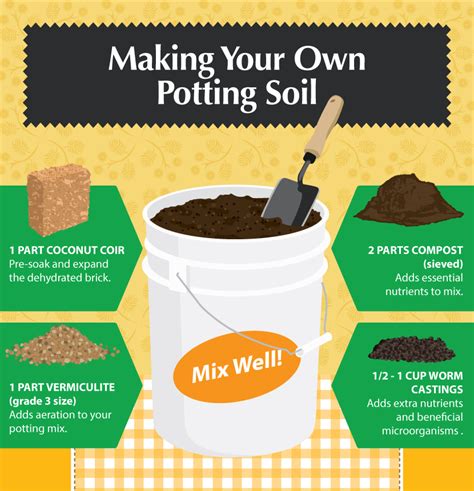
The smartest strategy in organic pest control is prevention. A healthy garden is inherently more resistant to pests. Start with nutrient-rich, well-draining soil, as strong plants are better equipped to withstand insect attacks. Incorporate plenty of organic matter, such as compost, to improve soil structure and microbial activity.
Crop rotation is crucial. Planting the same vegetables in the same spot year after year can lead to a build-up of specific pests and diseases in the soil. Rotate your crops annually, moving plant families to different beds to break pest cycles. For example, if you grew tomatoes (solanaceae) in one bed, plant beans (legumes) there next season.
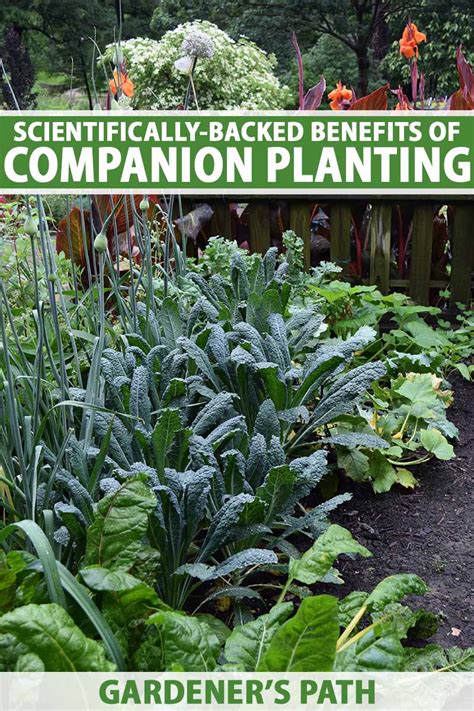
Companion planting involves placing specific plants together that benefit each other. Marigolds, for instance, are known to deter nematodes and other pests with their strong scent. Basil can repel tomato hornworms, while nasturtiums act as a trap crop for aphids, drawing them away from more valuable vegetables.
Physical Barriers and Manual Removal
Sometimes, a physical barrier is the simplest and most effective solution. Row covers made of fine mesh fabric can protect young plants from flying insects like cabbage moths, squash bugs, and cucumber beetles. Ensure the edges are securely sealed to prevent pests from crawling underneath.
Hand-picking is an age-old method that remains highly effective for larger pests. Regularly inspect your plants for slugs, snails, tomato hornworms, or potato beetles, and simply pick them off. A bucket of soapy water provides an easy disposal method. This practice is also an excellent way to monitor pest populations.
Sticky traps can be useful for monitoring and controlling flying insects like whiteflies, thrips, and fungus gnats. Yellow sticky traps are particularly attractive to many common garden pests. Place them near affected plants, but be mindful that they can also catch beneficial insects.

Harnessing the Power of Beneficial Insects
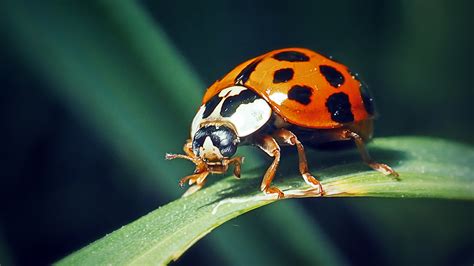
Not all insects are pests; many are vital allies in the organic garden. Beneficial insects like ladybugs, lacewings, and predatory wasps feast on aphids, mites, and other destructive pests. Encourage these natural predators by planting diverse flowers that provide nectar and pollen, such as dill, cilantro, cosmos, and sunflowers.
Avoid broad-spectrum pesticides, even organic ones, if possible, as they can harm beneficial insects. Create habitats for them by leaving some wild areas or brush piles, offering shelter and overwintering spots.
Natural Sprays and Organic Solutions
For more persistent infestations, several natural sprays can offer targeted control without resorting to harsh chemicals.
Neem oil is a popular organic choice, derived from the neem tree. It acts as an insect growth regulator and antifeedant for a wide range of pests, including aphids, spider mites, and whiteflies. Always follow dilution instructions and apply during cooler parts of the day to avoid leaf burn.
Insecticidal soap is effective against soft-bodied insects like aphids, mealybugs, and spider mites. It works by breaking down their protective outer layer. You can make your own by mixing a mild liquid soap (like Castile soap) with water, but commercially prepared insecticidal soaps are formulated to be safe for plants.
Garlic and chili pepper sprays can deter a variety of pests due to their strong odors and irritating properties. Blend garlic cloves or chili peppers with water, strain, and spray. Always test on a small part of the plant first to ensure it doesn’t cause damage.

A Holistic Approach to a Thriving Garden
Mastering natural pest control for your organic vegetable garden is an ongoing journey of observation, learning, and adaptation. By prioritizing soil health, practicing preventative measures, encouraging beneficial insects, and utilizing natural remedies judiciously, you create a resilient ecosystem that supports healthy plant growth.
Remember, the goal isn’t to eradicate every single insect, but to maintain a balance where pests don’t overwhelm your crops. Embrace the diverse life in your garden, and you’ll be rewarded with a vibrant, productive, and truly organic harvest.