



Natural pest control for organic veggie gardens: what works best?
Embracing Nature’s Solutions for a Thriving Garden
Cultivating an organic vegetable garden is a rewarding endeavor, offering fresh, chemical-free produce right from your backyard. However, the joy of a flourishing garden can quickly turn to frustration when pests decide to call your plants home. The challenge for organic gardeners is to manage these unwelcome guests without resorting to synthetic pesticides that harm the environment, beneficial insects, and ultimately, your harvest. The good news is that nature provides a myriad of effective and sustainable solutions. This article explores what works best in natural pest control for organic veggie gardens, focusing on prevention, cultural practices, biological controls, and organic treatments.
The Foundation: Prevention is Key
The most effective pest control begins long before an infestation takes hold. A healthy garden ecosystem is inherently more resilient to pests. This starts with healthy soil, rich in organic matter, which promotes strong plant growth and better resistance to disease and insects. Choosing pest-resistant plant varieties and ensuring proper spacing allows for good air circulation, reducing fungal issues and making it harder for pests to spread.
Cultural Practices for Pest Resilience
Crop Rotation: Rotating your crops annually prevents pests specific to certain plant families from building up in the soil. For instance, if you grew tomatoes in one bed this year, plant beans or leafy greens there next year.
Companion Planting: Strategically planting certain species together can deter pests or attract beneficial insects. Marigolds, for example, are known to repel nematodes and other common garden pests, while nasturtiums can act as a trap crop, luring aphids away from your prized vegetables.
Garden Hygiene: Regularly removing weeds eliminates alternative hosts for pests and diseases. Clearing fallen leaves and plant debris reduces hiding spots for slugs, snails, and other overwintering pests. Pruning affected leaves promptly can also stop an infestation in its tracks.

Physical Barriers: A First Line of Defense
Sometimes, the simplest solutions are the most effective. Physical barriers can prevent pests from ever reaching your plants.
Row Covers: Lightweight floating row covers can protect young seedlings from a wide range of flying insects, including cabbage moths, squash bugs, and flea beetles. Just ensure they are removed during flowering if the crop requires pollination.
Netting: Taller netting can protect fruit trees and berry bushes from birds and larger animals. Fine mesh netting can also be used to cover individual plants prone to specific pests.
Copper Tape and Diatomaceous Earth: These can create barriers against slugs and snails, which dislike crawling over the abrasive texture of diatomaceous earth or the slight electrical charge of copper tape.
Beneficial Insects: Nature’s Own Pest Controllers
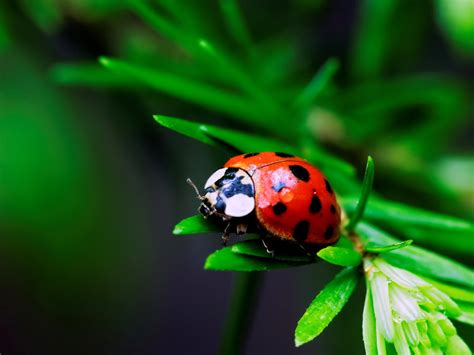
Harnessing the power of beneficial insects is a cornerstone of organic pest control. These natural predators and parasites feed on or lay their eggs inside common garden pests.
Attracting Beneficials: Plant a diverse array of flowers that provide nectar and pollen, such as dill, cilantro, cosmos, and sunflowers. These act as ‘insectary’ plants, attracting ladybugs, lacewings, hoverflies, and parasitic wasps, all of which are formidable pest destroyers.
Buying Beneficials: For immediate control of a specific problem, you can purchase beneficial insects like ladybugs or praying mantises and release them into your garden. Ensure you release them in the evening or on an overcast day and provide a water source.
Homemade & Organic Sprays: Targeted Treatments
When an infestation occurs, organic sprays can provide targeted relief without harming the broader ecosystem, provided they are used judiciously and at the right time.
Neem Oil: Derived from the neem tree, this oil is a powerful botanical insecticide, fungicide, and miticide. It works as an antifeedant, growth disruptor, and repellent. Apply according to package directions, typically during cooler parts of the day to avoid leaf burn and protect pollinators.
Insecticidal Soap: A simple mixture of mild liquid soap and water (ensure it doesn’t contain degreasers or other additives) can effectively suffocate soft-bodied insects like aphids, whiteflies, and spider mites. It must make direct contact with the pest to be effective and usually leaves no harmful residue once dry.
Garlic/Chili Pepper Sprays: Homemade concoctions using garlic or chili peppers can act as repellents. While they won’t kill pests, their strong odor or taste can deter them from munching on your plants.

Manual Removal and Trapping
Sometimes, the most hands-on approach is the best.
Hand-picking: For larger pests like tomato hornworms, slugs, or Colorado potato beetles, simply picking them off your plants by hand can be very effective. Drop them into a bucket of soapy water.
Traps: Yellow sticky traps can catch flying insects like whiteflies and fungus gnats. Beer traps effectively lure and drown slugs and snails.
Conclusion: A Holistic Approach for Thriving Gardens
Natural pest control in an organic veggie garden is not about eliminating every single insect; it’s about maintaining a balance. The most effective strategies involve a layered approach, combining prevention, cultural practices, encouraging beneficial insects, and using targeted organic treatments only when necessary. By understanding the life cycles of pests and their natural enemies, and by creating a healthy, diverse garden environment, you can enjoy abundant harvests without compromising your commitment to organic principles. Patience and observation are your best tools, allowing you to react intelligently and sustainably to whatever challenges your garden may present.