




Natural pest control for organic veggie gardens without chemicals?
Embracing a Chemical-Free Philosophy
Organic gardening champions vibrant produce without synthetic inputs, and this extends directly to pest management. Instead of reaching for harmful chemicals, we embrace a holistic approach that nurtures the garden’s natural defenses. This not only protects your family and the environment but also fosters a resilient and thriving ecosystem where your vegetables can flourish naturally.
Building a Resilient Garden from the Ground Up
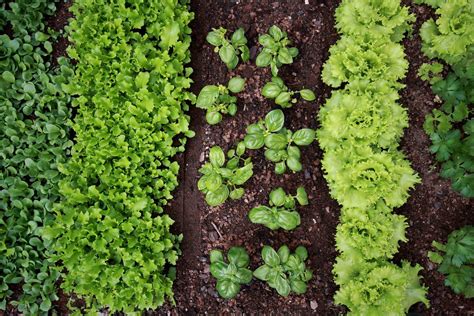
The first line of defense against pests is a healthy garden itself. Strong, well-nourished plants are far more resistant to infestations. Focus on improving your soil health with compost and organic matter, ensuring proper drainage, and providing adequate sunlight and water. Choosing the right plant varieties suited to your local climate and known for pest resistance can also significantly reduce future problems.
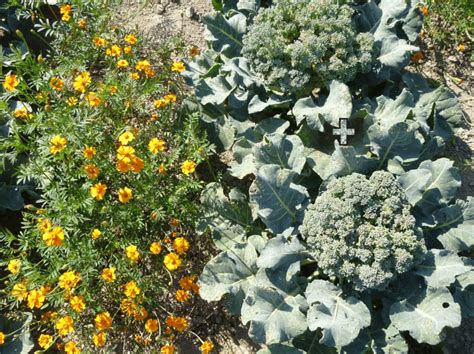
Companion planting is another ancient technique where certain plants deter pests from their neighbors, or attract beneficial insects. For instance, marigolds are known to repel nematodes and other harmful insects, while nasturtiums can act as a trap crop for aphids, diverting them from your valuable vegetables.
Physical Barriers and Manual Interventions
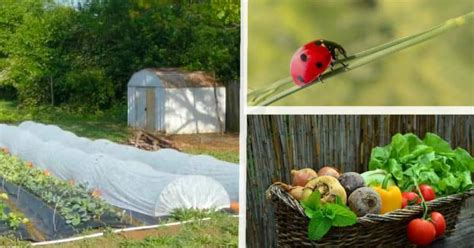
Sometimes, the simplest solutions are the most effective. Physical barriers can prevent pests from even reaching your plants. Row covers, made of lightweight fabric, can protect seedlings and young plants from flying insects like cabbage worms and squash borers, while still allowing light and water through. Netting can be used for larger plants or fruit trees to deter birds and larger pests.
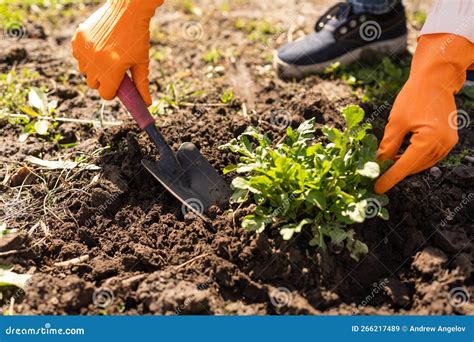
Don’t underestimate the power of regular garden inspection and manual removal. A daily walk through your garden allows you to spot pests early. Hand-picking larger insects like tomato hornworms or squash bugs, and knocking aphids off with a strong stream of water, can prevent small problems from escalating into major infestations.
Harnessing Nature’s Pest Control: Beneficial Insects
Welcome allies into your garden! Beneficial insects are nature’s own pest control army. Ladybugs devour aphids, lacewings feast on various soft-bodied insects, and parasitic wasps target caterpillars. To attract these helpful creatures, plant a diverse range of flowers, especially those with small blooms like dill, fennel, and cosmos. Avoid using broad-spectrum pesticides, even organic ones, as they can harm beneficial insects just as easily as pests. Providing a shallow water source can also encourage them to stay.

Organic Sprays and Home Remedies
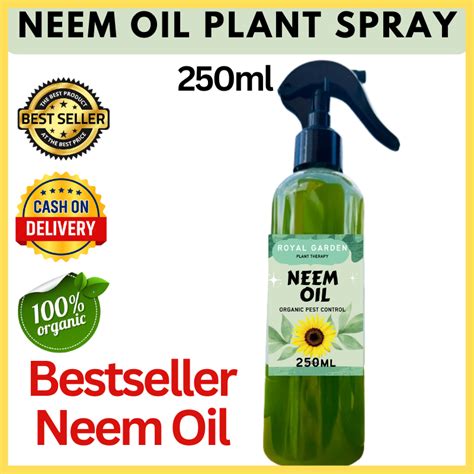
When prevention and beneficial insects aren’t quite enough, there are several organic sprays you can turn to. Neem oil, derived from the neem tree, is a popular choice that acts as an antifeedant, repellent, and growth disruptor for many pests without harming beneficial insects or pollinators when used correctly. Insecticidal soap sprays are effective against soft-bodied insects like aphids, mites, and whiteflies by dissolving their protective outer layer. You can also make simple homemade sprays using garlic or chili peppers, which act as repellents. Always test any spray on a small section of a plant first to ensure it doesn’t cause damage.
Sustainable Practices for Long-Term Health
Beyond immediate solutions, long-term sustainable practices are crucial for a truly chemical-free garden. Practice crop rotation to confuse pests and break their life cycles; planting the same crop in the same spot year after year can lead to a build-up of specific pests and diseases. Good garden hygiene, such as removing diseased plant material and fallen debris, eliminates hiding spots and breeding grounds for pests. By integrating these natural methods, you create a vibrant, balanced ecosystem where your organic vegetables can thrive, naturally protected from unwanted invaders, ensuring a healthy and productive harvest for years to come.