

Natural pest control methods for a thriving, real food organic vegetable garden?
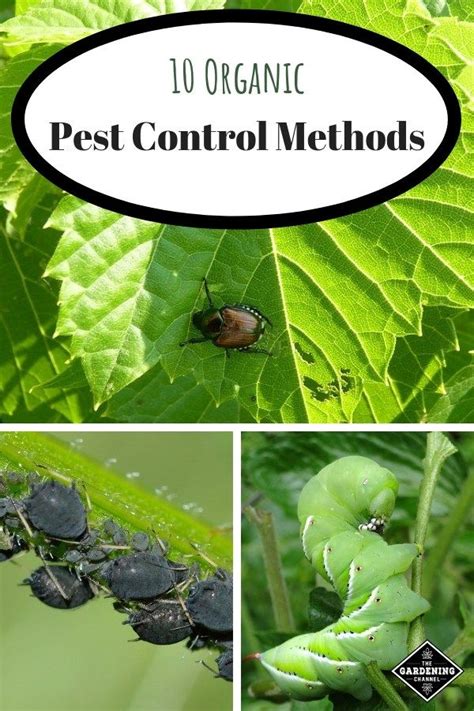
Cultivating a real food organic vegetable garden is a deeply rewarding endeavor, connecting us with nature and providing nutritious sustenance. However, the path to a bountiful harvest often involves navigating the challenge of garden pests. Fortunately, an organic approach doesn’t mean succumbing to infestations. Instead, it invites us to work with nature, employing a variety of natural, sustainable pest control methods that foster a healthy, resilient ecosystem.
Building Healthy Soil and Plant Resilience
The first line of defense against pests is a strong, healthy plant. Plants grown in rich, living soil with adequate nutrients and water are naturally more resistant to pests and diseases. Focus on improving your soil structure and fertility through regular additions of compost, well-rotted manure, and cover crops. Healthy soil promotes robust root systems and vigorous growth, making plants less appealing or more resilient to common garden invaders.
Ensure proper plant spacing to allow for good air circulation, which can deter fungal diseases that often weaken plants and make them more susceptible to insect attacks. Water deeply and consistently, especially during dry spells, to prevent plant stress.
Companion Planting: Nature’s Bodyguards
Companion planting is an age-old technique that leverages the symbiotic relationships between different plant species. Certain plants can deter pests, attract beneficial insects, or improve the growth of nearby vegetables. For example, marigolds are well-known for repelling nematodes and other soil pests with their roots and above-ground parts, making them excellent companions for tomatoes and other susceptible crops.
Nasturtiums can act as a trap crop, drawing aphids away from more valuable vegetables. Herbs like basil, rosemary, and mint can deter a variety of pests, from flies to slugs. Planting these beneficial companions throughout your garden creates a diverse environment that confuses pests and makes it harder for them to establish a foothold.
Welcoming Beneficial Insects
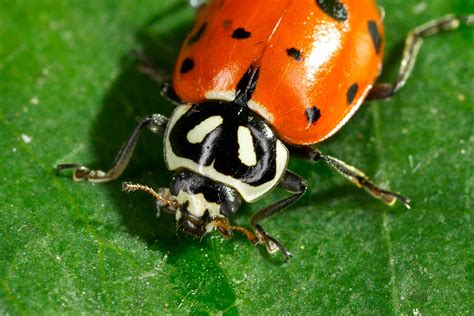
Not all insects are foes; many are vital allies in the organic garden. Beneficial insects, such as ladybugs, lacewings, predatory wasps, and hoverflies, feast on common garden pests like aphids, mites, and caterpillars. Creating a welcoming habitat for these helpful predators is a cornerstone of natural pest control.
Plant a diversity of flowering plants, especially those with small, open flowers like dill, fennel, cilantro, and cosmos, which provide nectar and pollen for beneficial insects. Avoid using broad-spectrum pesticides, even organic ones, as they can harm beneficial populations. Provide shallow water sources and areas of undisturbed ground to encourage them to stay and reproduce in your garden.
Manual Removal and Physical Barriers
Sometimes, the simplest methods are the most effective. Regular scouting of your garden for pests allows for early intervention. Hand-picking larger pests like tomato hornworms or slugs can significantly reduce their numbers. A bucket of soapy water is a quick way to dispatch them once removed from your plants.
Physical barriers offer an excellent non-toxic solution. Row covers, made of lightweight netting or fabric, can protect young seedlings and vulnerable crops from flying insects like cabbage moths and squash bugs while allowing sunlight and water through. Copper tape around raised beds can deter slugs and snails. Fencing or netting can keep out larger animal pests like rabbits and deer.

DIY Organic Sprays and Solutions
When an infestation requires a bit more intervention, several homemade organic sprays can provide targeted relief without harming the ecosystem. Neem oil, derived from the neem tree, acts as an insect growth regulator and repellent for a wide range of pests. A simple soap spray (using mild liquid soap and water) can suffocate soft-bodied insects like aphids and spider mites.
Garlic or chili pepper sprays can deter pests with their strong odors and irritating properties. Always test any homemade spray on a small portion of a plant first to ensure it doesn’t cause damage, and apply in the early morning or late evening to avoid burning foliage and to protect beneficial nighttime pollinators.
Embracing a Holistic Approach
Successful natural pest control in an organic vegetable garden isn’t about eradicating every single insect; it’s about creating balance. By focusing on soil health, plant diversity, beneficial insect habitats, and mindful intervention, you foster a resilient garden ecosystem. This holistic approach ensures your garden not only thrives but also consistently provides the real food bounty you’ve worked so hard to cultivate, all while living in harmony with nature.