Natural remedies for common garden pests in organic vegetable plots?

Cultivating an organic vegetable garden is a rewarding endeavor, yielding fresh, healthy produce free from synthetic pesticides. However, the absence of chemical defenses means gardeners must embrace nature’s solutions to tackle common garden pests. Protecting your precious plants from invaders requires a keen understanding of their habits and a toolkit of eco-friendly remedies. This article delves into practical, natural strategies to keep your organic vegetable plot thriving.
Why Choose Natural Pest Control?
Opting for natural pest control is fundamental to maintaining the integrity of an organic garden. Chemical pesticides, while effective in the short term, can harm beneficial insects, contaminate soil and water, and pose risks to human health. Natural methods, conversely, work in harmony with the ecosystem, fostering biodiversity and long-term soil health.
By using biological, botanical, and mechanical controls, you’re not just eliminating pests; you’re building a resilient garden environment. This approach supports a balanced ecosystem where plants are healthier and more resistant to future infestations, ultimately leading to a more sustainable and productive garden.

Foundational Strategies for Pest Prevention
Prevention is always better than cure in organic gardening. A robust defense starts with creating an environment that naturally deters pests and encourages their predators. Healthy soil, rich in organic matter, supports strong plants that are naturally more resistant to pest attacks.
Companion planting is a time-honored technique where specific plants are grown together to repel pests or attract beneficial insects. For instance, marigolds deter nematodes and other pests, while nasturtiums can act as a trap crop for aphids. Herbs like basil, mint, and rosemary also have pest-repelling properties when planted near vegetables.
Attracting beneficial insects like ladybugs, lacewings, and parasitic wasps is another cornerstone of natural pest management. These helpful predators feast on common garden pests. Provide them with a habitat by planting diverse flowering plants that offer nectar and pollen sources.

Common Pests and Their Organic Solutions
Aphids
These small, soft-bodied insects cluster on new growth, sucking sap and weakening plants. They can be green, black, or even pink.
Remedies: Spray affected plants with a strong stream of water to dislodge them. For heavier infestations, an insecticidal soap spray (a mixture of mild dish soap and water) or neem oil can be effective. Introduce ladybugs, their natural predators, to your garden.
Slugs and Snails
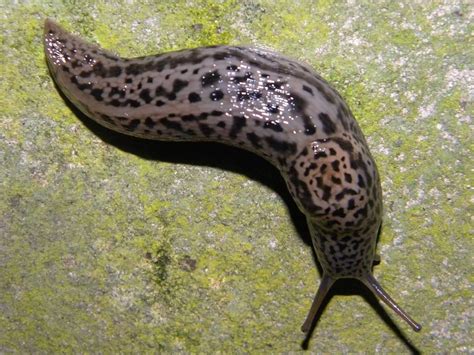
Slugs and snails leave silvery trails and chew ragged holes in leaves, especially on young seedlings. They thrive in damp conditions.
Remedies: Hand-pick them at dusk or dawn. Set beer traps (shallow dishes filled with beer) which attract and drown them. Sprinkle diatomaceous earth around plants to create a barrier that dehydrates them. Copper tape can also repel them.
Cabbage Worms and Loopers
These green caterpillars are common on brassicas (cabbage, broccoli, kale), leaving chewed holes in leaves.
Remedies: Cover susceptible plants with fine mesh row covers to prevent butterflies from laying eggs. Hand-pick caterpillars when you spot them. Bacillus thuringiensis (Bt) spray is an organic pesticide that specifically targets caterpillars and is safe for other wildlife.
Spider Mites
Tiny arachnids that cause stippling on leaves, often visible as fine webbing on the undersides. They thrive in hot, dry conditions.
Remedies: Regularly spray plants with a strong jet of water to knock them off. Use insecticidal soap or neem oil for severe infestations. Increase humidity around affected plants.

Cutworms
These plump, greyish-brown caterpillars cut down young seedlings at the soil line, especially at night.
Remedies: Protect seedlings with cardboard collars placed around the stem and pushed an inch into the soil. Sprinkle diatomaceous earth around the base of vulnerable plants.
Ongoing Maintenance and Monitoring
Regularly inspect your plants for signs of pest activity. Early detection is crucial for effective natural pest management. Remove any diseased or heavily infested plant parts promptly. Practice crop rotation to disrupt pest life cycles and prevent soil-borne diseases.
By consistently implementing these strategies and maintaining a watchful eye, you contribute to a vibrant, balanced ecosystem in your garden. Embrace the learning process, experiment with different natural remedies, and observe how your garden responds.

Conclusion
Successfully managing common garden pests in organic vegetable plots is an ongoing journey of observation, prevention, and natural intervention. By prioritizing healthy soil, fostering biodiversity, and employing targeted natural remedies, you can protect your plants from harm without resorting to synthetic chemicals. This not only ensures a healthier harvest for your table but also contributes to a more sustainable and resilient environment for all.