



Natural solutions for powdery mildew on garden squash?

Powdery mildew is a common and frustrating fungal disease that can quickly spread through your garden, particularly affecting squash plants. Characterized by white, powdery spots on leaves and stems, it can hinder photosynthesis, weaken plants, and reduce yield if left unchecked. While chemical fungicides are an option, many gardeners prefer natural, organic solutions to protect their plants, their family, and the environment. Fortunately, there are several effective, non-toxic approaches to both prevent and treat powdery mildew on your beloved squash.
Identifying and Understanding Powdery Mildew
Before you can treat powdery mildew, it’s essential to identify it correctly. Look for white, dusty patches that resemble flour sprinkled on the upper and lower surfaces of leaves, stems, and sometimes even the fruit. These spots often start small and then spread, eventually covering entire leaves. The fungus thrives in warm, humid conditions, but unlike many other fungi, it doesn’t require standing water on leaves to germinate. Understanding its lifecycle is key to effective management.

Prevention: Your First Line of Defense
The best way to deal with powdery mildew is to prevent it from taking hold. Proactive measures can significantly reduce its incidence:
- Choose Resistant Varieties: When purchasing squash seeds or seedlings, look for varieties that are specifically bred for powdery mildew resistance.
- Ensure Good Air Circulation: Plant squash with adequate spacing to allow for airflow, which helps keep leaves dry and discourages fungal growth. Avoid overcrowding.
- Proper Watering: Water the soil directly at the base of the plant in the morning, rather than overhead. This minimizes leaf wetness and allows foliage to dry throughout the day.
- Sunlight: Squash plants generally need full sun. Ensure they receive at least 6-8 hours of direct sunlight daily, as shade can exacerbate mildew problems.
- Sanitation: Remove and destroy any infected leaves or plant debris immediately. Do not compost diseased material, as this can spread spores.

Effective Natural Treatment Solutions
1. Baking Soda Solution
A classic home remedy, baking soda (sodium bicarbonate) can alter the pH on the leaf surface, making it inhospitable for powdery mildew. Mix 1 tablespoon of baking soda with 1 teaspoon of liquid non-detergent soap (like castile soap) in 1 gallon of water. Spray this solution thoroughly on all affected plant parts, including the undersides of leaves, every 5-7 days or after rain. Test on a small area first to ensure it doesn’t harm the plant.
2. Milk Spray
Research suggests that milk can be an effective fungicide for powdery mildew. The proteins in milk, when exposed to sunlight, create free radicals that are toxic to the fungus. Mix raw or pasteurized milk (skim or whole) with water at a 1:10 ratio (1 part milk to 10 parts water). Spray weekly on sunny days for best results. This method is particularly effective as a preventative measure and in the early stages of infection.

3. Neem Oil
Neem oil is an organic insecticide and fungicide derived from the neem tree. It works by disrupting the fungus’s life cycle. Mix according to product instructions (typically 1-2 tablespoons per gallon of water) with a few drops of mild soap as an emulsifier. Spray every 7-14 days, ensuring complete coverage. Neem oil is most effective when applied in the evening to avoid burning leaves in direct sunlight and to protect beneficial insects.
4. Pruning and Airflow
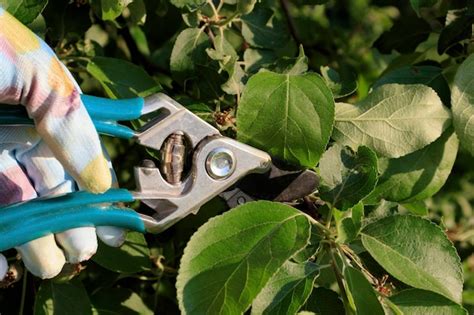
Physically removing affected leaves can stop the spread, especially if the infection is localized. Use clean pruners to snip off diseased foliage. Additionally, prune lower leaves that don’t get much sun or airflow to improve overall ventilation within the plant canopy. This not only removes infected material but also reduces humidity around the remaining leaves.
Ongoing Management and Monitoring
Consistency is key when using natural solutions. Continue to monitor your squash plants regularly for any signs of powdery mildew, especially during periods of warm, humid weather. Rotate your natural treatments if one seems less effective over time. Always apply sprays in the early morning or late evening to prevent leaf burn and maximize efficacy.
Conclusion
Dealing with powdery mildew on your garden squash doesn’t have to involve harsh chemicals. By implementing good cultural practices, regularly monitoring your plants, and utilizing simple yet effective natural remedies like baking soda, milk, or neem oil, you can keep your squash healthy and productive. Embrace these organic solutions for a thriving, chemical-free garden and enjoy a bountiful harvest of delicious squash.