Natural ways to deter common garden pests from organic vegetables?

Embracing Nature’s Solutions for a Pest-Free Organic Garden
Cultivating an organic vegetable garden is a rewarding endeavor, yielding fresh, healthy produce free from synthetic pesticides. However, the absence of chemical defenses means gardeners must turn to nature’s ingenuity to keep common pests at bay. Protecting your precious organic vegetables requires a proactive, holistic approach that works with the ecosystem, not against it. By understanding natural cycles and employing clever strategies, you can deter unwanted invaders and foster a thriving, resilient garden.
Companion Planting: Nature’s Bodyguards
One of the oldest and most effective natural pest control methods is companion planting. Certain plants, when grown together, can deter pests or attract beneficial insects that prey on them. For instance, planting marigolds near your vegetables can repel nematodes and other harmful insects with their strong scent. Nasturtiums can act as a trap crop, luring aphids away from more desirable plants, while garlic and onions are known to deter a wide range of pests, including aphids, slugs, and cabbage loopers, due to their pungent odors.
Herbs like basil can protect tomatoes from hornworms and flies, and mint can repel aphids and ants (though it’s best to plant mint in containers as it can be invasive). Researching specific plant pairings for your garden’s needs can significantly reduce pest pressure and enhance overall plant health.

Physical Barriers and Traps
Sometimes the simplest solutions are the most effective. Physical barriers can prevent pests from even reaching your plants. Row covers made of fine mesh netting can protect young seedlings and vulnerable crops from flying insects like cabbage moths, squash bugs, and cucumber beetles. Ensure the edges are securely weighed down or buried to prevent pests from crawling underneath. For larger plants, individual netting or fabric covers can be used. Sticky traps, often yellow, can be effective in catching flying insects like whiteflies, gnats, and aphids without harming beneficial insects if placed strategically away from flowering plants.
Hand-picking larger pests like tomato hornworms or slugs and dropping them into a bucket of soapy water is also a time-tested, chemical-free method that works wonders, especially in smaller gardens.
Harnessing Beneficial Insects
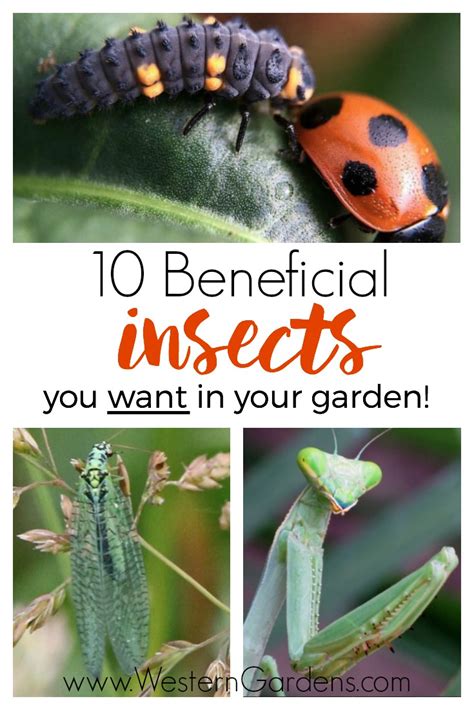
Not all insects are foes; many are allies! Encouraging beneficial insects like ladybugs, lacewings, predatory wasps, and hoverflies can turn your garden into a natural battlefield against pests. These predators feed on common garden nuisances such as aphids, spider mites, and caterpillar larvae. You can attract beneficial insects by planting flowering herbs and native plants that provide nectar and pollen, such as dill, cilantro, cosmos, and sunflowers. Avoiding broad-spectrum pesticides is crucial, as they kill beneficial insects along with the pests. Creating diverse habitats, including small areas of undisturbed soil or brush, can also help these helpers thrive.
Homemade Sprays and Garden Hygiene
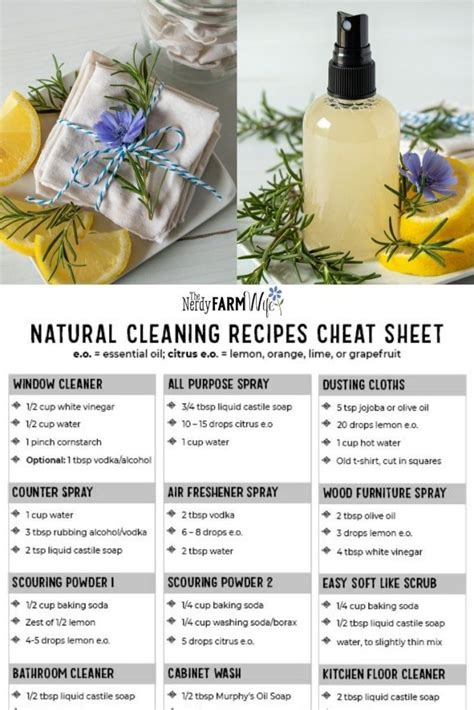
When physical barriers and beneficial insects aren’t enough, homemade organic sprays can provide an extra layer of defense. A simple garlic spray (crushed garlic steeped in water) can deter many pests. Neem oil, derived from the neem tree, is another powerful organic insecticide and fungicide that disrupts insect feeding and reproduction cycles. Diluted insecticidal soap sprays can effectively smother soft-bodied insects like aphids and spider mites without harming plants. Always test any spray on a small area first to ensure it doesn’t harm your specific plants.
Beyond sprays, maintaining good garden hygiene is paramount. Regularly remove weeds, which can harbor pests and diseases. Promptly dispose of diseased or heavily infested plant material away from the garden to prevent spread. And practice crop rotation; planting different crops in the same spot each year can break pest life cycles and prevent soil-borne diseases from building up.
A Balanced Ecosystem for Bountiful Harvests
Protecting your organic vegetables naturally is an ongoing process that encourages a balanced garden ecosystem. By combining companion planting, physical barriers, attracting beneficial insects, employing safe homemade remedies, and practicing diligent garden hygiene, you create a robust environment where your vegetables can flourish without the need for harsh chemicals. Embrace these natural strategies, and enjoy a healthier garden and more abundant, chemical-free harvests.