
Natural ways to deter deer from vegetable garden?
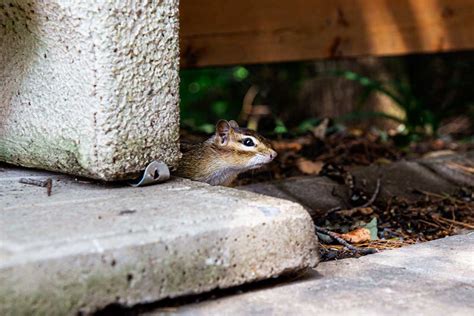
Deer can be a beautiful sight, but not when they’re feasting on your carefully cultivated vegetable garden. For gardeners seeking to protect their harvest without resorting to harsh chemicals or permanent damage to wildlife, natural deterrence methods offer sustainable and effective solutions. The key often lies in a multi-pronged approach, combining several strategies to make your garden less appealing to these hungry visitors.
Establishing Physical Barriers
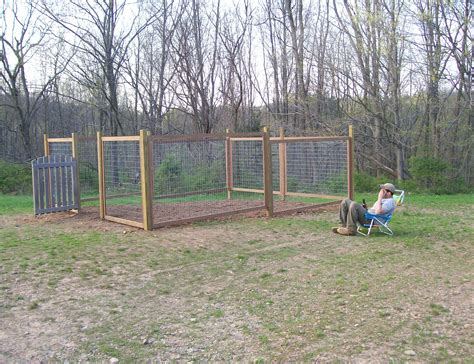
One of the most reliable ways to keep deer out is to create a physical barrier they cannot easily overcome. Fencing is a classic solution, but it needs to be tall enough to be effective. Deer can jump surprisingly high, so a fence of at least 7-8 feet is generally recommended. Options range from woven wire to electric fences, but for a natural aesthetic, consider dark netting or a sturdy wood fence.
For smaller beds or individual plants, temporary netting or cages can provide protection. These are particularly useful for young plants that are most vulnerable. Ensure the netting is securely staked into the ground to prevent deer from nudging their way underneath.
Utilizing Scent and Taste Repellents
Deer have a keen sense of smell and distinct taste preferences. You can leverage this by introducing scents and tastes they find offensive into your garden environment. Many homemade remedies use common household items:
- Rotten Egg Spray: Mix two eggs with a cup of water, blend, and strain. Dilute with more water and spray on plants. The sulfurous smell deters deer as it dries.
- Garlic and Chili Spray: A potent mix of crushed garlic and hot pepper (cayenne or chili powder) steeped in water can create a spray that offends both their sense of smell and taste.
- Bar Soap: Hang bars of strong-smelling soap (like Irish Spring) from stakes or branches around your garden. The strong scent can deter deer.
- Human Hair or Pet Fur: Collect hair from your own comb or fur from your dog and place it in mesh bags around the garden. The unfamiliar human or predator scent can make deer uneasy.
Remember to reapply sprays after rain or every few weeks to maintain effectiveness.
Strategic Planting: Deer-Resistant Options
While no plant is entirely deer-proof if they are hungry enough, some plants are less appealing to deer due to their texture, scent, or taste. Integrating these into and around your vegetable garden can act as a natural deterrent:
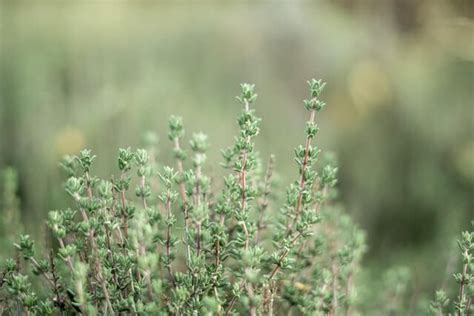
- Strong-Scented Herbs: Herbs like rosemary, thyme, sage, lavender, and mint are often ignored by deer. Planting a border of these around your vegetables can create a fragrant barrier.
- Fuzzy or Thorny Plants: Deer tend to avoid plants with fuzzy leaves (e.g., lamb’s ear) or thorny stems.
- Ornamentals Deer Dislike: Certain flowers like marigolds, daffodils, and poppies are generally deer-resistant and can add beauty while deterring pests.
- Onions and Garlic: Planting alliums within your vegetable beds can also help deter deer with their strong odors.
Implementing Scare Tactics
Deer are naturally skittish, and sudden movements or loud noises can often send them running. Incorporating scare tactics, especially those that activate unpredictably, can be effective:
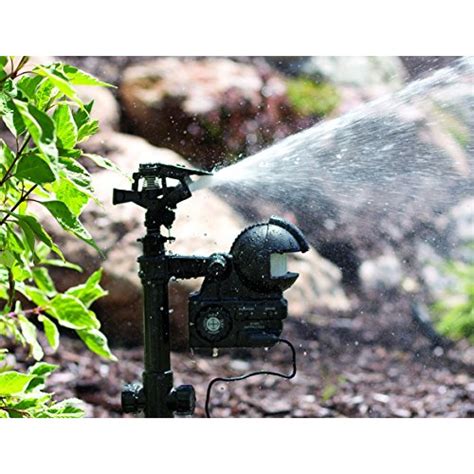
- Motion-Activated Sprinklers: These devices connect to your garden hose and release a burst of water when motion is detected, startling deer and drenching them.
- Noise Makers: Wind chimes, radios, or even pie plates strung together can create unexpected sounds. Varying the type of noise helps prevent deer from getting accustomed to it.
- Visual Deterrents: Shiny objects like old CDs, aluminum foil strips, or reflective tape can flash in the sun, creating an unsettling visual for deer. Placing predator decoys (owls, coyotes) that are moved frequently can also work, as long as they don’t become too familiar.
Maintaining Your Garden Environment
Beyond direct deterrence, managing your garden’s surroundings can also play a role. Remove any fallen fruits or vegetables that might attract deer to your property. Keep weeds and tall grass around your garden trimmed to eliminate potential hiding spots or easy access routes. If you have other plants deer particularly love outside your vegetable patch, consider moving them or providing alternative food sources further away to divert their attention.
Protecting your vegetable garden from deer naturally requires a bit of observation, persistence, and often a combination of methods. By understanding deer behavior and utilizing these humane strategies, you can enjoy a bountiful harvest without harming wildlife.