Natural ways to deter deer from vegetable gardens & fruit trees?

Protecting Your Garden from Pesky Deer
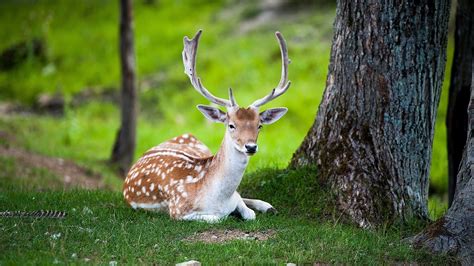
Few things are as disheartening for a gardener as waking up to find tender sprouts munched to nubs or ripe fruit trees stripped bare. Deer, while beautiful creatures, can be a formidable foe to even the most seasoned gardener. Their appetites are vast, and their ability to navigate landscapes makes traditional deterrence challenging. Fortunately, there are numerous natural, humane, and effective methods you can employ to keep these browsing visitors out of your cherished vegetable patches and fruit orchards.
Opting for natural deterrence methods not only safeguards your harvest but also protects the local ecosystem, beneficial insects, pets, and your family from harmful chemical residues. By understanding deer behavior and implementing a multi-pronged approach, you can create a garden environment that is unappealing to them.
The Power of Physical Barriers
When it comes to deterring deer, physical barriers are often the most reliable method. A well-constructed fence can provide an almost impenetrable defense. For most deer, a fence needs to be at least 7 to 8 feet tall, as they are capable jumpers. However, even a shorter, double-layered fence (two fences spaced about 3-4 feet apart, each 4-5 feet tall) can confuse their jumping trajectory and deter them.
Consider using woven wire, electric fencing, or sturdy netting specifically designed for deer. For individual plants or smaller beds, cages made from chicken wire or hardware cloth can protect young plants until they are more established. Netting can also be draped over fruit trees, especially during fruiting season, to prevent browsing and protect ripe produce.

Scent and Taste Repellents
Deer have a highly developed sense of smell and taste, which can be exploited to your advantage. Many natural repellents work by creating an odor or taste that deer find unpleasant. Common ingredients for homemade sprays include rotten eggs, hot pepper, garlic, and even strong-smelling soaps. Mix these with water and a bit of horticultural oil or dish soap to help them adhere to plants, then spray liberally on foliage.
Another popular natural repellent involves hanging bars of strongly scented soap (like Irish Spring) from branches or stakes around the garden. Human hair (from local salons) or dog hair can also be scattered around the perimeter, as the scent often signals the presence of a predator. Remember to reapply liquid repellents after rain and rotate different types to prevent deer from becoming accustomed to one particular deterrent.

Planting Smart: Deer-Resistant Choices
While no plant is entirely deer-proof, some varieties are significantly less appealing to deer due to their texture, taste, or strong scent. Incorporating these into your garden design, especially around more vulnerable plants, can help create a natural barrier. Plants with fuzzy leaves, strong aromatic foliage, or milky sap are often passed over by deer.
For vegetables, consider planting herbs like rosemary, thyme, oregano, and lavender, or vegetables such as rhubarb, asparagus, and onions, which deer tend to avoid. Many ornamental flowers like daffodils, marigolds, and poppies are also deer-resistant. When it comes to fruit trees, younger trees are more vulnerable, but establishing a diverse planting strategy can reduce overall attractiveness to deer.
Scare Tactics and Sensory Deterrents
Deer are creatures of habit, but they are also easily startled. Incorporating scare tactics can disrupt their routines and make your garden seem like a less safe place to forage. Motion-activated sprinklers are highly effective, delivering a sudden burst of water that spooks deer without harming them. Reflective objects, such as old CDs or aluminum pie plates hung from branches, can also create movement and flashes of light that deter deer.
Other options include noisemakers (like wind chimes or radios playing talk radio), though deer can eventually habituate to consistent sounds. The key with scare tactics is variety and unpredictability; regularly changing the location or type of deterrent will keep deer on edge and less likely to settle into your garden.

Good Garden Hygiene and Maintenance
A well-maintained garden is less attractive to deer. Remove fallen fruit promptly from under fruit trees, as the scent of fermenting fruit can be a strong attractant. Keep weeds and tall grass mowed around the perimeter of your garden beds, as these can provide cover for deer as they approach. Trimming lower branches of fruit trees can also make it harder for deer to browse.

A Holistic Approach for Long-Term Success
No single method is 100% deer-proof, but by combining several natural deterrents, you significantly increase your chances of success. Start with physical barriers where practical, layer in scent and taste repellents, strategically plant deer-resistant varieties, and employ scare tactics. Regular monitoring and adaptation are crucial; deer behavior can change, and what works one season might need adjustment the next. With persistence and a bit of creativity, you can enjoy a thriving garden free from deer damage.