Natural ways to deter garden pests from homegrown organic vegetables?

Embracing a Pest-Free Organic Garden Naturally
Cultivating a bountiful garden of homegrown organic vegetables is a rewarding endeavor, but it often comes with the challenge of unwelcome garden pests. The good news is that you don’t need synthetic pesticides to protect your harvest. A variety of natural, organic methods can effectively deter pests, ensuring your vegetables remain healthy and chemical-free. By understanding pest behavior and implementing a few clever strategies, you can maintain a thriving ecosystem where your plants flourish.
Strategic Planting and Companion Crops
One of the most effective natural pest control methods is companion planting. This involves planting specific herbs, flowers, or vegetables near your main crops to deter pests or attract beneficial insects. Certain plants emit odors that pests dislike, while others can act as trap crops, luring pests away from your prized vegetables.
- Marigolds: Planted around tomatoes, peppers, and other vegetables, marigolds are known to repel nematodes and various other harmful insects.
- Garlic and Onions: Their strong scents can deter aphids, slugs, and Japanese beetles when planted near carrots, lettuce, or roses.
- Nasturtiums: These vibrant flowers are excellent trap crops for aphids, luring them away from your main vegetable plants.
- Herbs (Rosemary, Mint, Basil): Many herbs have strong aromas that disorient or repel pests. Rosemary can deter carrot rust fly, slugs, and snails, while basil can repel flies and mosquitoes.
Physical Barriers and Protective Measures
Sometimes, the simplest solutions are the best. Physical barriers can prevent pests from even reaching your plants in the first place, offering a proactive defense without any chemicals.
- Row Covers: Lightweight, spun-bond polyester fabrics can be draped over plants, creating a barrier against cabbage worms, squash bugs, and flea beetles, while still allowing light and water to penetrate.
- Copper Tape: For slugs and snails, copper tape around raised beds or pots creates a mild electrical charge that deters them from crossing.
- Netting: Fine netting can protect fruit-bearing plants from birds and larger insects.

Attracting Beneficial Insects
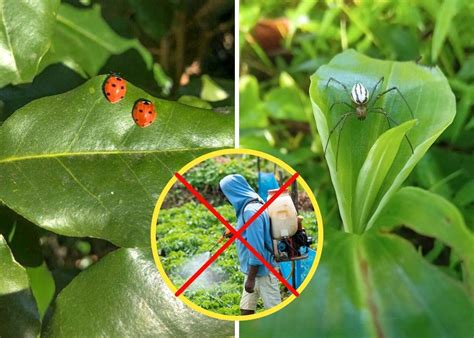
Not all insects are foes; many are allies in the garden. Encouraging beneficial insects, such as ladybugs, lacewings, and parasitic wasps, can significantly reduce pest populations as they prey on common garden nuisances like aphids, mites, and caterpillars.
- Plant Nectar-Rich Flowers: Flowers like dill, cilantro, fennel, and cosmos provide pollen and nectar for beneficial insects.
- Avoid Broad-Spectrum Pesticides: Even organic pesticides can harm beneficial insects, so use them sparingly and target specific pests.
- Provide Water: A shallow dish of water with pebbles can attract beneficial insects to your garden.
Homemade Organic Pest Sprays
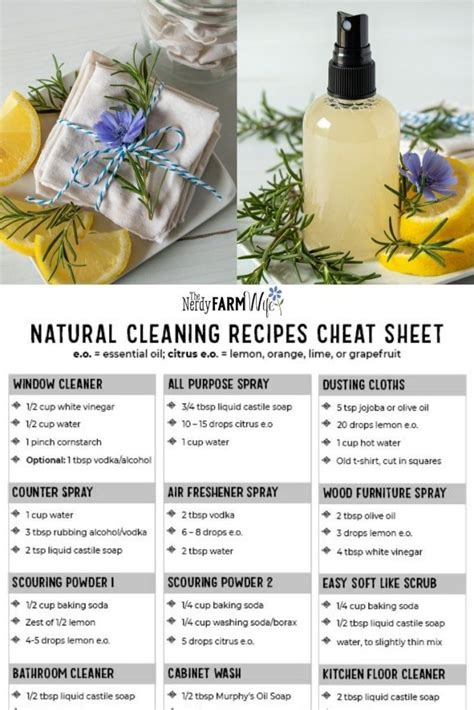
When pests become a problem despite preventative measures, targeted organic sprays can offer a gentle yet effective solution. These can often be made from common household ingredients.
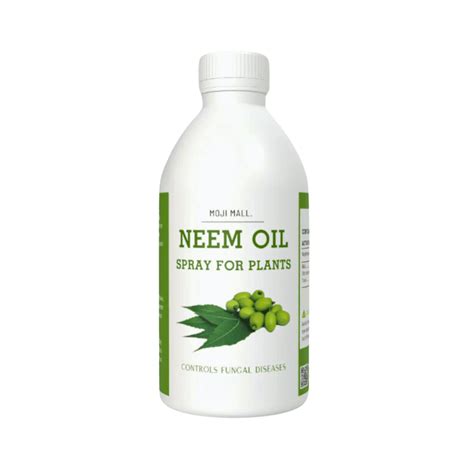
- Neem Oil Spray: Derived from the neem tree, this oil disrupts insect feeding and growth. Mix according to package directions and spray on affected plants. It’s effective against aphids, spider mites, whiteflies, and more.
- Insecticidal Soap Spray: A simple mixture of mild liquid soap and water (e.g., 1-2 tablespoons of soap per gallon of water) can smother soft-bodied insects like aphids, mealybugs, and spider mites. Always test on a small area first.
- Garlic or Pepper Spray: Blended garlic cloves or hot peppers mixed with water and a drop of soap can create a repellent spray that deters many pests due to its strong scent and irritating properties.
Good Garden Hygiene and Crop Rotation
Maintaining a clean garden and practicing crop rotation are fundamental to long-term pest management.
- Remove Weeds and Debris: Weeds can harbor pests and diseases, and plant debris provides hiding spots. Keep your garden beds tidy.
- Crop Rotation: Rotating your crops each season prevents pests specific to certain plant families from building up in the soil. For example, don’t plant tomatoes in the same spot year after year.
- Hand-picking: For larger pests like tomato hornworms or slugs, hand-picking them off plants and dropping them into a bucket of soapy water can be surprisingly effective.
- Watering Practices: Overhead watering can sometimes dislodge small pests like aphids, and healthy plants are less susceptible to pest damage.

Conclusion
Deterring garden pests from your homegrown organic vegetables doesn’t have to be a battle. By integrating these natural and holistic strategies, you create a resilient garden ecosystem that supports plant health and reduces pest pressure. Patience, observation, and a little bit of experimentation will lead you to a thriving, chemical-free harvest you can be proud of.