Natural ways to enrich garden soil for heirloom vegetable yields?

Cultivating Rich Soil for Abundant Heirloom Harvests
For gardeners passionate about heirloom vegetables, understanding and enriching the soil naturally is paramount. Heirloom varieties, with their unique flavors and often specific growth requirements, thrive best in a living, nutrient-dense soil ecosystem. Chemical fertilizers can offer quick fixes, but they often deplete soil health long-term. Natural methods, however, build a robust foundation, fostering biodiversity and sustainable fertility that translates directly into healthier plants and more flavorful, bountiful yields.

The Power of Compost: Gold for Your Garden
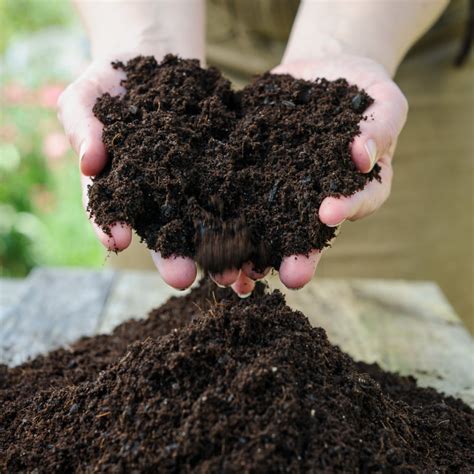
Compost is the cornerstone of any organic garden, especially when aiming for peak heirloom performance. It’s decomposed organic matter, teeming with beneficial microbes, that improves soil structure, aeration, and water retention while slowly releasing essential nutrients. You can create your own compost from kitchen scraps, yard waste, and other organic materials. A balanced mix of ‘greens’ (nitrogen-rich like food scraps, grass clippings) and ‘browns’ (carbon-rich like dry leaves, wood chips) is key to a healthy compost pile.
To use, simply work finished compost into your garden beds before planting, or top-dress around established plants. Its consistent application over time transforms tired soil into a vibrant, fertile medium.
Cover Crops: Nature’s Soil Builders
Cover crops, often called ‘green manure,’ are plants grown specifically to benefit the soil rather than for harvest. Sown in off-seasons or between main crops, they protect soil from erosion, suppress weeds, and, most importantly, add organic matter and nutrients when tilled under. Leguminous cover crops like clover, vetch, and alfalfa fix nitrogen from the air into the soil, while cereal rye or oats contribute significant biomass, improving soil structure and adding carbon.
Integrating cover crops into your rotation is a long-term strategy that pays dividends in soil health, making it easier for heirloom plants to access the nutrients they need.

Organic Amendments for Specific Needs
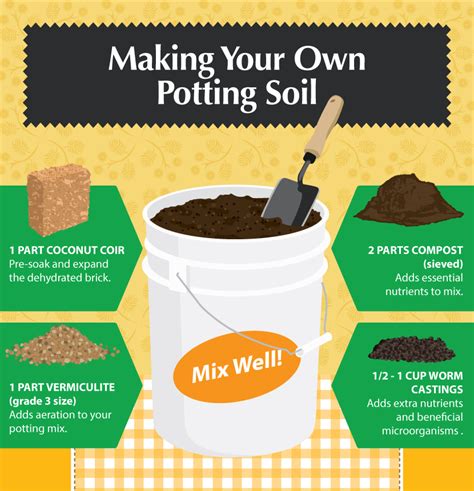
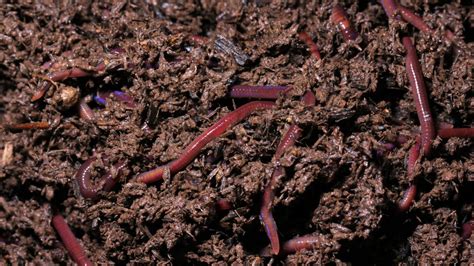
While compost provides a broad spectrum of benefits, specific organic amendments can target particular soil needs or boost nutrient levels. Aged animal manure (from chickens, cows, or horses) is a fantastic source of nitrogen and organic matter, but ensure it’s well-composted to avoid burning plants or introducing weed seeds. Worm castings are a super-food for soil, rich in microbial life and readily available nutrients.
For phosphorus, consider bone meal, and for potassium, greensand or wood ash (use sparingly and test soil pH first). Rock dusts provide a broad range of trace minerals often missing in depleted soils, contributing to overall plant vitality and disease resistance in heirloom varieties.
Mulching: Protecting and Nourishing the Surface
Mulch is a layer of organic material applied to the soil surface. It’s a simple yet incredibly effective way to enhance soil health. Mulch conserves soil moisture, regulates soil temperature, suppresses weeds, and as it breaks down, it continually adds organic matter and nutrients to the soil. Straw, shredded leaves, wood chips (for paths or around perennial beds, less so for annual vegetable beds), and grass clippings (chemical-free) are excellent choices.
A good layer of mulch creates a favorable environment for soil microbes and earthworms, which in turn improve soil structure and nutrient cycling, directly benefiting your heirloom vegetables.
Conclusion: A Living Soil for Living Legacies
Enriching your garden soil naturally is an ongoing process, a partnership with nature. By consistently applying compost, utilizing cover crops, strategic organic amendments, and mulching, you’re not just feeding your plants; you’re nurturing a vibrant, resilient soil ecosystem. This holistic approach ensures your heirloom vegetables not only survive but thrive, producing exceptional yields and preserving the rich flavors and history they carry for generations to come.