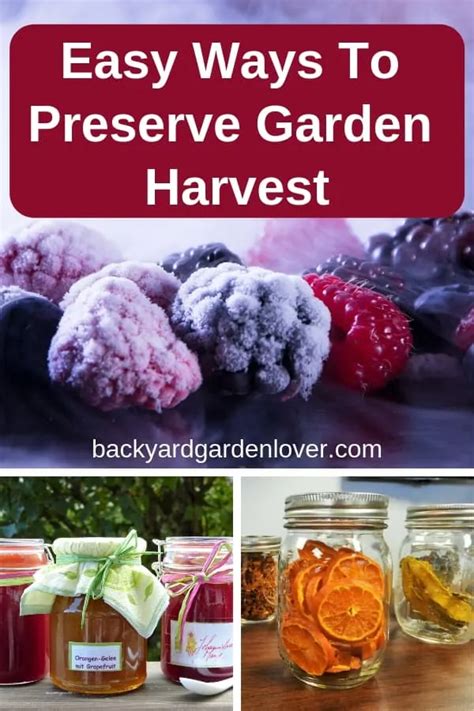
Natural ways to preserve abundant garden harvests without a large freezer?
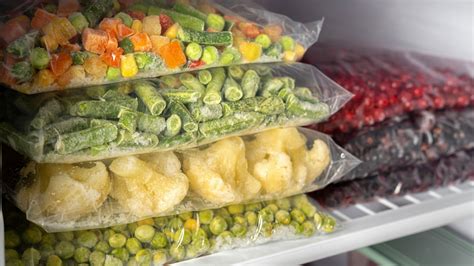
For many gardeners, the joy of a bountiful harvest quickly turns into the challenge of preservation. While a large freezer offers convenience, it’s not the only solution, nor is it always available or desired. Fortunately, time-honored, natural preservation methods exist that can help you extend the life of your produce, reduce waste, and enjoy your garden’s goodness long after the growing season ends. These techniques are often more sustainable, less energy-intensive, and connect us deeply to the traditions of self-sufficiency.
Embracing Traditional Preservation Techniques
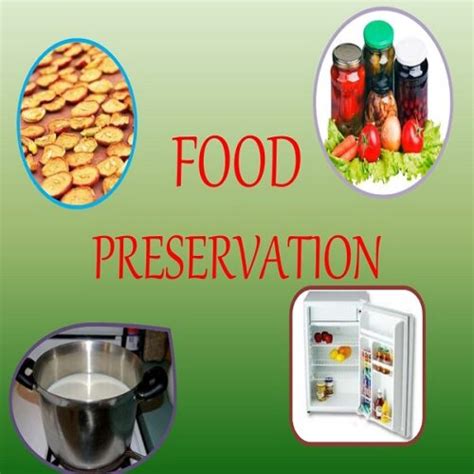
Before the advent of modern refrigeration, our ancestors relied on ingenious methods to store food through leaner months. These techniques leverage natural processes like drying, pickling, salting, and fermenting to create stable, long-lasting provisions. Re-learning these skills not only saves space and energy but also adds unique flavors and nutritional benefits to your pantry.
Canning: Sealing in Freshness
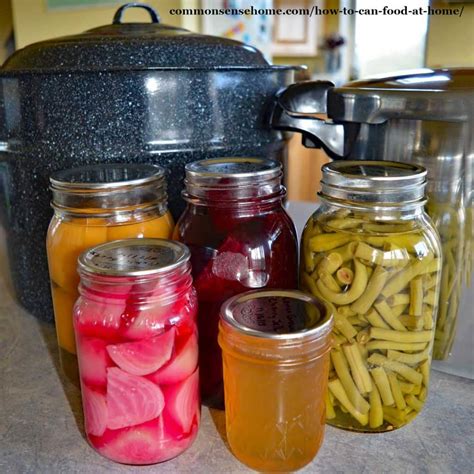
Canning involves heating food in jars to a temperature that destroys spoilage organisms and inactivates enzymes, then sealing them to create an airtight vacuum. It’s an excellent way to preserve everything from fruits and vegetables to jams and pickles.
Water Bath Canning
Ideal for high-acid foods like fruits, fruit spreads, pickles, and tomatoes (sometimes with added acid). Jars are submerged in boiling water for a specified time, creating a seal as they cool. It’s a relatively simple and accessible method for beginners.
Pressure Canning
Essential for low-acid foods such as most vegetables (beans, corn, carrots), meats, poultry, and seafood. A pressure canner reaches temperatures much higher than boiling water, which is necessary to destroy harmful bacteria like Clostridium botulinum. This method requires specific equipment and careful adherence to safety guidelines but opens up a vast array of preservation possibilities.
Dehydration: Removing Moisture, Concentrating Flavor
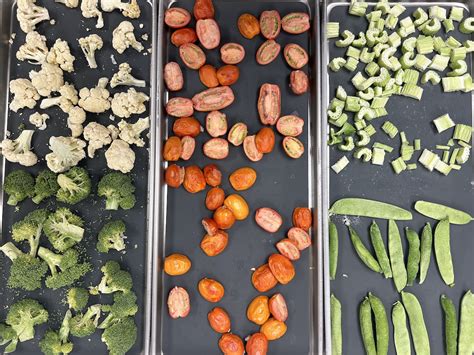
Drying is one of the oldest and simplest forms of food preservation. By removing water content, you inhibit the growth of bacteria, yeasts, and molds. Dried foods are lightweight, take up minimal storage space, and often have a more intense flavor profile.
Sun Drying
Suitable for fruits and some vegetables in hot, dry climates. Requires good air circulation and protection from pests. Foods like tomatoes, herbs, and certain fruits can be effectively sun-dried.
Air Drying
Works well for herbs, peppers, and some beans in areas with low humidity. Simply hang bundles of herbs or strings of peppers in a well-ventilated, dry space.
Using a Dehydrator
A dehydrator provides a controlled environment, making it a reliable option regardless of weather conditions. It’s perfect for fruits (apple slices, banana chips), vegetables (kale chips, zucchini), and even making your own fruit leathers.
Fermentation: The Art of Live Preservation
Fermentation uses beneficial microorganisms to transform foods, enhancing flavor, increasing digestibility, and extending shelf life. Lacto-fermentation, in particular, is an ancient technique that uses salt and anaerobic conditions to create a lactic acid-rich environment that preserves vegetables.
- Examples: Sauerkraut, kimchi, lacto-fermented pickles, fermented hot sauce.
The process involves packing vegetables with salt, submerging them in brine (their own juices or added water), and allowing them to ferment at room temperature. The resulting lactic acid acts as a natural preservative, and the foods often develop complex, tangy flavors.
Root Cellaring and Cool Storage: Nature’s Refrigerator
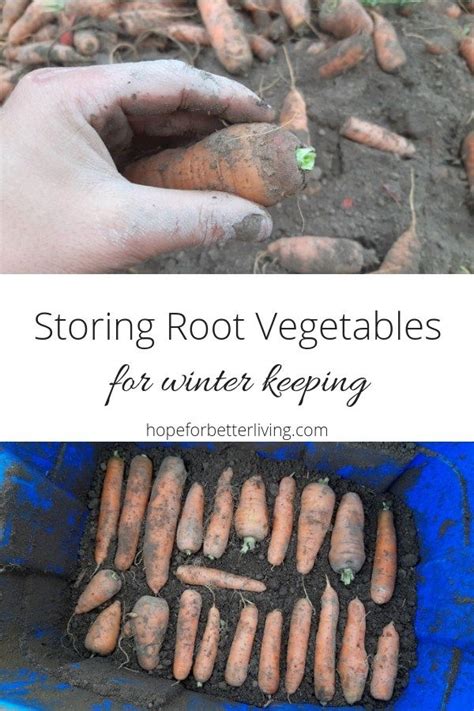
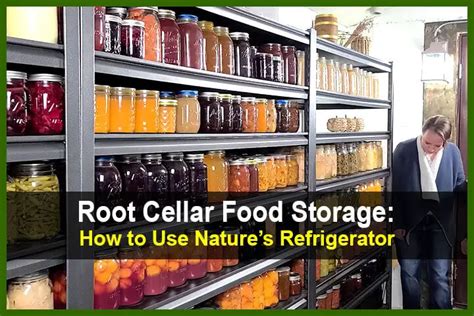
A root cellar or any cool, dark, and humid space can act as a natural, non-electric refrigerator. This method is ideal for crops that store well at low temperatures (above freezing) and high humidity, keeping them fresh for months.
- Suitable crops: Potatoes, carrots, beets, parsnips, turnips, apples, winter squash, cabbages.
- Ideal conditions: Temperatures between 35-50°F (2-10°C) and 85-95% humidity.
- Storage methods: Layering in damp sand, sawdust, or peat moss; storing in bins, crates, or on shelves.
Oil, Vinegar, and Salt: Ancient Preservatives
Preserving in Oil and Vinegar
Vinegar, being acidic, is a natural preservative, perfect for pickling various vegetables. Oil can also be used, particularly for herbs and dried tomatoes, creating flavorful infusions. However, exercise caution with fresh garlic or herbs in oil at room temperature, as it can create an anaerobic environment conducive to botulism; always refrigerate or acidify first.
Salt Curing
Salt has been used for millennia to draw out moisture and inhibit microbial growth. While commonly associated with meats, certain vegetables like beans can also be dry-salted or brined for preservation. For example, some traditions salt green beans heavily to preserve them for winter cooking.
Conclusion: A Sustainable and Flavorful Future
Preserving your garden’s bounty without a large freezer is not only possible but also incredibly rewarding. By mastering methods like canning, dehydrating, fermenting, and cool storage, you embrace a more sustainable lifestyle, reduce food waste, and ensure a pantry stocked with delicious, wholesome food year-round. Experiment with different techniques to discover what works best for your harvest and your household, connecting deeply with the enduring traditions of country living.