


Optimal root cellar storage tips for winter vegetables from a home garden?

Preserving Your Harvest: The Art of Root Cellar Storage
As the growing season winds down, a home gardener’s thoughts often turn to preserving the bountiful harvest. For many, a well-managed root cellar is the key to enjoying fresh, homegrown vegetables long after the first frost. More than just a cool, dark space, an optimal root cellar provides precise conditions to extend the life of your winter vegetables, minimizing waste and maximizing your garden’s yield.
Mastering root cellar storage requires understanding the unique needs of different vegetables and the environmental factors that influence their longevity. From proper harvesting to consistent monitoring, every step plays a crucial role in ensuring your carrots remain crisp, your potatoes sprout-free, and your squash stays firm through winter.

Understanding the Core Principles of Root Cellar Storage
The success of a root cellar hinges on four primary environmental factors: temperature, humidity, ventilation, and darkness. Striking the right balance for these elements creates an ideal microclimate for vegetable preservation.
- Temperature: Most root vegetables thrive in cool temperatures, typically between 32-50°F (0-10°C). Colder temperatures slow down respiration and ripening, while temperatures above 50°F can lead to sprouting, softening, or spoilage.
- Humidity: High humidity is essential for preventing moisture loss and wilting, especially for root crops like carrots, beets, and parsnips. Aim for 85-95% relative humidity for most items. However, some vegetables like onions and squash prefer lower humidity.
- Ventilation: Good air circulation prevents the build-up of ethylene gas (a ripening agent) and stale air, which can encourage mold and rot. Adequate ventilation helps maintain consistent temperatures and humidity throughout the space.
- Darkness: Light, especially direct sunlight, can accelerate spoilage, greening (in potatoes, making them toxic), and sprouting. A completely dark environment is crucial for optimal storage.
Prepping Your Produce for Long-Term Preservation
The journey to successful root cellar storage begins even before the vegetables enter the cellar. Proper harvesting and preparation are paramount.
- Harvest at Peak Maturity: Vegetables intended for storage should be mature but not overripe. Harvest root crops before a hard freeze, typically in late fall.
- Curing (for some crops): Winter squash, pumpkins, sweet potatoes, and garlic benefit from a curing period after harvest. Curing involves exposing them to warm (70-85°F / 21-29°C) and moderately humid conditions for 1-2 weeks. This process hardens their skins, heals minor cuts, and enhances their flavor and storage life.
- Gentle Cleaning: Brush off excess soil from root crops; do not wash them unless specifically required (and dried thoroughly). Washing can remove protective layers and introduce moisture that encourages spoilage.
- Inspect for Damage: Only store perfect, unblemished vegetables. Any cuts, bruises, or signs of disease will quickly spread rot to other stored items.
Tailoring Storage for Specific Winter Vegetables
While the general principles apply, different vegetables have specific ideal conditions within the root cellar.
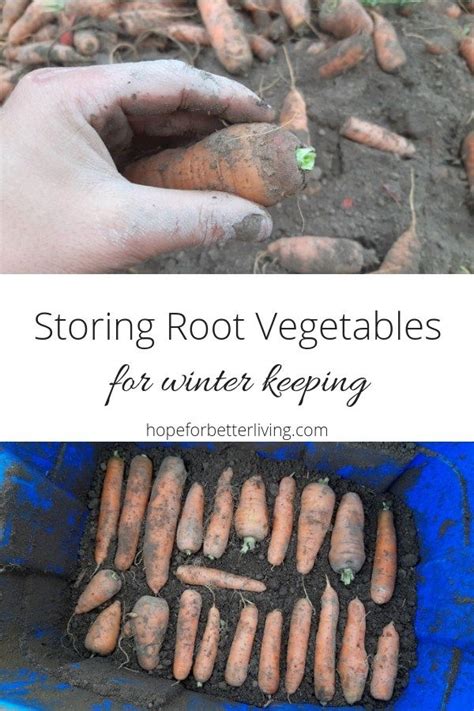
- Root Crops (Carrots, Beets, Parsnips, Turnips): These thrive in high humidity and cool temperatures (32-40°F / 0-4°C). Store them in damp sand, sawdust, or peat moss in bins to prevent wilting. Remove tops before storing.
- Potatoes: Prefer cool, dark, and humid conditions (35-40°F / 2-4°C, 85-95% RH). Store in slatted crates or breathable bags to allow air circulation. Keep them away from apples, as apples release ethylene gas which can cause potatoes to sprout.
- Onions and Garlic: Unlike root crops, these prefer cool, dry conditions with good air circulation (35-50°F / 2-10°C, 60-70% RH). Hang them in braids or store in mesh bags or shallow crates. Ensure they are fully cured before storage.
- Cabbage: Can be stored by wrapping in newspaper or plastic wrap, or by hanging whole plants upside down by their roots in a cool, humid area (32-40°F / 0-4°C).
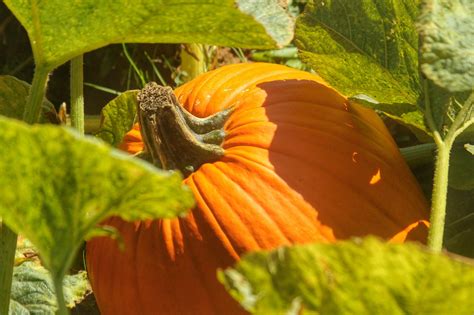
- Winter Squash & Pumpkins: After curing, store in a cooler, drier part of the cellar (50-55°F / 10-13°C, 50-70% RH). Place them in a single layer on shelves, ensuring no contact between them.
Maintenance and Troubleshooting for Lasting Freshness
A root cellar is not a set-it-and-forget-it system. Regular monitoring and maintenance are crucial for success.
- Periodic Checks: Inspect your stored produce every few weeks. Look for any signs of spoilage, mold, or pests.
- Remove Spoiled Items Immediately: One bad apple (or potato!) can indeed spoil the bunch. Remove any questionable items to prevent rot from spreading.
- Adjust Conditions: Use thermometers and hygrometers to monitor temperature and humidity. Adjust ventilation, add water to the floor (for humidity), or introduce a fan if needed to maintain optimal conditions.
- Rotate Stock: Try to use older items first, or those that show the first signs of wanting to go bad.
By diligently following these optimal storage tips, your root cellar will transform into a year-round pantry, providing a sustainable way to enjoy the fruits (and vegetables!) of your labor through the entire winter season. Embrace the age-old tradition of root cellaring and savor the taste of your homegrown bounty.