


Organic blight control for abundant country garden tomatoes?
There’s nothing quite like plucking a ripe, sun-warmed tomato from your own country garden. It’s the taste of summer, hard work, and wholesome living all rolled into one. However, the joy of a thriving tomato patch can quickly turn to despair when blight, a common fungal disease, makes its unwelcome appearance. For organic gardeners, tackling blight requires a thoughtful, holistic approach that prioritizes plant health and natural solutions over harsh chemicals. Let’s delve into how you can protect your precious tomatoes organically and ensure a season of abundant, blight-free harvests.
Understanding Tomato Blight: The Enemy Within
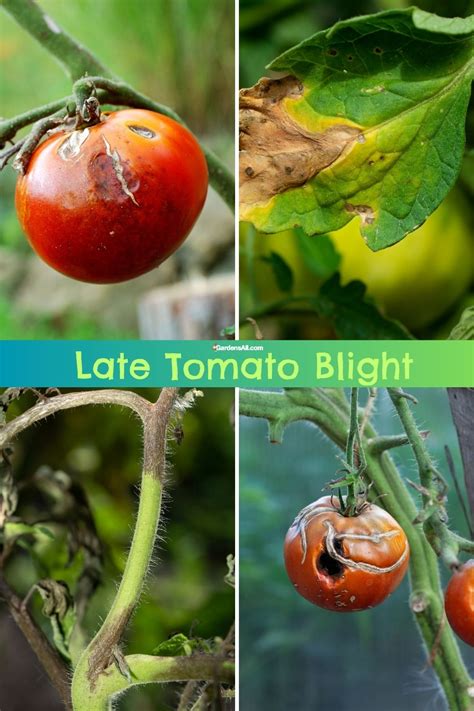
Before we can control blight, we must understand it. Blight typically refers to two main types: early blight (Alternaria solani) and late blight (Phytophthora infestans). Early blight often appears as dark, concentric spots on lower leaves, eventually causing defoliation. Late blight is far more aggressive, causing large, water-soaked lesions that quickly spread to stems and fruit, leading to rapid plant collapse.
Both thrive in cool, wet conditions and can devastate a crop if left unchecked. Spores are easily spread by wind, splashing water, or contaminated tools, making vigilance and proactive measures crucial in an organic system.
Proactive Prevention: Your First Line of Defense
The best organic blight control is prevention. A healthy plant in a healthy environment is far more resistant to disease. Start with selecting blight-resistant tomato varieties if available. Heirloom varieties, while delicious, are often more susceptible, so be extra diligent with them.
Site Selection and Spacing
Choose a garden spot with excellent air circulation and at least 6-8 hours of direct sunlight daily. Proper spacing between plants (at least 2-3 feet apart) is critical to allow air to flow freely, drying leaves and reducing the humid conditions blight loves. Avoid planting tomatoes in the same spot year after year; practice crop rotation to break the disease cycle in the soil.
Watering Wisely
Water at the base of your plants in the morning, avoiding overhead irrigation that wets the foliage. Drip irrigation or soaker hoses are ideal. This allows leaves to dry thoroughly before evening, minimizing the conditions favorable for fungal growth. Consistent watering also reduces plant stress, making them more resilient.
Soil Health and Natural Fortification
A vibrant soil microbiome is the foundation of organic gardening. Healthy soil equals healthy plants. Incorporate plenty of organic matter like well-rotted compost into your garden beds. Compost not only feeds your plants but also introduces beneficial microbes that can suppress disease-causing pathogens.
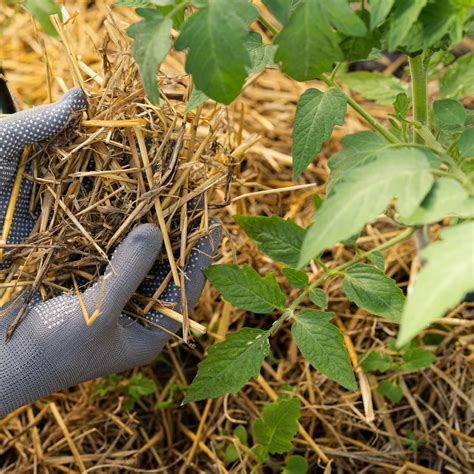
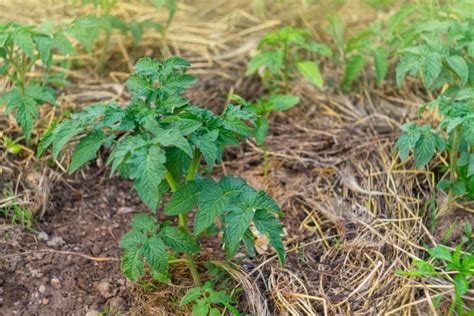
Consider mulching around your tomato plants with straw, shredded leaves, or wood chips. Mulch helps retain soil moisture, suppresses weeds, and prevents soil-borne fungal spores from splashing up onto lower leaves during watering or rain events. This physical barrier is a simple yet effective preventative measure.
Organic Treatment Options When Blight Strikes
Despite your best efforts, blight might still appear. Early detection is key to managing it organically. Regularly inspect your plants, especially after periods of wet weather.
Homemade & Commercial Sprays
- Baking Soda Spray: A simple mixture of 1 tablespoon baking soda, 1 teaspoon horticultural oil (or mild dish soap), and 1 gallon of water can alter the leaf surface pH, making it less hospitable to fungal spores. Apply every 5-7 days, especially after rain.
- Neem Oil: A natural fungicide and insecticide, neem oil can help suppress fungal growth. Follow product instructions carefully for dilution and application.
- Copper and Sulfur Sprays: These are approved for organic use, but should be used sparingly and as a last resort, as they can still impact beneficial organisms. Always follow label directions precisely.

Best Practices for Ongoing Vigilance
Throughout the growing season, a few consistent practices will significantly reduce blight risk.
Pruning and Trellising
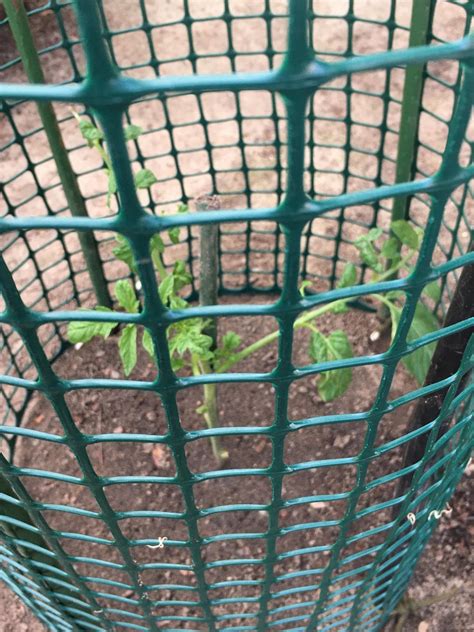
Stake or cage your tomato plants to keep them off the ground. Prune away lower leaves, especially those touching the soil, to improve air circulation and prevent soil-borne pathogens from splashing onto foliage. Remove any yellowing, diseased, or dying leaves promptly, but be sure to sanitize your pruners between cuts with rubbing alcohol to avoid spreading disease.
Garden Hygiene
At the end of the season, meticulously clean up all plant debris from your tomato patch. Blight spores can overwinter in infected plant material, ready to re-infect next year’s crop. Dispose of diseased material away from your compost pile (e.g., in the trash or by burning if local regulations allow).
Harvesting Your Blight-Free Bounty
By implementing these organic blight control strategies, you significantly increase your chances of a successful and abundant tomato harvest. The effort invested in proactive care, healthy soil, and diligent monitoring will be richly rewarded with baskets full of ripe, flavorful tomatoes – a true testament to the joys of country living and sustainable gardening.
Embrace the challenge, learn from your garden, and enjoy the satisfaction of growing your own healthy food, free from blight, the natural way.