



Organic DIY pest control for bountiful backyard vegetable gardens?
Embrace Nature: Your Guide to Chemical-Free Pest Management
Cultivating a thriving backyard vegetable garden is a rewarding endeavor, but the joy of a bountiful harvest can quickly be overshadowed by persistent pests. Before reaching for harsh chemical solutions, consider the power of organic DIY pest control. These methods not only protect your produce but also foster a healthier ecosystem in your garden, ensuring safety for your family, pets, and beneficial insects.
Going organic means working with nature, not against it. It’s about creating a balanced environment where your plants are strong enough to resist invaders, and natural predators are encouraged. Let’s delve into practical, homemade strategies that will keep your greens growing robustly.
Prevention is Key: Building a Resilient Garden
The best pest control starts before pests even become a problem. Proactive measures can significantly reduce the likelihood of infestations:
- Healthy Soil, Healthy Plants: Nutrient-rich, well-draining soil leads to stronger plants more resistant to disease and pests. Amend your soil with compost regularly.
- Companion Planting: Strategically plant certain herbs and flowers near your vegetables. Marigolds deter nematodes, basil repels flies and mosquitoes, and nasturtiums act as a trap crop for aphids.
- Crop Rotation: Avoid planting the same crop in the same spot year after year. This confuses pests and breaks their life cycles, preventing them from establishing a permanent home.
- Good Garden Hygiene: Regularly remove weeds, which can harbor pests, and dispose of diseased plant material to prevent spread. Keep the area tidy.
Homemade Sprays: Your Organic Arsenal
When pests do appear, these DIY sprays offer effective and non-toxic solutions:
1. Neem Oil Spray: A powerhouse in organic pest control, neem oil disrupts the feeding and breeding cycles of many pests, including aphids, whiteflies, and spider mites. Mix 1-2 tablespoons of cold-pressed neem oil with 1 teaspoon of mild liquid soap (as an emulsifier) per gallon of water. Spray thoroughly, ensuring coverage on both the top and underside of leaves, preferably in the evening.
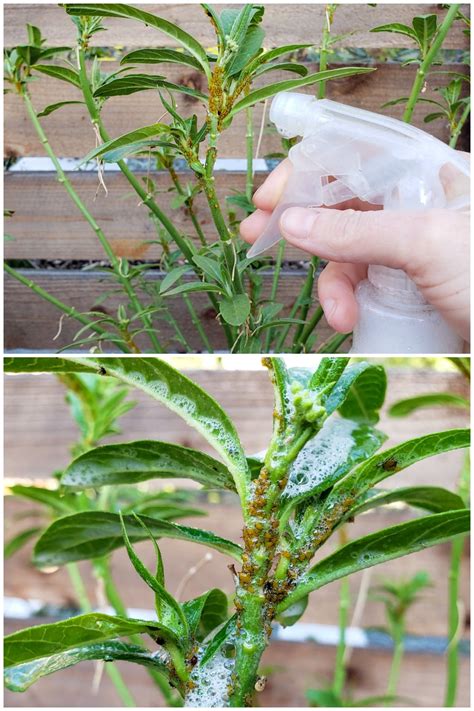
2. Insecticidal Soap Spray: Simple and effective for soft-bodied insects. Combine 1-2 tablespoons of mild liquid dish soap (avoid harsh detergents) with a gallon of water. Spray directly onto affected plants, making sure to hit the pests. The soap works by breaking down their protective outer layer.
3. Garlic and Chili Pepper Spray: The strong scent and capsaicin in these ingredients can deter a wide range of pests. Blend 1 head of garlic and 2-3 hot chili peppers with 1 quart of water. Let it sit for a day, then strain the mixture. Dilute with another quart of water and add a squirt of liquid soap. Spray problem areas.
Physical Barriers and Traps: Mechanical Pest Control
Sometimes, direct intervention is the most straightforward approach:
- Hand-Picking: For larger pests like slugs, snails, and tomato hornworms, simply pick them off your plants by hand. Do this in the early morning or evening when they are most active.
- Row Covers: Lightweight fabric covers can physically protect seedlings and young plants from flying insects like cabbage worms and squash bugs. Just remember to remove them for pollination if your plants are fruiting.
- Sticky Traps: Yellow sticky traps attract and trap flying insects such as whiteflies, fungus gnats, and winged aphids. Place them near affected plants.
- Beer Traps for Slugs: Bury a shallow dish (like an old pie plate) up to its rim in the soil and fill it with beer. Slugs are attracted to the yeast, crawl in, and drown.
Welcome Beneficial Insects: Your Garden’s Allies
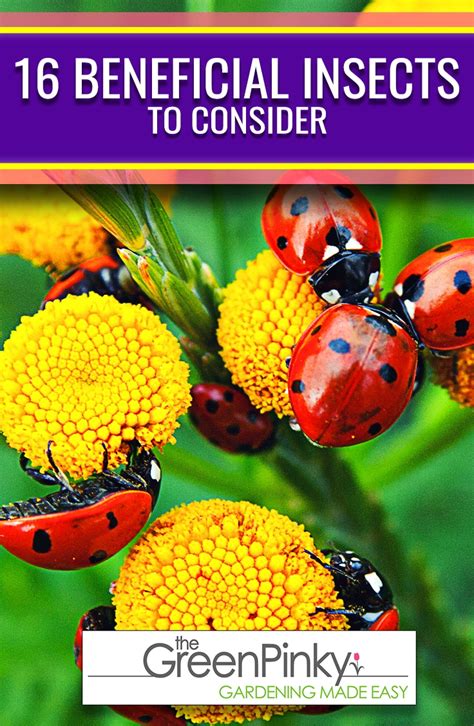
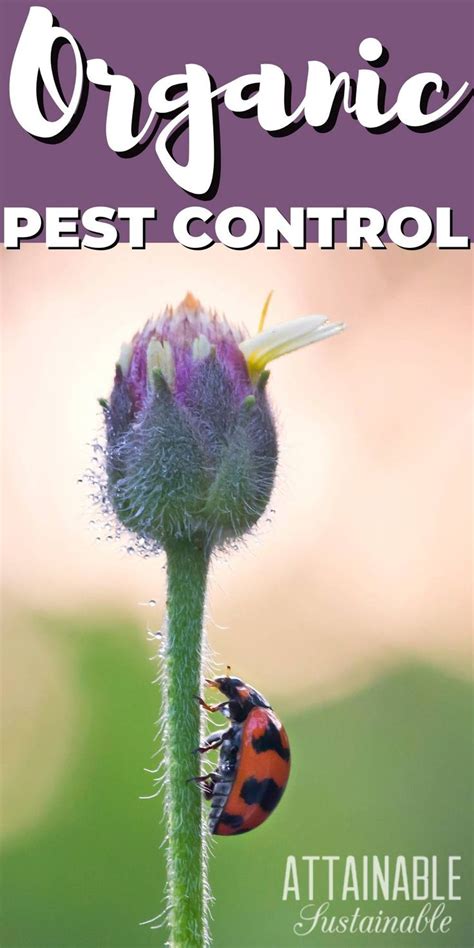
Encourage natural predators to take up residence in your garden. Ladybugs, lacewings, and predatory mites feast on aphids, spider mites, and other destructive pests. Attract them by planting diverse flowering plants like dill, fennel, calendula, and cosmos, which provide nectar and pollen.
Conclusion: A Thriving, Chemical-Free Harvest
Implementing organic DIY pest control requires patience and observation, but the rewards are immense. By combining preventative measures, homemade remedies, physical barriers, and the power of beneficial insects, you can create a vibrant, healthy ecosystem that supports strong plant growth and yields an abundance of fresh, chemical-free vegetables. Enjoy the satisfaction of a bountiful backyard garden, knowing you’ve nurtured it naturally and sustainably.