




Organic pest control for a vibrant heirloom vegetable garden?
Nurturing Your Heirloom Harvest Naturally
Cultivating an heirloom vegetable garden is a rewarding endeavor, offering a connection to history and unparalleled flavor. However, keeping these unique varieties vibrant often means fending off a myriad of common garden pests. The good news is that you don’t need harsh chemicals to achieve a healthy, productive garden. Organic pest control methods are not only effective but also preserve the delicate balance of your garden’s ecosystem, ensuring the long-term health of your soil, plants, and the beneficial insects you want to attract.

Prevention is Key: Building a Resilient Garden
The first line of defense in organic pest control is prevention. A strong, healthy plant is naturally more resistant to pests and diseases. This starts with healthy soil, proper plant spacing, and choosing the right varieties for your climate.
Healthy Soil and Proper Nutrition
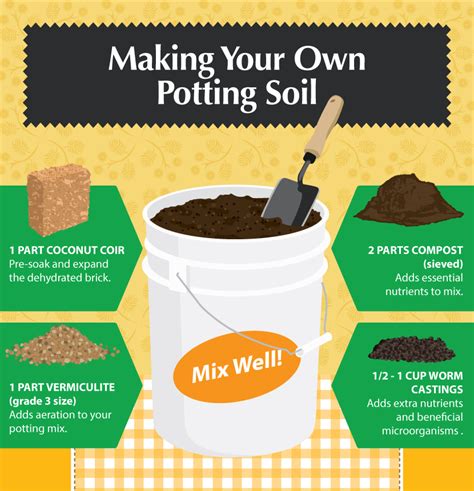
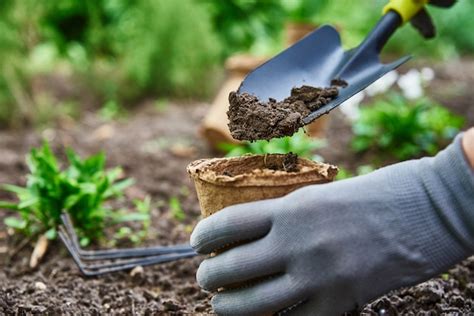
- Enrich with Compost: Regular additions of rich organic compost improve soil structure, fertility, and microbial life, leading to stronger plants.
- Balanced Nutrients: Avoid over-fertilizing with nitrogen, which can lead to lush, tender growth that attracts sap-sucking pests. Opt for balanced organic fertilizers.
Cultural Practices
- Crop Rotation: Rotate your crops annually to break pest and disease cycles specific to certain plant families.
- Proper Spacing: Give plants adequate space for air circulation, which reduces fungal diseases and makes it harder for pests to spread.
- Timely Planting: Plant at the optimal time for your climate. Strong seedlings establish better and are less susceptible to early pest attacks.
Manual & Mechanical Control
Sometimes, the simplest methods are the most effective, especially in a dedicated heirloom garden where individual plant care is a joy.
Hand-Picking Pests
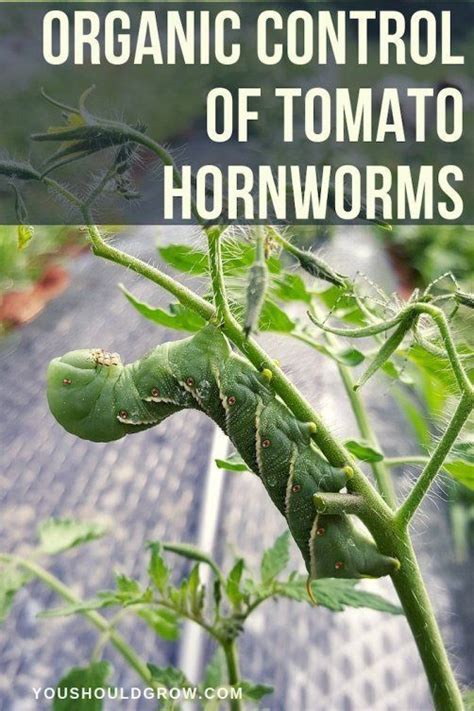
Regularly inspect your plants for pests like tomato hornworms, slugs, or Colorado potato beetles. Hand-picking them off and dropping them into soapy water is a highly effective, albeit time-consuming, method for smaller infestations.
Barrier Methods
- Row Covers: Lightweight floating row covers can protect young plants from flying insects like cabbage moths or squash vine borers, especially during critical early growth stages. Ensure they are well-sealed.
- Copper Tape & Diatomaceous Earth: For slugs and snails, copper tape around raised beds or containers creates an electrical barrier. Diatomaceous earth sprinkled around plants acts as a physical deterrent, but needs reapplication after rain.
Harnessing Nature: Biological Control
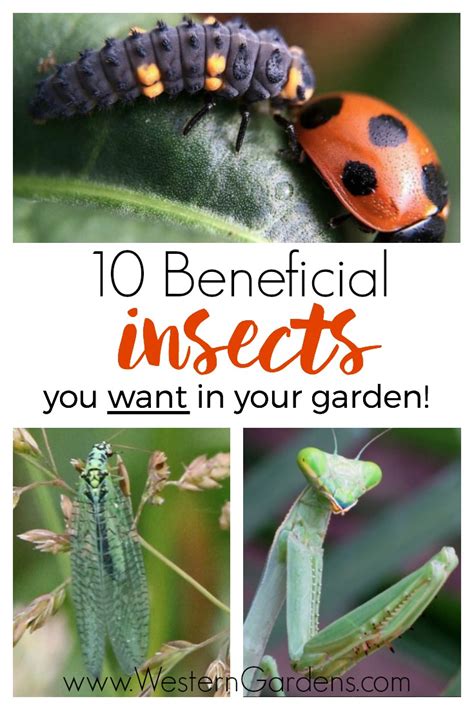
Inviting beneficial insects into your garden is one of the most powerful organic pest control strategies. These natural predators and parasites will do much of the heavy lifting for you.
Attracting Beneficial Insects
- Plant Nectar & Pollen Sources: Incorporate flowering plants that provide nectar and pollen for beneficials. Dill, fennel, cilantro, cosmos, marigolds, and sweet alyssum are excellent choices for attracting ladybugs, lacewings, and predatory wasps.
- Provide Habitat: Leave some areas undisturbed or create insect hotels to give beneficials shelter.
Releasing Beneficial Insects
For more severe outbreaks, you can purchase and release beneficial insects like ladybugs, praying mantises, or parasitic wasps. Ensure you release them in the evening when temperatures are cooler, and consider misting your plants beforehand to encourage them to stay.
Organic Sprays and Treatments
When preventive and biological methods aren’t enough, several organic sprays can provide targeted treatment without harming the environment or your heirloom plants.
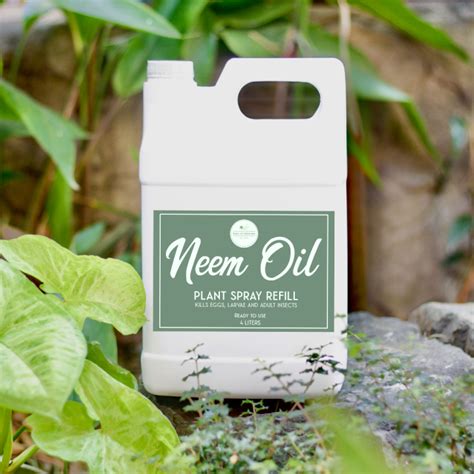
- Neem Oil: A broad-spectrum organic insecticide, miticide, and fungicide that disrupts insect feeding and growth cycles. It’s effective against aphids, spider mites, whiteflies, and powdery mildew. Apply at dusk to protect pollinators.
- Insecticidal Soap: Works by smothering soft-bodied insects like aphids, thrips, and spider mites. It has low residual effect, making it safer for beneficials once dry.
- Garlic or Pepper Sprays: Homemade sprays from garlic or hot peppers can repel a variety of pests due to their strong scents and irritants.
- BT (Bacillus thuringiensis): A naturally occurring bacterium that is highly effective against specific caterpillar pests (like cabbage loopers or tomato hornworms) while being harmless to humans, pets, and most beneficial insects.
Monitoring and Adapting
Regularly walk through your heirloom garden, observing your plants closely. Early detection of pest problems is crucial for effective organic control. Look under leaves, inspect stems, and note any changes in plant health. Understanding the life cycle of common pests in your area will also help you anticipate and address issues proactively.
Maintaining a vibrant heirloom vegetable garden organically is a journey of observation, patience, and working with nature. By implementing these strategies, you’ll not only protect your precious plants but also foster a thriving, balanced ecosystem that yields delicious, healthy heirloom produce for years to come.