
Organic ways to protect vegetable gardens from deer in a rural setting?

The Rural Gardener’s Challenge: Coexisting with Deer
For those living in the tranquil beauty of the countryside, a thriving vegetable garden is often a cherished dream. However, this dream can quickly turn into a nightmare when local deer populations discover your delicious bounty. In rural settings, deer are a constant presence, and protecting your hard-earned harvest organically requires a thoughtful, multi-faceted approach that respects both wildlife and your desire for homegrown produce.

Building Impenetrable Fortresses: Physical Barriers
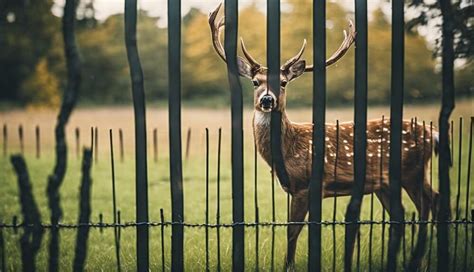
When it comes to deer, prevention is often the most effective strategy. Physical barriers are the gold standard for protecting vegetable gardens organically.
Tall Fencing: Your First Line of Defense
- Height is Key: Deer are surprisingly athletic jumpers. For effective deterrence, fences typically need to be at least 8 feet tall. While 6 feet might deter some, a determined deer can easily clear it.
- Material Choices: Woven wire, electric fencing (though less ‘organic’ in feel, it’s a non-lethal deterrent), or even sturdy mesh can work. Ensure posts are strong and secure.
- Angled Fences: Some gardeners have success with fences angled outwards at a 45-degree angle, making it difficult for deer to gauge the jump.
Double Fencing or Layered Protection
A more complex but highly effective method is creating a double fence line. Two fences, about 3-5 feet apart and perhaps 4-5 feet tall each, create a psychological barrier. Deer are reluctant to jump into a confined space where they might feel trapped, even if they could clear both fences individually.
Natural Deterrents: Engaging Their Senses
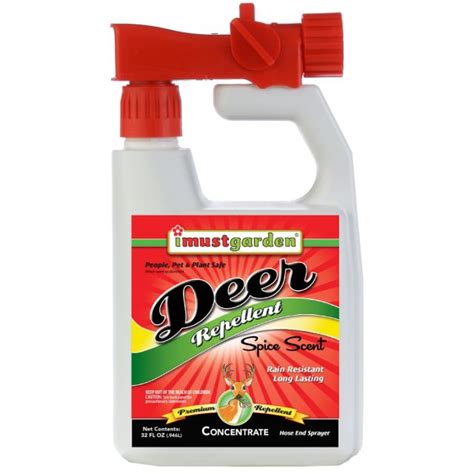
While fences are robust, various organic deterrents can complement them or serve as a standalone solution for less severe deer pressure. These methods often rely on strong scents or tastes that deer find unpleasant.
- Scent-Based Repellents:
- Irish Spring Soap: Grate bars of Irish Spring soap and place them in mesh bags or old socks tied to stakes around the garden perimeter. The strong scent is often a deterrent.
- Human Hair/Pet Fur: The scent of human or pet presence can make deer wary. Scatter hair clippings from barbershops or pet groomers around the garden.
- Predator Urine: While less pleasant to handle, coyote or fox urine (available commercially) can mimic the presence of a predator, scaring deer away.
- Strong-Smelling Plants: Plant herbs like lavender, rosemary, mint, garlic, and chives around the garden’s edge. Deer tend to avoid these.
- Taste-Based Sprays:
- Hot Pepper Spray: A homemade spray of cayenne pepper, garlic, and water can be applied directly to plant leaves. Reapply after rain.
- Egg-Based Sprays: Rotten egg smell is highly off-putting to deer. Commercial organic deer repellents often use putrescent egg solids as their active ingredient.
Strategic Planting: Choosing Deer-Resistant Varieties
While no plant is entirely “deer-proof” when food is scarce, some are less appealing than others. Incorporating these into your garden design, especially around the perimeter, can help.
- Deer-Resistant Vegetables: Generally, deer tend to avoid fuzzy, thorny, or strong-smelling plants. Examples include onions, garlic, chives, rhubarb (leaves are toxic), asparagus, and some herbs.
- Perimeter Planting: Create a buffer zone by planting deer-resistant flowers or shrubs around your main vegetable beds. Examples include lavender, foxglove, lamb’s ear, or sturdy ornamental grasses.

Vigilance and Adaptation: The Gardener’s Ongoing Task
Deer are intelligent and adaptable creatures. What works one season might be less effective the next. Therefore, a successful organic deer protection strategy requires ongoing vigilance and a willingness to adapt.
- Rotate Deterrents: Don’t rely on just one deterrent for too long. Switch up your scents, sprays, and methods to prevent deer from becoming accustomed to them.
- Regular Inspection: Routinely check your fences for damage and reapply sprays or refresh scent deterrents, especially after rain or heavy wind.
- Keep it Clean: Remove fallen fruit or vegetables promptly to avoid attracting deer with readily available food sources.
Conclusion: A Harmonious Yet Protected Garden
Protecting your vegetable garden organically from deer in a rural setting is an ongoing commitment, but it’s a rewarding one. By combining robust physical barriers, a rotating arsenal of natural deterrents, strategic planting, and consistent vigilance, you can create a harmonious environment where your prized vegetables flourish, and your local deer find other, less appealing dining options. Embrace the challenge, and enjoy the fruits (and vegetables!) of your labor.