Packing homemade food for healthy country travel: best strategies?
Why Homemade Food is Your Best Travel Companion
Venturing into the countryside offers a delightful escape from the daily grind, but maintaining healthy eating habits on the road can be a challenge. While local eateries are part of the experience, relying solely on them can lead to unpredictable nutrition, higher costs, and often, less healthy options. This is where packing homemade food shines as a superior strategy for any country traveler focused on wellness, budget, and dietary control.
Homemade meals provide peace of mind, allowing you to control ingredients, portion sizes, and freshness. Whether you have specific dietary restrictions or simply prefer wholesome, unprocessed foods, pre-prepared meals are a game-changer. They also save precious time that might otherwise be spent searching for suitable dining options, giving you more freedom to explore your destination.
Smart Food Choices for the Road
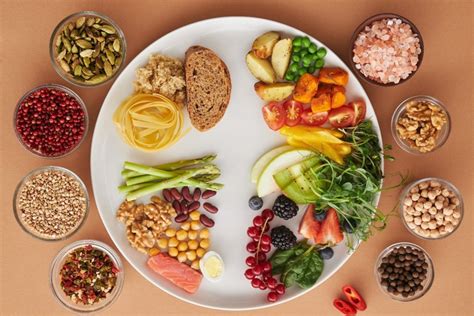
The success of your homemade food strategy hinges on selecting the right types of food that travel well and stay fresh. Focus on items that are robust, require minimal re-heating, and are easy to eat on the go.
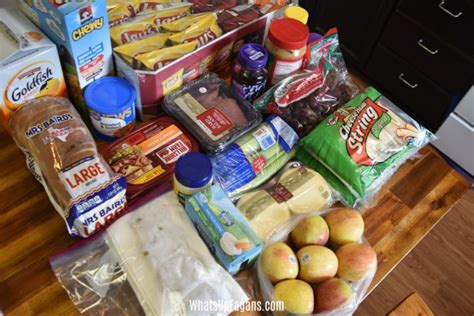
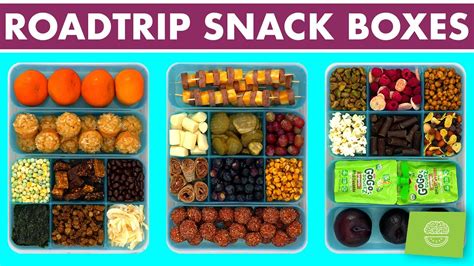
- Non-Perishables & Semi-Perishables: Think whole fruits like apples and oranges, sturdy vegetables such as carrots and bell peppers, nuts, seeds, homemade granola bars, and dried fruit. Hard-boiled eggs and hard cheeses (like cheddar or gouda) also travel well with proper cooling.
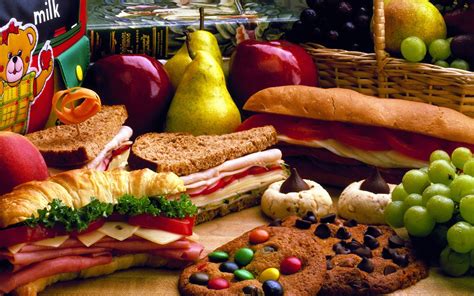
- Portable Meals: Sandwiches, wraps, and pita pockets are classic choices. Opt for whole-grain breads and fillings like lean turkey, hummus, or veggie spreads. Salads packed in jars, with dressing at the bottom, stay fresh longer and can be easily tossed when ready to eat. Cooked grains like quinoa or couscous mixed with roasted vegetables also make excellent, satisfying cold dishes.
- Hydration: Don’t forget water! Reusable water bottles are essential. Consider bringing herbal tea bags or instant coffee for hot beverages on chilly mornings.
Essential Packing Gear and Techniques
Proper packing is crucial for keeping your food fresh, safe, and organized. Investing in quality gear will make a significant difference.
Coolers and Insulation
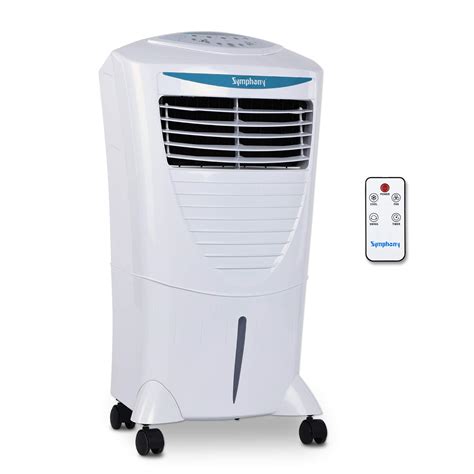
A good quality cooler or insulated bag is non-negotiable for perishable items. Fill it with ice packs, frozen water bottles (which double as drinking water once thawed), or a block of ice to maintain a safe temperature. Pack items tightly to minimize air space, which helps keep the contents colder for longer.
Containers and Organization
Leak-proof, airtight containers are your best friend. Opt for reusable, BPA-free plastic or glass containers. Separate different food types to prevent cross-contamination and make grabbing snacks easier. Silicone bags are also excellent for saving space. Pack cutlery, napkins, and a small trash bag for convenience and cleanliness.
Tips for Maintaining Food Safety and Freshness
Preventing foodborne illness is paramount, especially when you’re far from home. Follow these guidelines to keep your homemade meals safe:
- Keep it Cold: Perishable foods should not be left at room temperature for more than two hours (or one hour if temperatures are above 90°F / 32°C). Always return items to the cooler promptly after use.
- Cleanliness is Key: Wash your hands thoroughly before handling food. Use separate cutting boards and utensils for raw and cooked foods if preparing on the go.
- Portion Smart: Only pack what you expect to eat within the safety window. Larger quantities of food take longer to cool down or heat up, increasing risk.
- Check Expiration Dates: Even for homemade items, be mindful of how long they’ve been prepared. When in doubt, throw it out.
Making the Most of Your Travel Meals
Beyond the practicalities, packing homemade food can enhance your travel experience. Consider preparing a variety of items to avoid monotony. Think about how you’ll eat – do you need cutlery, or can it be eaten with hands? Are there picnic spots along your route? Planning a few designated meal stops can be a pleasant way to break up a long drive and enjoy the scenery.
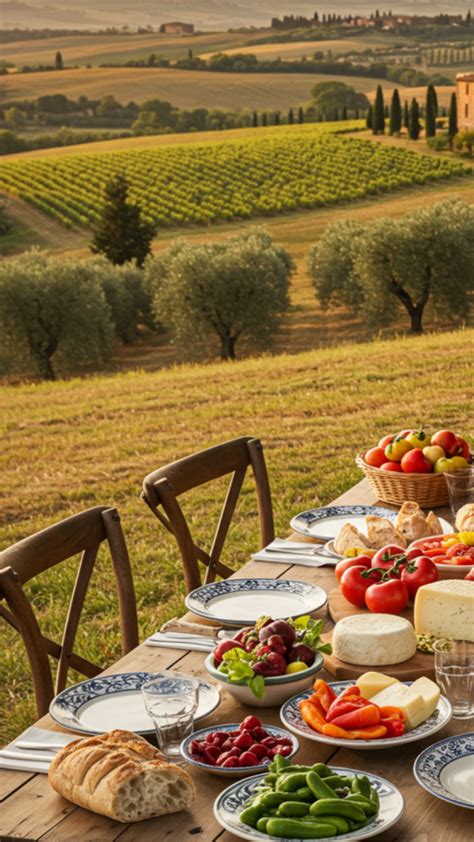
Embrace the flexibility that comes with your pre-packed provisions. You won’t be tied to restaurant schedules or limited menus, freeing you to explore more remote areas or simply enjoy an impromptu picnic with a stunning view. With a little foresight and the right strategies, your homemade food will be an invaluable asset to a healthy and memorable country adventure.