Picky eaters? How do you involve kids in real food cooking & garden harvest?
Overcoming Picky Eating Through Engagement
Ah, the picky eater. A familiar challenge for many parents, often turning mealtime into a battleground rather than a joyous family experience. But what if the solution wasn’t about stricter rules or endless negotiations, but rather about inviting your child into the fascinating world of food preparation from the very beginning? Involving kids in real food cooking and garden harvest isn’t just about teaching life skills; it’s a powerful strategy to foster curiosity, ownership, and a willingness to try new things.
The Power of Participation
When children are part of the process – from planting a seed to stirring a pot – they develop a connection to their food. This direct involvement transforms abstract ingredients into tangible achievements, making them more likely to sample the fruits (and vegetables!) of their labor. It’s about empowering them to be active participants in their own nutrition, rather than passive recipients of a meal.
From Seed to Plate: Cultivating Curiosity in the Garden
There’s a magical transformation that happens when a child watches a tiny seed grow into a vibrant plant bearing edible treasures. Gardening offers a sensory-rich experience that engages all their senses and builds a deeper appreciation for where food comes from.
Easy Garden Tasks for Little Hands
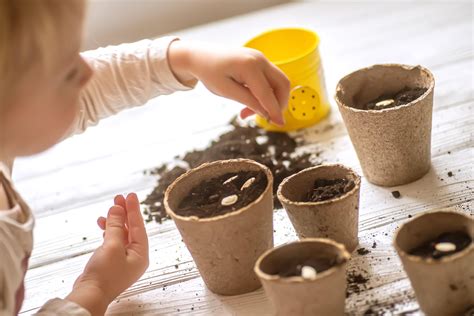
- Seed Sowing: Let them choose what to plant and help poke holes and drop in seeds. Fast-growing options like radishes, lettuce, or sunflowers offer quick gratification.
- Watering: Hand them a small watering can and assign them the crucial job of keeping plants hydrated.
- Weeding: Teach them to identify weeds and help pull them out, explaining how weeds steal nutrients from the plants.
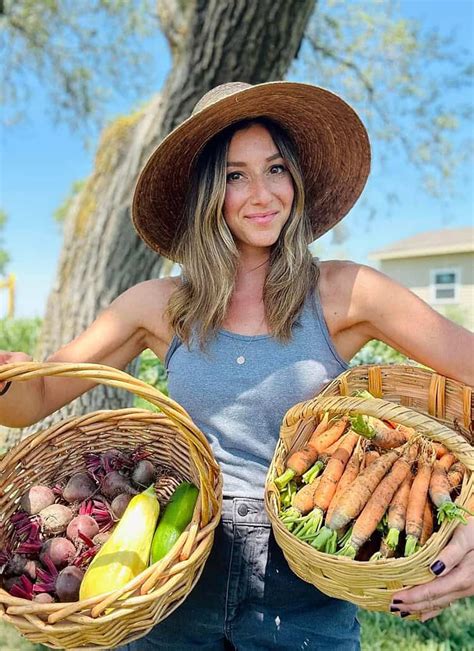
- Harvesting: This is the ultimate reward! Guide them in carefully picking ripe fruits, vegetables, and herbs.
Whipping Up Wonders: Engaging Kids in the Kitchen
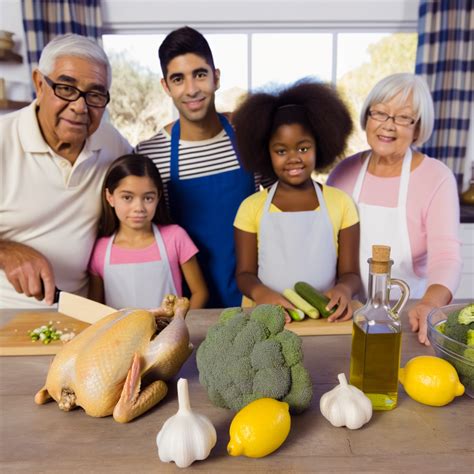
Once the harvest (or your grocery bag) makes it indoors, the kitchen becomes the next classroom. Cooking with kids is a fantastic way to introduce them to different textures, smells, and the alchemy of turning raw ingredients into delicious meals.
Age-Appropriate Cooking Activities
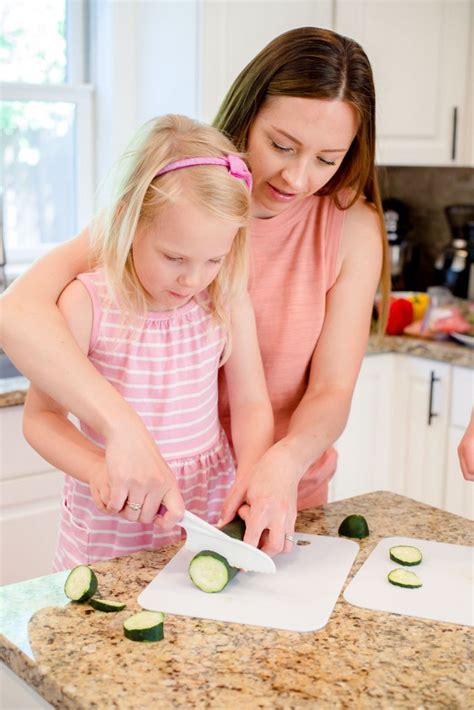
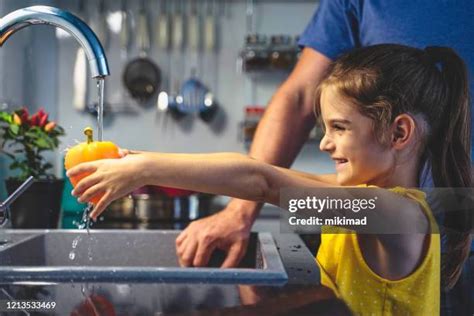
- Washing & Prepping: Little ones can wash vegetables, tear lettuce for salads, or snap green beans. Older kids can learn to peel and chop with child-safe knives.
- Mixing & Stirring: Any recipe involving a bowl and a spoon is perfect. Let them mix batters, stir sauces, or whisk eggs.
- Measuring: This is a fun way to incorporate basic math skills. Guide them in measuring flour, sugar, or liquids.
- Assembling: From building pizzas to layering sandwiches or creating fruit skewers, assembly tasks are great for creativity and fine motor skills.
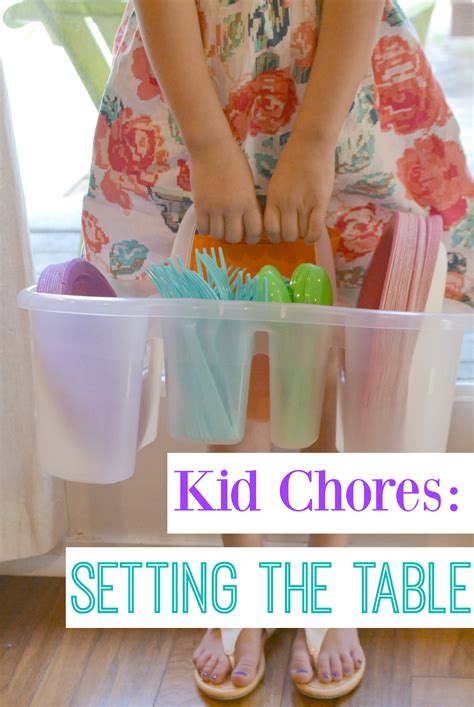
- Setting the Table: Involve them in the final presentation, making mealtime feel special and collaborative.
Always supervise children in the kitchen, especially around heat and sharp objects, and focus on the joy of participation rather than perfection.
More Than Meals: Making Food Fun and Educational
Beyond the practical tasks, make the food journey an adventure. Storytelling, games, and sensory exploration can significantly boost a child’s willingness to try new foods.
Creative Approaches to Food Exploration
- Themed Meals: Cook a meal from a different country or based on a favorite book.
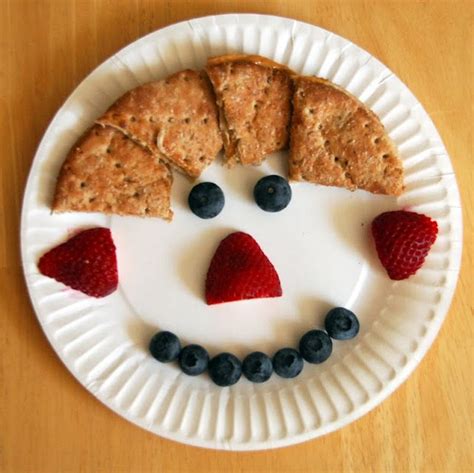
- Food Art: Use fruits and vegetables to create funny faces or designs on plates.
- Mystery Ingredient Game: Blindfold them and let them guess foods by smell or taste (start with familiar items).
- Grow Your Own Sprout/Herb: A small windowsill garden of sprouts or herbs can provide quick, exciting results.
Tips for Nurturing a Positive Food Relationship
Remember, the goal is long-term healthy eating habits, not just one successful meal. Patience and a positive attitude are key.
Patience and Positive Reinforcement
- Don’t Force It: Offer new foods repeatedly without pressure. It can take many exposures for a child to accept a new taste.
- Offer Choices: Let them pick between two healthy options.
- Model Good Behavior: Let your children see you enjoying a wide variety of foods.
- Celebrate Small Wins: Acknowledge their effort, even if they only take one tiny bite.
- Focus on the Journey: Emphasize the fun of growing and cooking, not just the outcome of eating.

The Long-Term Harvest: Healthy Eaters, Happy Families
By involving your children in the entire food process, from garden to plate, you’re not just tackling picky eating; you’re nurturing a positive relationship with food, building essential life skills, and creating cherished family memories. These shared experiences empower children to become confident, adventurous eaters and foster a lifelong appreciation for real, wholesome food.