



Picky eaters? How to get kids to try more homemade, real food?
Understanding the Picky Eater Phenomenon
Many parents face the common struggle of getting their children to eat anything beyond a select few favorite items. While it can be frustrating, most children go through phases of picky eating. This isn’t just about defiance; it can stem from a natural caution towards new foods (neophobia), sensory sensitivities, or a developing sense of autonomy. The good news is that with patience, creativity, and a consistent approach, you can guide your kids towards a more adventurous and nutritious diet.
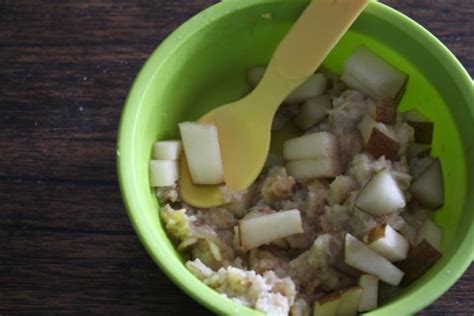
Shifting from processed snacks to homemade, real food offers immense benefits for their growth and long-term health. The key is to make the journey enjoyable and low-pressure, turning mealtime into a positive experience rather than a battleground.

Involve Them in the Kitchen
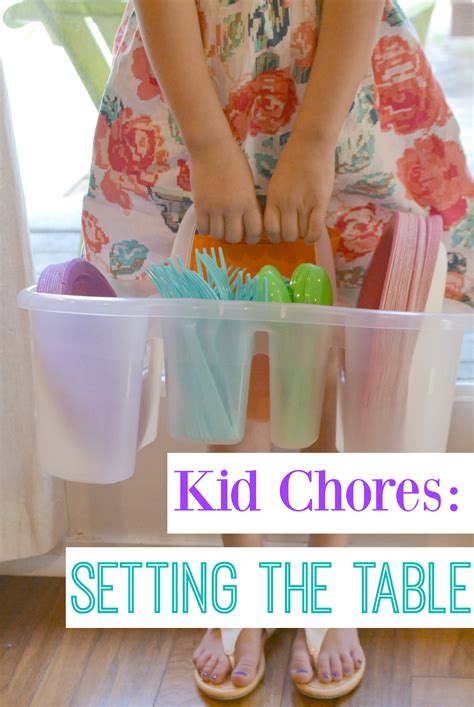
One of the most effective ways to encourage kids to try new foods is to let them be part of the food preparation process. Children are more likely to eat something they’ve helped create. Start with simple tasks appropriate for their age, like washing vegetables, stirring ingredients, setting the table, or even choosing a recipe from a kid-friendly cookbook. This hands-on experience builds excitement and ownership over the meal.
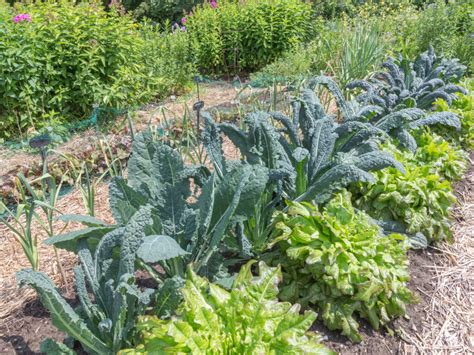
Talk about where food comes from, what different ingredients taste and smell like, and how they contribute to a healthy body. This educational aspect can demystify food and make it less intimidating.

Make Mealtime a Positive Experience
Create a pleasant and consistent mealtime routine. Eat together as a family whenever possible, turning meals into an opportunity for connection and conversation rather than scrutiny of what’s on the plate. Avoid pressuring children to eat specific foods or clearing their plate. This can create negative associations with food and lead to power struggles. Instead, offer a variety of foods, including at least one they typically enjoy, and let them decide how much to eat from what’s served.
Keep portions small initially; a large plate can be overwhelming. Praise them for trying even a small bite, not for finishing everything. Remove distractions like screens during meals to foster mindful eating.
Offer Variety and Repeated Exposure
It can take many exposures—sometimes 10 to 15 times—for a child to accept a new food. Don’t give up after the first refusal! Continue to offer new foods regularly alongside familiar favorites. Present them in different ways: raw, steamed, roasted, or as part of a casserole. A child who dislikes raw carrots might love them roasted and slightly sweet.
Incorporate new ingredients into dishes they already like. For example, add finely chopped vegetables to pasta sauce or blend spinach into a smoothie. Make food visually appealing with colorful plates and fun shapes. Food doesn’t just have to taste good; it should look inviting too.

Be a Role Model and Stay Patient
Children learn by observing their parents. If they see you enjoying a wide variety of healthy foods, they are more likely to imitate your behavior. Eat what you want your children to eat, and express your enjoyment of these foods. Avoid making negative comments about food yourself.
Patience is paramount. Changing eating habits takes time and consistency. There will be good days and bad days. Celebrate small victories, like a child trying a new food, even if they don’t love it immediately. Remember that your goal is to foster a healthy relationship with food, not to force compliance. Focus on the long-term journey of exploration and healthy eating habits.

Conclusion
Encouraging picky eaters to embrace more homemade, real food is a marathon, not a sprint. By involving them in the process, making mealtimes positive, offering consistent exposure to variety, and modeling healthy eating, you can gently guide your children toward a more diverse and nutritious diet. These strategies not only improve their eating habits but also create lasting positive memories around food and family life.