Picky kids: How to make homegrown real food family favorites?

Turning Picky Eaters into Enthusiastic Foodies
Ah, the legendary picky eater. Almost every parent has faced the challenge: a child who turns up their nose at anything green, new, or simply not a chicken nugget. The dream of a family happily sharing a meal of fresh, wholesome, homegrown food often feels like a distant fantasy. But what if we told you there are practical, enjoyable ways to bridge that gap and transform mealtime struggles into shared culinary adventures?
The secret lies not just in what you cook, but in how you involve your children in the entire food journey – from seed to supper. By fostering a connection with the source of their food, you empower them to be more adventurous, appreciative, and ultimately, healthier eaters.
The Irresistible Allure of ‘Our Own’ Food
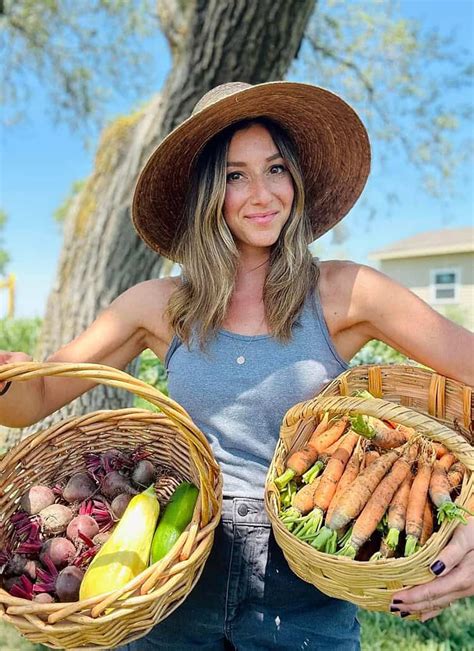
There’s a magical transformation that happens when a child plants a seed, waters it, watches it grow, and then harvests the fruit (or vegetable!) of their labor. That humble tomato or crisp lettuce leaf becomes ‘their own’ creation, imbued with a sense of pride and ownership. This personal investment significantly increases the likelihood they’ll try – and even love – the food they once rejected.
Beyond the psychological benefits, homegrown food often tastes better. Freshly picked produce retains more nutrients and flavor, making healthy options naturally more appealing. It’s an opportunity to teach children about seasonality, sustainability, and the incredible journey food takes to reach our plates.

From Seed to Supper: Involving Kids Every Step of the Way
Gardening as an Adventure
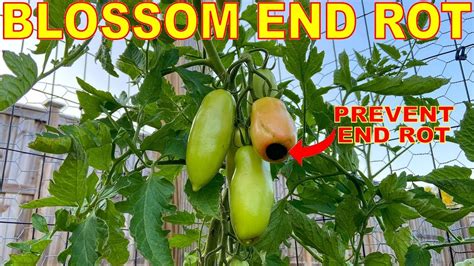
Start small, even a few potted herbs or a single tomato plant on a balcony can ignite their interest. Let them choose seeds (brightly colored carrots or fun-shaped squash can be great motivators!). Involve them in planting, watering, weeding, and, most excitingly, harvesting. Each step is a hands-on learning experience that builds anticipation for the meal ahead.
Kitchen Collaboration: Little Chefs in Training
Once the produce is harvested, bring them into the kitchen. Give them age-appropriate tasks: washing vegetables, tearing lettuce, stirring ingredients, or even simple chopping with child-safe knives. When kids help prepare the food, they’re more likely to eat it. They feel like contributors, proud of their efforts, and curious to taste the results.

Making Meals Fun and Appealing
Presentation is Key
Kids eat with their eyes first. Make plates colorful, arrange food in fun shapes, or use cookie cutters on sandwiches and vegetables. Serve sauces and dips on the side, allowing them to ‘customize’ their meal. Deconstructed meals (e.g., taco bars, build-your-own pizzas) give them control and choice, which picky eaters often crave.
The Art of Stealth: Hiding Healthy Goodness
Sometimes, a little culinary camouflage is necessary. Blend spinach into smoothies, puree roasted carrots into pasta sauce, or grate zucchini into muffins and meatloaf. The goal isn’t deception, but gently introducing new flavors and nutrients without overwhelming them. As their palates expand, you can gradually reveal the ‘secret’ ingredients.

Building Bridges: Familiarity and Experimentation
Don’t ditch their favorites entirely. Instead, adapt them. Can you add homegrown tomatoes to their beloved pasta? Or serve baked sweet potato fries instead of regular ones? Introduce new foods alongside familiar, well-loved dishes in small portions. The ‘one bite rule’ can be helpful: encourage a single taste without pressure to finish the whole portion.
Consistency is crucial. Children may need to be exposed to a new food 10-15 times before accepting it. Don’t give up after the first rejection. Offer it again in a different preparation or alongside different foods.

Patience, Persistence, and Positive Reinforcement
Changing eating habits takes time and patience. Avoid making mealtimes a battleground. Focus on creating a positive, relaxed atmosphere. Praise effort and bravery in trying new foods, rather than focusing solely on consumption. Remember, you’re building a foundation for a lifetime of healthy eating habits.
Celebrate small victories, whether it’s a child trying a new vegetable or expressing interest in helping out in the kitchen. By making food an exciting, shared experience, you’re not just nourishing their bodies, but also cultivating a joyful relationship with real food that will last long after the picky phase passes.
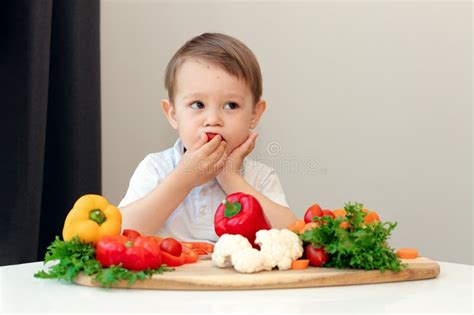
Embrace the journey of discovery in your kitchen and garden. With a little creativity, involvement, and a lot of love, those homegrown real foods will soon become the most cherished family favorites.