





Practical country living chores for kids to build responsibility?

Cultivating Responsibility: Chores in a Country Setting
Country living offers a unique classroom for children, presenting daily opportunities to learn invaluable life skills and develop a strong sense of responsibility. Unlike urban settings where chores might primarily revolve around indoor tasks, rural life inherently includes a wider array of practical duties that connect children directly to their environment, food sources, and the well-being of animals. Engaging kids in these hands-on tasks not only lightens the parental load but also fosters a deep understanding of contribution, consequence, and hard work.
Integrating children into the rhythm of farm or country life through age-appropriate chores is one of the most effective ways to build character. It teaches them that their actions have a tangible impact and that contributing to the household or farm is essential for everyone’s success.

Animal Care: Nurturing Empathy and Diligence
For families with livestock or pets, animal care provides a powerful avenue for responsibility. These chores teach empathy, consistency, and the understanding that living creatures depend on their care.
- Feeding and Watering: Even young children can help fill food bowls or water buckets for chickens, goats, or household pets. Older children can be responsible for measuring feed portions and ensuring animals have fresh water daily.
- Collecting Eggs: A favorite for many country kids, collecting eggs teaches gentleness and observation, often with the immediate reward of fresh eggs for breakfast.
- Mucking Stalls/Pens: While a dirtier job, mucking teaches the importance of sanitation and hard work. Older children can learn to operate wheelbarrows and pitchforks safely, understanding that a clean environment is crucial for animal health.
- Grooming: Brushing horses, goats, or even dogs instills patience and a sense of pride in maintaining an animal’s well-being.
Garden and Yard Work: Connecting with Nature and Sustenance
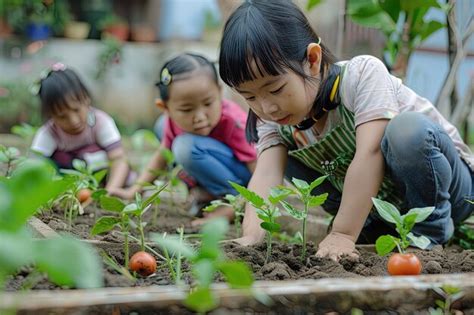
A garden is a living laboratory where children can witness the fruits of their labor, quite literally. These chores teach patience, the cycle of life, and the satisfaction of growing your own food.
- Weeding: A foundational garden chore, weeding teaches persistence and the importance of maintaining a healthy growing environment. Start with small, manageable sections.
- Planting Seeds/Transplants: Engaging children in planting teaches them about different plant varieties, proper spacing, and the delicate nature of young plants.
- Watering: Regular watering instills consistency and an understanding of plants’ basic needs.
- Harvesting: The ultimate reward! Harvesting teaches children about ripeness, careful handling, and the connection between effort and food on the table.
- Raking Leaves/Mowing (supervised): Older children can learn to manage yard tools, understanding the effort involved in maintaining outdoor spaces.

Household & Farm Maintenance: Practical Skills for Self-Sufficiency
Country living often comes with more hands-on maintenance, offering practical skills beyond typical household cleaning.
- Firewood Management: For those with wood stoves, carrying in firewood, stacking it neatly, or even helping split smaller logs (with supervision) builds strength and understanding of heating a home.
- Trash and Recycling: Understanding the waste stream and proper disposal methods is crucial, especially in rural areas where services might differ.
- Basic Tool Care: Teaching children to clean and put away tools properly instills respect for equipment and basic maintenance skills.
- Simple Repairs: Helping fix a fence post, tighten a gate, or mend something around the house teaches practical problem-solving.
Food Preparation & Preservation: From Farm to Table
Beyond gardening, country life often involves processing and preserving food, invaluable skills for self-sufficiency.
- Washing and Preparing Produce: After harvesting, children can help wash, peel, and chop vegetables for meals.
- Simple Cooking: Learning to prepare meals using ingredients from the garden or farm teaches independence and healthy eating habits.
- Assisting with Canning/Freezing: Older children can help with the various steps of food preservation, understanding how to store food for the long term.
Making Chores Effective for Building Responsibility
Simply assigning chores isn’t enough; the way they are introduced and managed is key to building responsibility:
- Age-Appropriate Tasks: Start small and gradually increase complexity. A toddler can put away toys, while a teenager might manage animal feeding for a week.
- Clear Expectations: Explain what needs to be done, how to do it, and when it needs to be completed.
- Consistency: Chores should be regular, not just when parents are overwhelmed.
- Patience and Teaching: Expect mistakes and be ready to teach and re-teach. The goal is learning, not perfection.
- Natural Consequences: If chores are neglected, let children experience the natural consequences (e.g., animals get hungry, plants wilt, favorite shirt isn’t clean).
- Praise and Recognition: Acknowledge their efforts and achievements. Verbal praise or a family meeting recognition can go a long way.
The Lasting Impact of Country Chores
In a world increasingly disconnected from the origins of food and the effort behind daily comforts, country living chores offer a vital antidote. They teach resilience, problem-solving, and a profound respect for nature and hard work. By engaging children in these practical duties, parents in rural settings aren’t just getting help around the farm; they’re investing in the development of capable, responsible, and empathetic individuals ready to tackle life’s challenges with confidence and a strong work ethic.