Practical recipes for preserving summer garden bounty for year-round country eating?

As the vibrant peak of summer unfolds, gardens burst forth with an abundance of fresh produce, offering a bounty that can sometimes feel overwhelming. But what if you could capture that peak freshness and enjoy your homegrown flavors throughout the colder months? Preserving your summer garden harvest is a time-honored tradition that ensures year-round country eating, reducing waste and providing wholesome, delicious ingredients for your pantry.
Embracing the Freezer: The Easiest Preservation Method
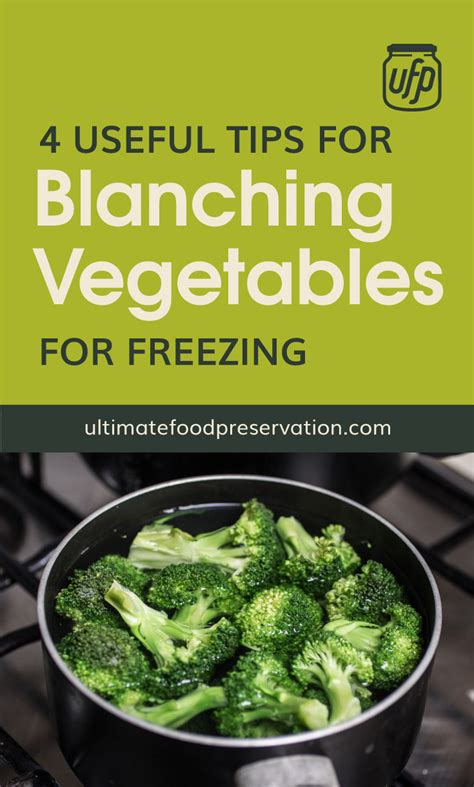
For many busy gardeners, freezing is the simplest and quickest way to preserve most vegetables and some fruits. Blanching is key for many vegetables to maintain color, flavor, and nutrition. For example, green beans, corn, peas, and broccoli all benefit from a quick dip in boiling water followed by an ice bath before freezing.
Method: Wash and chop your chosen vegetables. Blanch for 1-3 minutes (depending on the vegetable), then plunge into ice water. Drain thoroughly, pat dry, and spread in a single layer on a baking sheet to flash freeze. Once solid, transfer to freezer-safe bags or containers, removing as much air as possible.
The Art of Canning: Jams, Pickles, and More
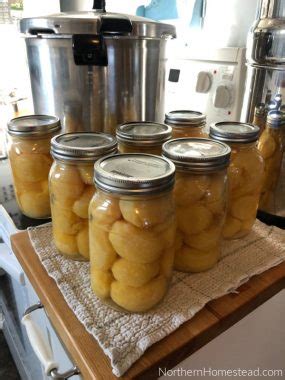
Canning allows for shelf-stable preservation, creating a beautiful pantry full of homemade goodness. There are two primary methods: water bath canning for high-acid foods (fruits, jams, jellies, pickles) and pressure canning for low-acid foods (most vegetables, meats, soups).
Water Bath Canning for Fruits and Pickles
Classic Strawberry Jam: Combine 4 cups crushed strawberries with 4 cups sugar and 1/4 cup lemon juice. Bring to a rolling boil, stirring constantly, until it reaches the gelling point. Ladle into hot, sterilized jars, leaving 1/4 inch headspace. Process in a boiling water canner for 10 minutes.
Dill Pickles: Pack pickling cucumbers into hot, sterilized jars with garlic, dill, and pickling spices. Pour a hot brine (equal parts vinegar and water, plus pickling salt) over them, leaving 1/2 inch headspace. Process in a boiling water canner for 15 minutes.
Pressure Canning for Low-Acid Vegetables
For vegetables like green beans, corn, or diced tomatoes (without added acid), a pressure canner is essential for safety. Follow USDA guidelines meticulously for processing times and pressures, as these vary significantly by altitude and food type.
Green Beans: Trim and snap beans. Pack hot into hot, sterilized jars, leaving 1 inch headspace. Add 1/2 teaspoon salt per pint jar (optional). Cover with boiling water, leaving 1 inch headspace. Process according to pressure canner instructions for your altitude.
Drying and Dehydrating: Concentrated Flavors
Drying is an ancient method that removes moisture, preventing spoilage and intensifying flavors. A food dehydrator is ideal, but an oven on its lowest setting or even air drying can work for some items.
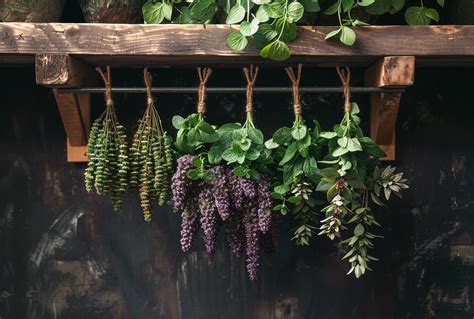
Herbs: Tie bundles of herbs like oregano, thyme, or mint and hang them in a dry, well-ventilated area. Once crisp, strip the leaves and store in airtight containers.
Sun-Dried Tomatoes (Oven Method): Slice Roma tomatoes thinly, toss with a little salt and olive oil. Arrange on baking sheets and bake at 200°F (93°C) for several hours until leathery but still pliable. Store in olive oil in the refrigerator or dry completely and store airtight.
Fermentation: The Tangy Transformation
Fermentation is a fantastic way to create probiotic-rich foods with unique flavors. It involves using beneficial bacteria to preserve vegetables through lactic acid production.
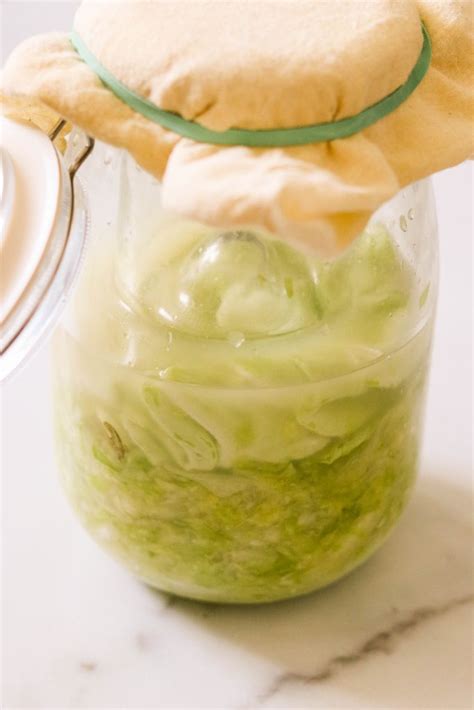
Basic Sauerkraut: Finely shred cabbage, add 2-3 teaspoons of non-iodized salt per pound of cabbage. Massage until brine forms. Pack tightly into a clean jar, ensuring cabbage is submerged under its own brine. Use a weight to keep it submerged. Cover loosely and ferment at room temperature for 1-4 weeks until desired tanginess is achieved.
Infusions and Vinegars: Flavorful Additions
Beyond whole foods, preserving the essence of your garden through infused oils and vinegars adds gourmet touches to your year-round cooking.
Herb-Infused Vinegar: Fill a clean bottle with fresh, clean herbs (rosemary, thyme, basil). Pour high-quality white wine vinegar or apple cider vinegar over the herbs, ensuring they are fully submerged. Cap tightly and let infuse in a cool, dark place for 2-4 weeks. Strain out herbs and bottle the infused vinegar.
Harvesting the Rewards Year-Round
Preserving your summer garden bounty is more than just a chore; it’s an act of love, sustainability, and culinary foresight. Each jar of jam, bag of frozen beans, or bottle of infused vinegar tells a story of your garden’s generosity and your efforts. With these practical recipes and methods, you can savor the taste of summer’s peak long after the last warm day, ensuring a pantry brimming with wholesome, homemade goodness for year-round country eating.