
Practical tips for involving kids in garden chores & real food kitchen prep?

In a world increasingly dominated by screens, reconnecting children with the origins of their food—from soil to plate—offers invaluable lessons and fosters a deeper appreciation for healthy eating. Involving kids in garden chores and real food kitchen preparation isn’t just about getting an extra pair of hands; it’s an opportunity to teach life skills, build confidence, encourage healthy habits, and create lasting family memories.
Cultivating Green Thumbs: Kids in the Garden
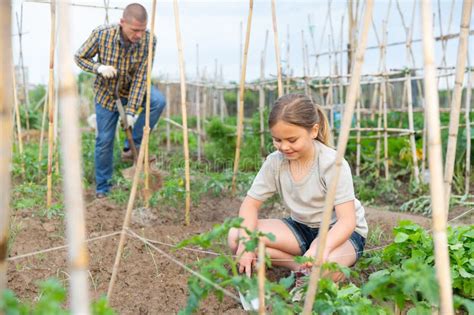
The garden is a natural classroom, full of wonders and responsibilities. Even the youngest children can participate in age-appropriate tasks, transforming gardening from a chore into an exciting adventure.
- Tiny Tenders (Ages 2-4): Start with simple tasks like watering plants with a child-sized watering can, pulling large weeds (under supervision to avoid desirable plants), or digging in a designated “dirt pile” with their own trowel. Emphasize sensory experiences – feeling the soil, smelling the flowers, watching bugs.
- Junior Gardeners (Ages 5-8): These kids can handle more responsibility. They can plant larger seeds or seedlings, help harvest fruits and vegetables, spread mulch, or even help design a small patch of their own garden. Teach them about different plant needs and basic garden tools.
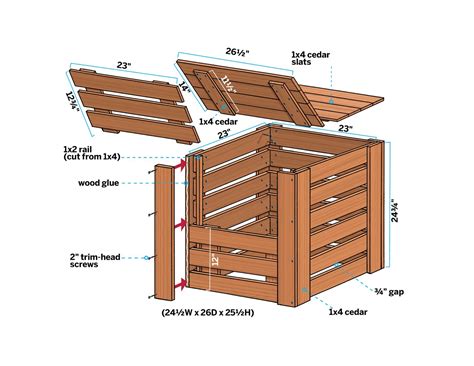
- Young Horticulturists (Ages 9+): Older children can take on independent projects, such as composting, pruning, identifying pests and beneficial insects, or planning crop rotations. Involve them in decision-making, like choosing what to plant next season.

Remember to make it fun! Invest in kid-sized gloves and tools, tell stories about the plants, or turn weeding into a treasure hunt for garden critters. Patience is key; embrace mistakes as learning opportunities rather than perfect outcomes.
From Garden to Table: Kids in the Kitchen
Once the harvest comes in, the kitchen becomes the next exciting learning ground. Involving children in preparing real food teaches them about nutrition, cooking techniques, and the satisfaction of creating a meal from scratch.
Making Meal Prep Engaging for All Ages
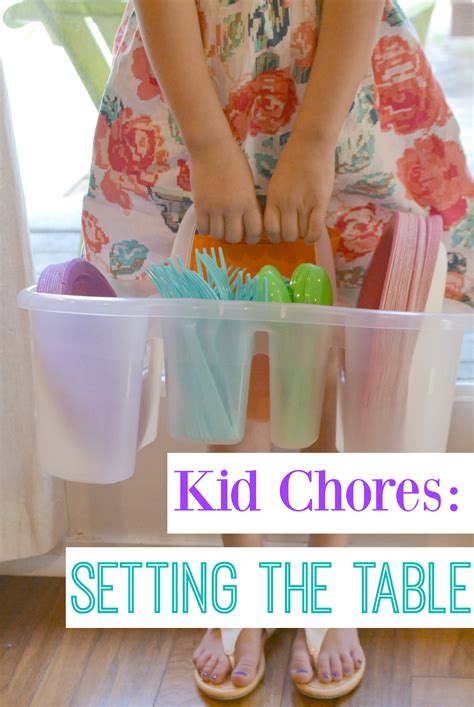
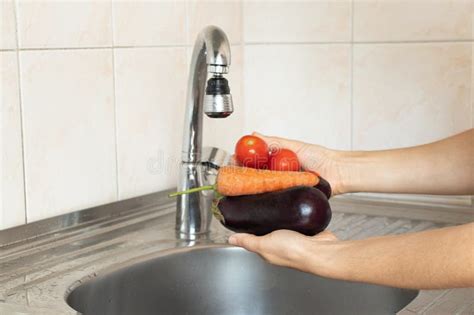
- Little Helpers (Ages 2-4): Focus on simple, safe tasks like washing fruits and vegetables, tearing lettuce for salads, stirring ingredients in a bowl (cold items), or helping set the table. Always supervise closely.
- Apprentice Chefs (Ages 5-8): Introduce tasks requiring a bit more coordination, such as peeling vegetables with a swivel peeler (with supervision), mashing potatoes, measuring ingredients, whisking eggs, or cutting soft foods with a butter knife. This is a great age to teach about food safety and hygiene.
- Sous Chefs (Ages 9+): Older children can take on more complex tasks, including chopping vegetables with a sharp knife (under strict supervision and after proper training), following simple recipes independently, grating cheese, or operating small appliances like a blender. Encourage them to experiment with flavors and take ownership of a dish.
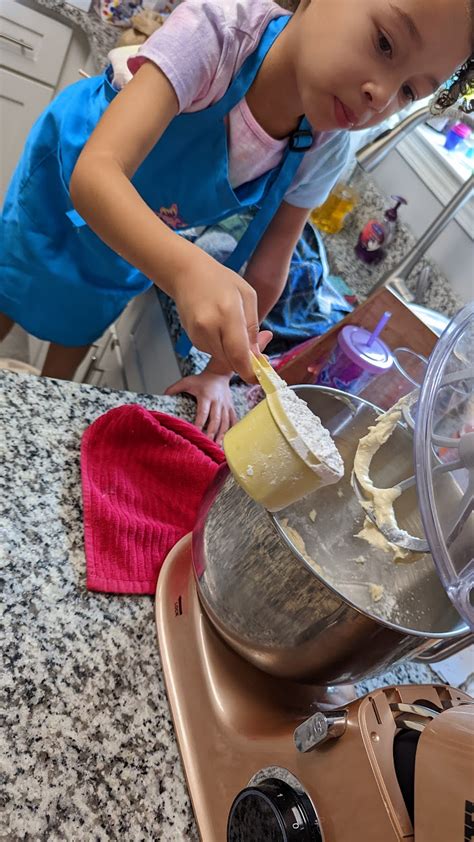
Focus on real, whole foods. When children help prepare meals they’ve grown or picked themselves, they’re often more willing to try new foods and develop healthier eating habits. This hands-on experience demystifies food and connects them to the process.
Tips for a Successful, Child-Inclusive Experience
To ensure these activities are positive and enriching for everyone, keep these practical tips in mind:
- Set Realistic Expectations: Understand that tasks will take longer and may be messier. The goal is participation and learning, not perfection.
- Safety First: Always prioritize safety in both the garden and kitchen. Teach proper tool use, explain potential hazards (sharp objects, hot stoves, poisonous plants), and provide constant supervision.
- Empowerment Over Instruction: Offer choices where possible (“Would you like to water the tomatoes or the beans first?”) and allow them to take the lead on certain steps. This builds confidence and fosters a sense of ownership.
- Celebrate Efforts, Not Just Results: Praise their hard work and enthusiasm, even if the plant doesn’t grow perfectly or the cookies are a bit lopsided. The effort matters most.
- Make it a Routine: Integrate these activities into your family’s weekly schedule so children come to expect and look forward to them.

By transforming garden chores and kitchen prep into engaging family activities, you’re not just growing plants or preparing meals; you’re cultivating curiosity, resilience, and a lifelong connection to healthy living in your children. These shared experiences become precious memories and lay the foundation for a sustainable, self-sufficient lifestyle.