




Practical tips for storing root vegetables through winter without a root cellar?

Maximizing Your Winter Harvest Without a Root Cellar
The bounty of autumn’s root vegetable harvest is a gardener’s delight, but preserving that goodness through the cold winter months can be a challenge, especially without the ideal conditions of a dedicated root cellar. Fear not! Many effective and practical methods exist to extend the life of your carrots, potatoes, beets, parsnips, and turnips using readily available resources and common household spaces. The key lies in understanding the principles of proper storage: cool temperatures, consistent humidity, and darkness.
While a traditional root cellar offers consistent, low temperatures and high humidity, we can replicate these conditions to a degree in various ways. Successful winter storage ensures you can enjoy your homegrown produce long after the first frost, saving money and providing fresh, nutritious food during the leanest months.

In-Ground Storage: A Natural Fridge
For many root vegetables, the simplest “storage” method is often to leave them right where they grew! Hardy roots like carrots, parsnips, and some turnip varieties can withstand light to moderate freezes while still in the soil. The trick is to provide adequate insulation to prevent deep freezing and thawing cycles that can damage the vegetables.
Before the ground freezes solid, cover the rows with a thick layer (6-12 inches) of straw, chopped leaves, or hay. This organic mulch acts as an insulating blanket, keeping the soil temperatures just above freezing. When you need them, simply brush away the mulch, dig up what you need, and replace the insulation. This method keeps the vegetables fresh, crisp, and retains their natural moisture. Just be sure to harvest before severe, prolonged freezes set in or if pests become an issue.
The Sand or Sawdust Burial Method
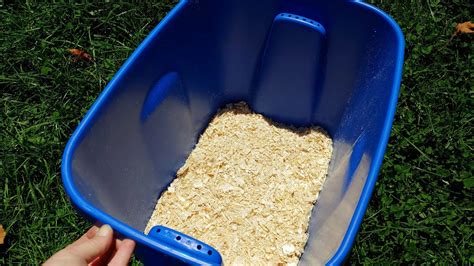
This classic technique provides an excellent environment for many root vegetables, especially carrots, beets, and potatoes, by mimicking the consistent temperature and humidity of soil. You’ll need large plastic bins, wooden crates, or even sturdy cardboard boxes, along with clean, slightly damp sand, peat moss, or sawdust (avoid sawdust from treated wood).
Layer the bottom of your container with 1-2 inches of your chosen medium. Place a single layer of clean, blemish-free root vegetables on top, ensuring they don’t touch each other. Cover completely with more medium, then add another layer of vegetables. Continue layering until the container is full, finishing with a thick top layer of medium. Store the sealed container in a cool, dark place like an unheated basement, garage, or even a cool closet where temperatures remain consistently between 35-50°F (2-10°C) with moderate humidity. Periodically check for spoilage and remove any affected vegetables promptly.
Cool, Dark, and Moderately Humid: Indoor Solutions
Even without a dedicated root cellar, you likely have spaces in your home that can approximate its conditions. Unheated basements, cool utility rooms, laundry rooms, or even a cold corner of a garage can work. The ideal conditions are cool (but not freezing), dark, and with relatively high humidity.
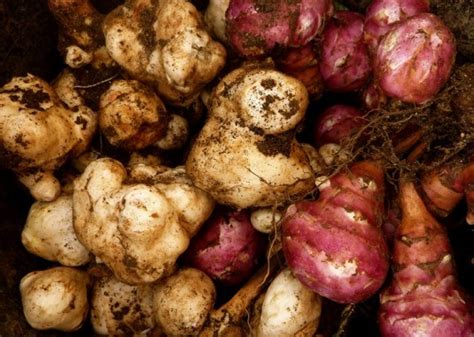
For vegetables like potatoes and sweet potatoes (which prefer slightly warmer conditions than others, around 50-60°F or 10-15°C, and good ventilation for sweet potatoes), store them in breathable containers like baskets, burlap sacks, or perforated bins. Ensure good air circulation and keep them away from direct light, which can cause potatoes to sprout and turn green. For other roots like turnips and parsnips, a plastic bag with a few ventilation holes, placed in the coolest part of your refrigerator or an unheated pantry, can extend their life significantly.

Beyond Fresh: Freezing and Dehydrating Roots
When long-term fresh storage isn’t feasible, don’t forget about alternative preservation methods. Most root vegetables can be blanched and frozen, offering a convenient way to store them for up to a year. Carrots, parsnips, beets, and potatoes (after blanching and sometimes partially cooking) freeze exceptionally well, ready to be added to stews, soups, or roasted dishes.
Dehydrating is another excellent option for certain roots, particularly carrots and beets, transforming them into shelf-stable components for winter meals. While these methods alter the texture, they preserve the nutritional value and flavor, ensuring your harvest doesn’t go to waste. Always follow specific blanching and dehydrating guidelines for each vegetable to ensure safety and quality.
Final Tips for Successful Storage
- Harvest Carefully: Avoid bruising your vegetables during harvest, as damaged areas are entry points for spoilage.
- Cure Some Roots: Potatoes and sweet potatoes benefit from a curing period (a week or two in a warm, humid environment) to heal skins and improve storage life.
- Clean, Don’t Wash: Brush off excess dirt, but avoid washing roots before storage, as moisture can encourage mold.
- Check Regularly: Inspect your stored vegetables every few weeks and remove any showing signs of spoilage to prevent it from spreading.
- Ventilation Matters: While humidity is good, stagnant air can lead to problems. Ensure some air circulation in your storage area.
With a little planning and effort, you can enjoy your homegrown root vegetables throughout the winter, even without the luxury of a dedicated root cellar. Experiment with these methods to find what works best for your specific vegetables and available storage spaces, and savor the taste of your hard work!