


Practical tips to naturally extend my garden harvest into early winter?

As autumn leaves begin to fall, many gardeners sadly anticipate the end of their fresh harvest. However, with a few clever and natural techniques, you can significantly extend your garden’s productivity, enjoying homegrown goodness well into early winter. Transitioning from a summer bounty to a robust late-season yield doesn’t require complex setups or harsh chemicals; it’s all about understanding your plants, the local climate, and implementing smart gardening practices.
Choose the Right Crops for Cold Weather
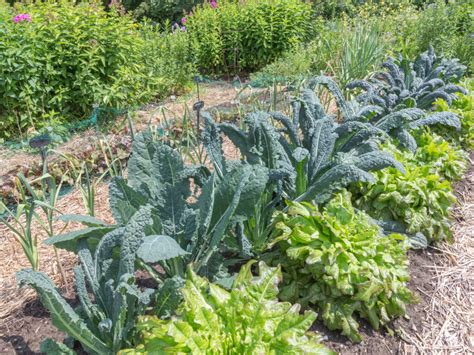
The foundation of a successful extended harvest lies in selecting varieties that tolerate or even thrive in cooler temperatures. Forget about heat-loving tomatoes and peppers; instead, focus on cold-hardy greens, root vegetables, and brassicas. Spinach, kale, collards, Swiss chard, and many varieties of lettuce can withstand light frosts. Root vegetables like carrots, beets, parsnips, and radishes sweeten with a touch of cold. Broccoli, cabbage, and Brussels sprouts are also excellent choices for late-season production.
Consider ‘cut-and-come-again’ greens that will offer multiple harvests, and look for specific ‘winter’ or ‘overwintering’ varieties when purchasing seeds, as these are bred for resilience in colder conditions.

Master Season Extension Techniques Naturally
Protecting your plants from harsh frosts and cold winds is crucial. Simple, natural structures can make a significant difference:
- Row Covers: Lightweight floating row covers are excellent for trapping heat and providing a few degrees of frost protection. They allow light and water through but shield plants from cold snaps and pests.
- Cold Frames: A cold frame is essentially a bottomless box with a transparent lid (old windows work perfectly). Placed over plants, it creates a mini-greenhouse effect, warming the soil and protecting plants from severe cold.
- Cloches: Individual cloches, made from repurposed plastic jugs or glass bell jars, can protect single plants or small clusters.
These techniques work by insulating plants and capturing solar energy, extending the growing season without artificial heat.

Strategic Planting: Succession and Timing
Don’t stop planting when summer arrives! Succession planting is key to a continuous harvest. In late summer (August to early September, depending on your climate zone), plant fast-growing, cold-hardy crops. This means sowing seeds for a second or third round of lettuce, spinach, radishes, and cilantro. For slower-growing crops like kale or collards, plant them in mid-summer so they are mature enough to withstand early frosts.
Timing is everything. Check your local frost dates and work backward, allowing enough days for your chosen varieties to reach maturity before the deep cold sets in. Some plants, like parsnips, can even be left in the ground to be dug as needed, sweetening after a hard freeze.

Optimize Your Garden Environment
A healthy soil and thoughtful garden layout can naturally support a longer harvest:
- Site Selection: Choose the warmest, sunniest spot in your garden for late-season crops. A south-facing wall or fence can reflect heat and offer protection.
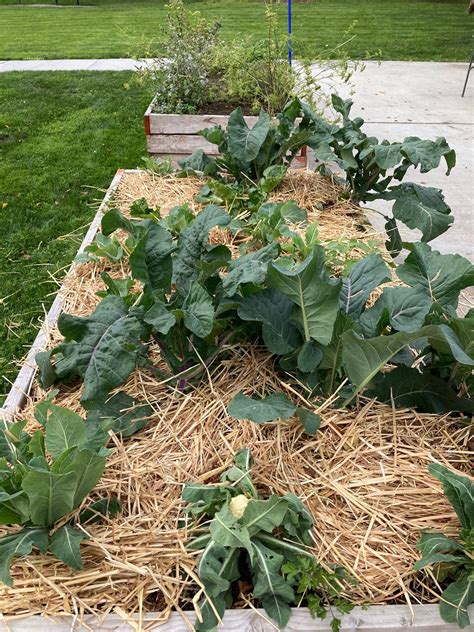
- Mulching: A thick layer of organic mulch (straw, leaves, wood chips) around your plants helps to insulate the soil, keeping it warmer for longer and protecting roots from freezing. It also conserves moisture.
- Watering Wisely: Water deeply but less frequently in cooler weather. Damp soil retains heat better than dry soil, but overwatering can lead to rot.
Incorporating compost regularly enriches the soil, leading to stronger, more resilient plants better equipped to handle changing conditions.
Harvest Wisely and Store Naturally
How and when you harvest can also extend your yield:
- Cut-and-Come-Again: For greens, harvest outer leaves or snip plants a few inches above the soil, allowing them to regrow for future harvests.
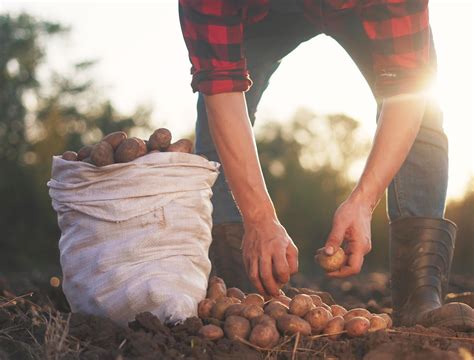
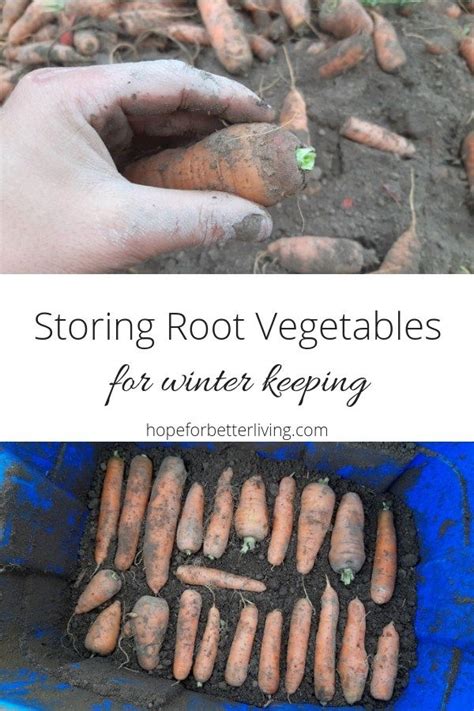
- In-Ground Storage: Many root vegetables (carrots, parsnips, beets) can be left in the ground under a thick layer of mulch. Dig them up as needed throughout early winter.
- Root Cellaring: For longer storage, many root crops, potatoes, and winter squash can be stored in a cool, dark, humid place like a basement or an actual root cellar. Ensure they are clean and cured properly before storing.
By understanding the natural rhythms of your garden and implementing these practical, low-tech solutions, you can significantly prolong the joy of fresh, homegrown produce, savouring the taste of your efforts well into the colder months.