Practical ways to get kids excited about garden-to-table food?
Cultivating Curiosity: Why Garden-to-Table Matters for Kids
In a world where food often appears pre-packaged and disconnected from its origins, inspiring children to understand where their meals come from is more crucial than ever. The garden-to-table journey isn’t just about growing food; it’s about fostering curiosity, patience, healthy eating habits, and a deeper connection to nature. Getting kids excited about this process can transform mealtimes from a chore into an adventure.

Starting Small: Engaging Kids in the Garden
Choose Easy-to-Grow, Kid-Friendly Plants
Begin with plants that offer quick rewards and are easy for little hands to manage. Radishes, lettuce, cherry tomatoes, snap peas, strawberries, and sunflowers are excellent choices. Their rapid growth and distinct appearance can keep children engaged and prevent discouragement.
Give Them Their Own Patch (or Pot)
Designate a small section of the garden, a raised bed, or even a few pots as ‘their garden.’ Let them be the primary decision-makers for what goes in it. This sense of ownership is incredibly powerful. Provide kid-sized gardening tools to make the experience more comfortable and authentic.
Involve Them from Seed to Sprout
From pouring seeds into trays to gently transplanting seedlings, allow children to participate in every step. Explain what each task accomplishes. The magic of watching a tiny seed transform into a plant is a captivating lesson in life cycles and growth.
Nurturing Nature: The Thrill of Harvest
Daily Care Routines Made Fun
Turn watering into a game or a responsibility checklist. Let them feel the soil to determine if it’s dry. Teach them about sunlight requirements and the importance of healthy soil. These routines build a sense of responsibility and connection to their growing plants.

The Joy of Harvesting Their Own Food
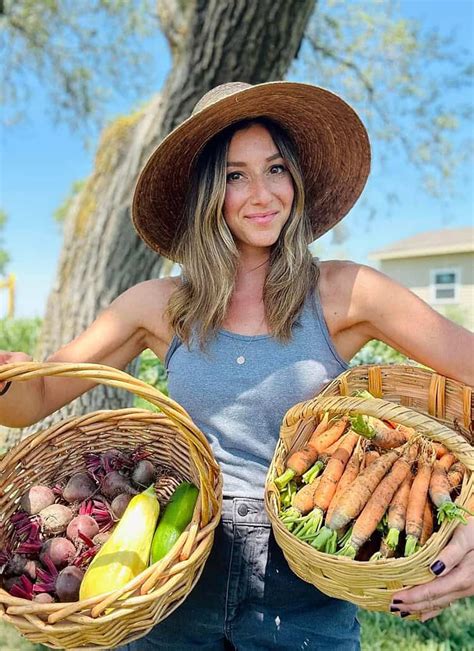
Nothing beats the excitement of picking a ripe tomato or pulling a carrot from the ground that they’ve cared for. This direct experience connects their effort to a tangible reward. Let them wash and prepare their harvest directly from the garden, emphasizing freshness.
From Garden to Kitchen: Culinary Adventures
Simple Cooking Tasks for Little Chefs
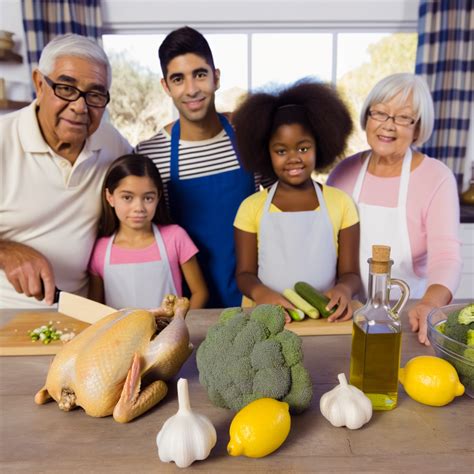
Once the produce is harvested, involve them in preparing it. Start with simple tasks appropriate for their age: washing vegetables, tearing lettuce for a salad, stirring ingredients, or mashing avocados. Emphasize safety and good hygiene.

Creative Recipes and Tasting Parties
Encourage them to help choose recipes that highlight their garden bounty. Simple salads, homemade pizzas with garden toppings, vegetable skewers, or fresh fruit tarts can be incredibly appealing. Host ‘tasting parties’ where they can try new vegetables and talk about their flavors and textures. The pride of eating something they grew and helped prepare is immense.
Beyond the Plate: Lasting Lessons
Understanding Food Cycles and Sustainability
Use the garden as a living classroom to discuss where food comes from, the role of pollinators, and the importance of healthy soil. Teach them about composting kitchen scraps to enrich the garden, closing the loop on a sustainable food system.

The Health and Wellness Connection
Subtly educate them on the health benefits of fresh fruits and vegetables. When kids have invested in growing food, they are often more willing to try and enjoy it, naturally gravitating towards healthier choices.
The garden-to-table journey is a rich, multi-sensory experience that extends far beyond the kitchen. By involving children at every stage, from planting the first seed to savoring the final dish, you’re not just growing food; you’re nurturing a lifelong appreciation for nature, healthy eating, and the incredible satisfaction of creating something with their own hands.