


Practical ways to involve kids in garden-to-table family meals?
Involving children in the journey from garden to table is more than just a fun activity; it’s a powerful way to teach them about healthy eating, responsibility, and the natural world. It can transform picky eaters into enthusiastic food explorers and create cherished family memories. Here are practical ways to get your kids, no matter their age, excited about growing and eating their own food.
Growing Together: Nurturing Nature’s Bounty
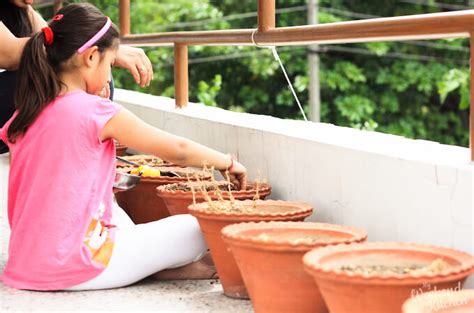
The garden is the perfect classroom. Start by letting kids choose what to plant, perhaps vibrant cherry tomatoes, easy-to-grow snap peas, or colorful radishes. Assign them simple, age-appropriate tasks like watering seedlings, weeding a designated patch, or gently picking ripe produce. Even the smallest hands can help dig holes for seeds or transfer young plants. Make it a routine, checking the garden together daily to observe growth and look for ready-to-harvest treasures.

Emphasize the concept of patience and the reward of nurturing life. Discuss where food comes from, showing them how tiny seeds transform into delicious fruits and vegetables. When it’s harvest time, celebrate their success! Let them be the official harvesters, carefully gathering the fruits (and veggies) of their labor.
Kitchen Helpers: From Harvest to Healthy Dish
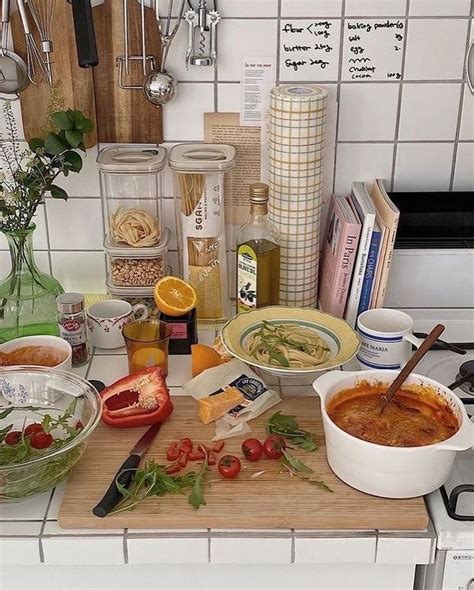
Once the produce is gathered, the kitchen becomes the next exciting stage. Involve children in washing vegetables, tearing lettuce for salads, or stirring ingredients. Older kids can help with measuring, simple chopping (with supervision and child-safe knives), or even creating their own salad dressings or herb mixes. Turn cooking into a game: a ‘chopping competition’ (who can chop the most celery safely), or a ‘taste test’ of raw ingredients before they’re cooked.

Encourage them to contribute ideas for meals. If they grew zucchini, ask them how they’d like to eat it. This gives them ownership over the menu and makes them more likely to try new foods. Simple recipes are best to start, like homemade pizzas topped with garden veggies, fresh salads, or roasted vegetables with herbs they picked.
Setting the Scene: Meaningful Mealtimes
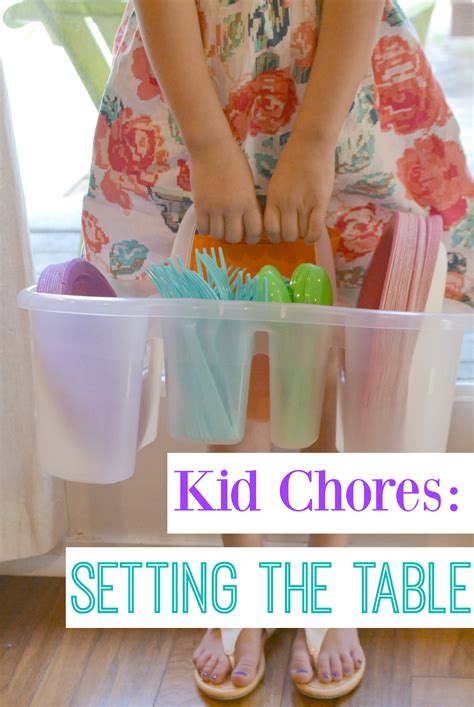
The final step is enjoying the meal together. Let kids help set the table, perhaps even decorating it with a small bouquet of garden flowers or herbs. During dinner, talk about the food. Ask questions like, “Remember when we planted those tomatoes?” or “Who helped pick these beans today?” This reinforces the connection between their efforts and the delicious meal on the table.

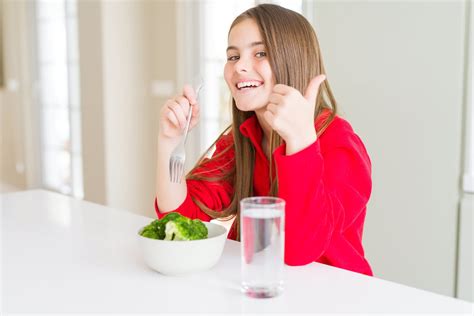
This dialogue makes mealtime more than just eating; it becomes a story of their hard work and participation. Even if a child only ate one bite of a new vegetable they helped grow, acknowledge and praise their effort. Small steps lead to big changes.
Spice It Up: Creative Engagement Ideas
- Theme Nights: Declare a ‘Garden Pizza Night’ where everyone designs their own pizza with garden toppings, or a ‘Harvest Soup Day’ using seasonal produce.
- Taste Tests: Blindfold them and have them guess different herbs or vegetables, or compare the taste of store-bought vs. garden-grown.
- Mini Garden Journals: Encourage them to draw what they’ve planted, how it grows, and their favorite recipes.
- Kitchen Scrap Gardening: Teach them to regrow celery bottoms or spring onions in water, showing the lifecycle of plants even without a full garden.

Nurturing Patience and Curiosity
Understand that not every plant will thrive, and not every child will instantly love every vegetable. The goal is exposure, experience, and building a positive relationship with food. Celebrate small victories and view setbacks as learning opportunities. The patience learned from waiting for a seed to sprout, and the satisfaction of eating something you helped create, are invaluable life lessons.

By involving children in the entire garden-to-table process, you’re not just feeding them healthy food; you’re nurturing their curiosity, fostering a sense of accomplishment, and creating lasting family traditions around good food and shared experiences. It’s an investment in their health, their understanding of the world, and your family’s bond.