
Practical ways to involve kids in gardening & real food prep?

In an age dominated by screens and processed foods, reconnecting children with the natural world and the origins of their meals is more important than ever. Involving kids in gardening and real food preparation isn’t just about growing vegetables or cooking dinner; it’s about nurturing curiosity, teaching responsibility, building healthy habits, and creating lasting family memories. It empowers them to make informed food choices and appreciate the effort that goes into a healthy meal.
Why Involve Kids in the Garden and Kitchen?
Engaging children in these activities offers a wealth of benefits. For starters, it can significantly broaden their palates, making them more adventurous eaters when they’ve had a hand in growing or preparing food. It teaches them about where food comes from, fostering an appreciation that store-bought produce often lacks. Beyond nutrition, it develops fine motor skills, teaches patience, problem-solving, and basic science concepts like plant life cycles and fermentation. Moreover, gardening and cooking together provide invaluable opportunities for family bonding and communication, creating a positive and educational environment.

Getting Started in the Garden with Little Ones
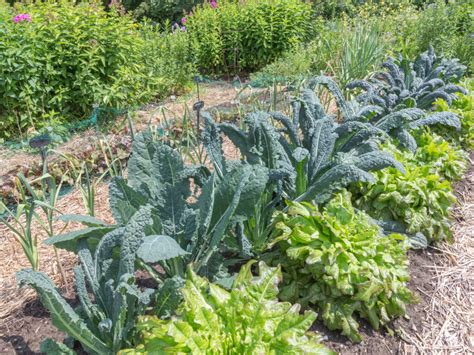
You don’t need a sprawling backyard to get started. Even a small balcony or a sunny windowsill can become a vibrant learning space. The key is to make it accessible and exciting for children.
Choose Kid-Friendly Plants and Projects
- Easy Growers: Start with seeds that germinate quickly and show results fast, like radishes, lettuces, sunflowers, snap peas, or bush beans. Herbs like mint and basil are also very forgiving.
- Container Gardens: If space is limited, pots, window boxes, or even repurposed containers can host a mini-garden. Let your child decorate their chosen pot.
- Fun Shapes and Colors: Opt for colorful vegetables like cherry tomatoes, purple beans, or striped gourds to capture their imagination.
Assign Age-Appropriate Tasks
Even toddlers can help! Give them their own small watering can, kid-sized gloves, and a trowel. As they grow, tasks can evolve:
- Toddlers (1-3 years): Watering (with supervision), picking large ripe berries, digging in soft soil.
- Preschoolers (3-5 years): Planting large seeds, raking leaves, gentle weeding, harvesting easy-to-pick vegetables.
- School-Aged (6+ years): Planning a small garden plot, transplanting seedlings, identifying weeds, composting, understanding pest control.
Bringing Kids into the Kitchen for Real Food Prep
The kitchen is another fantastic classroom. Involving kids in meal preparation not only teaches them essential life skills but also empowers them to make healthier food choices and appreciate the meals they eat.
Start with Simple, Safe Tasks
Safety is paramount, so always supervise closely and match tasks to skill levels.
- Toddlers (1-3 years): Washing fruits and vegetables, stirring cold ingredients, tearing lettuce for salads.
- Preschoolers (3-5 years): Mashing soft ingredients (avocado, bananas), kneading dough, measuring dry ingredients, cutting soft foods with a butter knife or special safety knife.
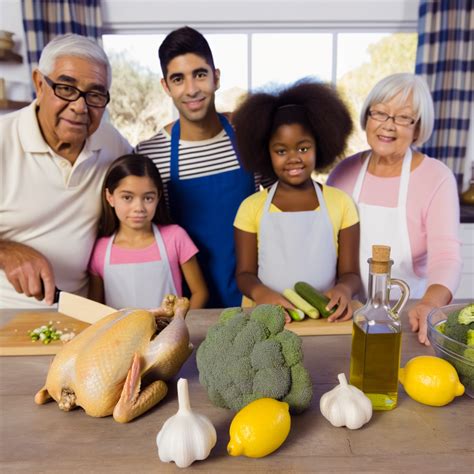
- School-Aged (6+ years): Cracking eggs, grating cheese, peeling vegetables with a peeler, mixing ingredients, reading simple recipes, using a blunt knife for chopping with supervision.
Cook Together: From Garden to Plate
Bridge the gap between gardening and cooking by preparing meals with your homegrown produce. This direct connection reinforces the value of their efforts.
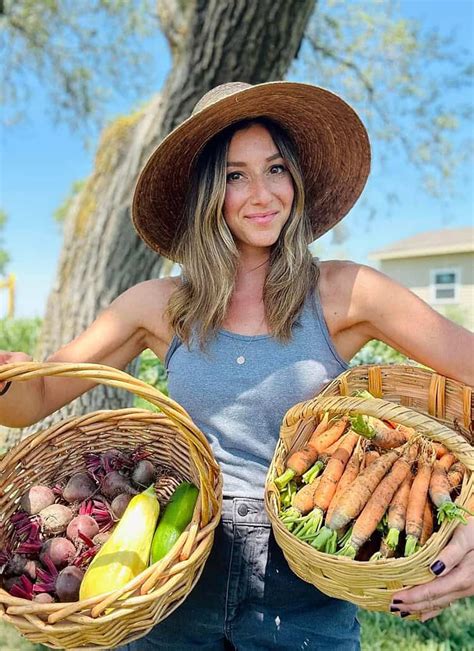
- Harvest & Cook Day: Designate a day to harvest fresh ingredients from the garden and immediately turn them into a meal.
- Simple Recipes: Opt for recipes that are easy to follow and have visible steps, such as homemade pizzas, fruit salads, smoothies, or simple baked goods.
- Recipe Ownership: Let your child choose a recipe they want to try, or give them choices for ingredients.

Making it Fun and Educational
Learning happens best when it’s enjoyable. Incorporate playful elements into both gardening and cooking.
- Garden Games: Play ‘I Spy’ for insects, have a ‘weed pulling’ race, or challenge them to find the biggest leaf or the brightest flower.
- Taste Tests: Blind taste-test different varieties of homegrown tomatoes or herbs.
- Story Time: Read books about gardening, farming, and healthy eating to inspire them further.
- Kitchen Experiments: Explain why yeast makes bread rise, or how different ingredients combine to create new flavors.

Tips for Success and Patience
- Be Patient: Kids might make a mess, break a plant, or drop an ingredient. See these as learning opportunities, not failures.
- Lead by Example: Show enthusiasm for gardening and healthy eating yourself.
- Celebrate Small Wins: Praise their efforts, no matter how small. Point out the first sprout or the perfectly chopped veggie.
- Don’t Force It: If they’re not in the mood, don’t push too hard. Make it an invitation, not a chore.
- Safety First: Always prioritize safety in both the garden (sun protection, appropriate tools) and the kitchen (knife safety, hot surfaces).

Conclusion
Involving children in gardening and real food preparation is a gift that keeps on giving. It’s an investment in their health, their education, and their connection to the world around them. By transforming these essential activities into enjoyable family endeavors, you’re not just growing food; you’re cultivating curious minds, capable hands, and a lifelong appreciation for nourishing, wholesome living.