Practical ways to preserve abundant garden vegetables without canning?
Embracing the Bountiful Harvest Without the Pressure Cooker
There’s immense joy in a flourishing garden, but the abundance can quickly turn into a race against spoilage. While traditional canning offers a time-honored solution, it’s not the only path to preserving your hard-earned bounty. For those seeking simpler, less equipment-intensive, or even raw food preservation methods, a world of options awaits. From quick fixes to long-term storage, these practical techniques will help you enjoy your garden’s goodness long after the season ends, all without the need for a pressure canner or boiling water bath.
Freezing: The Go-To for Many Garden Staples
Freezing is arguably the easiest and most versatile method for preserving a wide array of vegetables. Most vegetables benefit from blanching (a quick dip in boiling water followed by an ice bath) before freezing to halt enzyme action, which can cause loss of flavor, color, and texture. Leafy greens like spinach and kale, broccoli, corn, peas, green beans, and bell peppers all freeze beautifully. Simply blanch, cool, pat dry, and spread on a baking sheet to flash freeze before transferring to freezer bags or containers. This prevents them from clumping together, making it easy to grab just what you need.

Drying and Dehydration: Concentrating Flavors and Nutrients
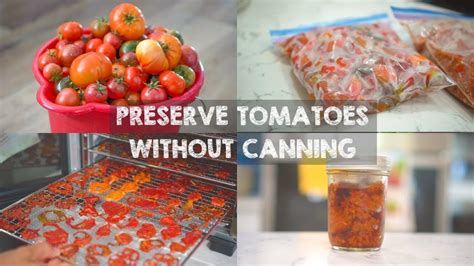
Drying is an ancient preservation method that removes moisture, inhibiting microbial growth. This process concentrates flavors and nutrients, resulting in intensely flavored ingredients perfect for soups, stews, and snacks. Herbs like basil, oregano, and thyme are excellent candidates for air drying. Vegetables such as tomatoes, zucchini, carrots, and bell peppers can be dehydrated using a food dehydrator or even a low-temperature oven. Once completely dry and brittle, store them in airtight containers in a cool, dark place. Remember that rehydrating dried vegetables typically requires soaking them in water before use.
Fermentation: The Art of Living Preserves
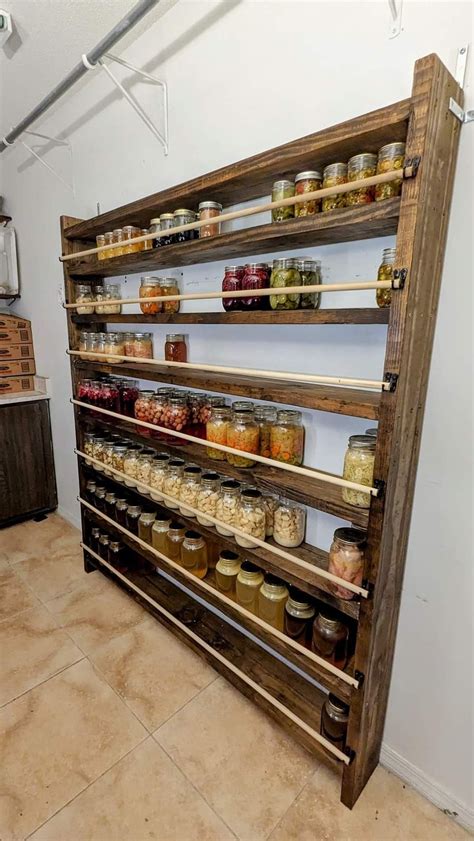
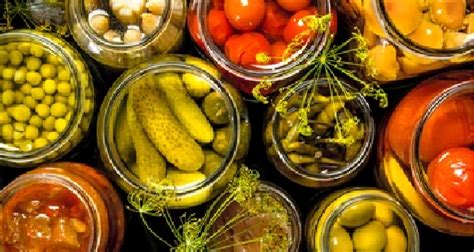
Fermentation is a fantastic way to preserve vegetables while also enhancing their nutritional value and creating unique, tangy flavors. This process involves beneficial bacteria converting sugars into lactic acid, which acts as a natural preservative. Sauerkraut, kimchi, and lacto-fermented pickles are popular examples. Cabbage, cucumbers, carrots, and green beans are all excellent choices for fermentation. All you need are vegetables, salt, water, and a clean jar. The resulting probiotics are great for gut health, and the preserves can last for weeks or even months in the refrigerator.

Quick Pickling and Vinegar Preserves: Tangy and Ready Fast
Unlike traditional canning, quick pickling (often called refrigerator pickling) doesn’t involve heat processing for shelf stability, making it simpler and faster. Vegetables like cucumbers, carrots, onions, radishes, and bell peppers can be submerged in a brine of vinegar, water, salt, sugar, and various spices. These pickles are ready to eat within a few days and must be stored in the refrigerator, where they typically last for several weeks. This method is perfect for small batches and immediate gratification, adding a zesty crunch to meals.
Cool Storage and Root Cellaring: Nature’s Refrigerator
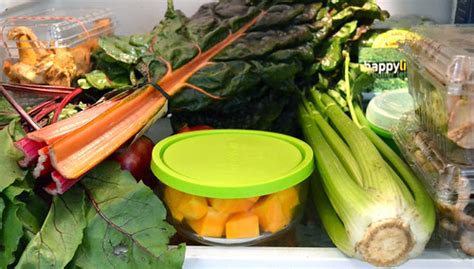
For certain root vegetables and hearty produce, a cool, dark, and humid environment can extend their life for months. If you don’t have a traditional root cellar, a cool basement, an unheated pantry, or even a garage can serve a similar purpose. Vegetables like potatoes, carrots, beets, onions, winter squash, and apples thrive in these conditions. Ensure good air circulation and check regularly for any signs of spoilage. Storing root vegetables in damp sand or sawdust can also help maintain moisture and prevent shriveling.
Making and Freezing Sauces, Pastes, and Pestos
Transforming your vegetables into delicious sauces, pastes, or pestos is another excellent preservation strategy. Excess tomatoes can become a rich pasta sauce or roasted tomato paste, which can then be frozen in convenient portions. Bell peppers can be roasted, pureed, and frozen into flavorful pastes. Abundant basil can be turned into pesto (without cheese, if freezing for longer periods) and frozen in ice cube trays or small containers. These ready-to-use bases simplify future meal preparations and capture the fresh taste of your garden.
Preserving your garden’s bounty without canning opens up a world of culinary possibilities, making your harvest last longer with minimal effort. Experiment with these methods to find what works best for your produce and your lifestyle, ensuring you can savor the taste of your garden year-round.