Practical ways to teach kids homestead skills daily?

Cultivating Little Homesteaders: Why Daily Skills Matter
In an increasingly digital world, teaching children practical homesteading skills offers invaluable lessons in self-sufficiency, responsibility, and connection to the natural world. These aren’t just skills for rural living; they are foundational life skills that empower kids, build confidence, and foster a deeper appreciation for where their food comes from and how things work. The good news is, you don’t need acres of land to start; many essential homestead skills can be seamlessly woven into daily family life, no matter your living situation.
Start in the Garden: Cultivating Green Thumbs
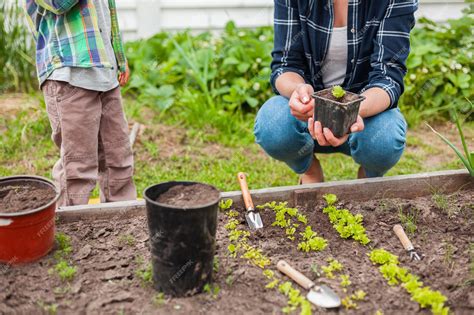
Gardening is perhaps the most iconic homesteading skill, and it’s wonderfully hands-on for kids. Even a small container garden on a balcony can provide rich learning experiences.
- Daily Watering & Observation: Assign children the task of watering specific plants. Encourage them to observe growth, identify pests, or notice changes. This builds routine and observation skills.
- Seed Starting & Planting: Involve them in planting seeds, whether directly into the ground or starting indoors. The magic of a seed sprouting is a powerful lesson in patience and life cycles.
- Harvesting: Let them pick ripe vegetables or fruits. There’s immense satisfaction in eating something they helped grow.
- Composting: Set up a small compost bin and teach them what scraps can go in. It’s a fantastic lesson in waste reduction and nutrient cycling.
Kitchen Classroom: From Farm to Table
The kitchen is a natural hub for homesteading education, connecting directly to the garden’s bounty.
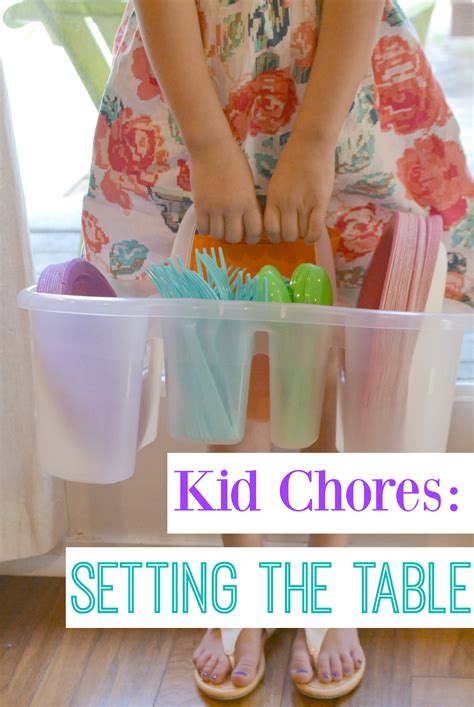
- Meal Prep & Cooking: Involve kids in age-appropriate tasks like washing vegetables, stirring ingredients, setting the table, or kneading dough for homemade bread. Simple recipes can become daily routines.
- Food Preservation Basics: Even if you’re not full-on canning, teach them about freezing excess produce, making jam, or drying herbs. These are accessible entry points to food preservation.
- Baking from Scratch: Making bread, cookies, or muffins from basic ingredients teaches about measurements, chemical reactions, and the joy of homemade food.
- Washing Up: Assign daily dish-washing or drying duties. It’s a fundamental aspect of kitchen management.

Caring for Creatures: Responsibility and Empathy
Whether you have pets, backyard chickens, or simply observe local wildlife, animal care teaches vital lessons.
- Pet Responsibilities: If you have pets, involve children in their daily feeding, watering, and cleaning routines. This teaches consistent care and empathy.
- Chicken Chores (if applicable): Collecting eggs, refilling water, and checking on the flock can be a daily highlight and a direct connection to food production.
- Observing Nature: Even without animals, encourage daily observation of birds, insects, or squirrels in your yard or local park. Understanding ecosystems is a core homesteading value.

Resourcefulness and Repair: Life Skills for Little Hands
Homesteading is all about making do and repairing what you have.
- Basic Home Maintenance: Involve them in simple tasks like sweeping floors, tidying up, or helping with minor repairs (e.g., holding a flashlight, sorting tools).
- Mending & Repair: Teach basic sewing skills like stitching a button or mending a tear. This promotes resourcefulness over immediate replacement.
- Energy & Water Conservation: Make turning off lights and conserving water a daily habit. Explain why these actions are important for the environment and household resources.
- Budgeting Basics: As they get older, involve them in simple family budgeting discussions, especially concerning food and household expenses.

Making it a Daily Habit: Integration Tips
The key to success is consistency and making these activities part of your family’s rhythm.
- Lead by Example: Children learn best by observing. If you embrace these skills, they will too.
- Make it Fun: Turn tasks into games, tell stories, or sing songs. A positive attitude is contagious.
- Age-Appropriate Tasks: Start small and gradually increase responsibilities as children grow and develop new skills.
- Patience is Key: Not every day will be perfect. There will be messes and frustration, but perseverance pays off.
- Connect the Dots: Explain the ‘why’ behind each task – why we grow food, why we save water, why we mend clothes.
By integrating these practical skills into daily life, you’re not just preparing your children for a self-sufficient future; you’re nurturing their curiosity, fostering a strong work ethic, and building cherished family memories.