Practical ways to use garden surplus in real food recipes?
Making the Most of Your Bountiful Garden Harvest
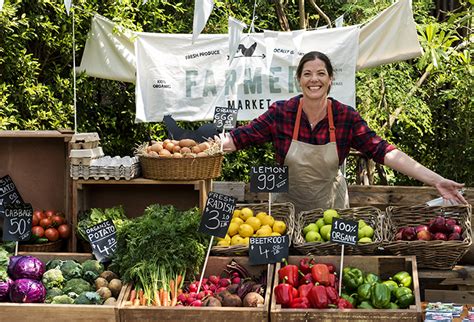
The satisfaction of a thriving garden is often matched by the delicious dilemma of what to do with a sudden bounty of fresh produce. From a glut of zucchini to an explosion of tomatoes, a garden surplus can be overwhelming if you don’t have a plan. The good news is that there are countless practical ways to incorporate your harvest into real food recipes, ensuring nothing goes to waste and you enjoy nutritious, flavorful meals year-round.

Immediate Enjoyment: Fresh & Simple Real Food Ideas
When the harvest is fresh, the simplest recipes often shine brightest. Embrace the peak flavor of your produce with minimal preparation:
- Vibrant Salads: Combine your leafy greens, cucumbers, tomatoes, bell peppers, and herbs for refreshing salads. Add grilled chicken, chickpeas, or a sprinkle of nuts for a complete meal.
- Quick Stir-fries: Most vegetables – snap peas, carrots, broccoli, kale, peppers – are excellent in a stir-fry. Sauté with a clean sauce made from tamari, ginger, garlic, and a touch of honey.
- Garden Soups & Stews: Simmer a variety of vegetables like squash, corn, beans, and potatoes into hearty soups or light broths. These are perfect for using up slightly older produce too.
- Fresh Salsas & Pestos: Tomatoes, onions, cilantro, and peppers make incredible fresh salsas. Basil, spinach, or even carrot tops can be transformed into vibrant pestos with olive oil, nuts, and garlic.
Short-Term Preservation: Extending Freshness Naturally
If you can’t eat it all immediately, short-term preservation techniques help extend the life of your produce without compromising its real food integrity:
- Blanch & Freeze: Many vegetables (broccoli, green beans, peas, corn) can be blanched briefly in boiling water, then plunged into ice water, drained, and frozen. This locks in nutrients and flavor for months.
- Roast & Puree: Roast excess tomatoes, bell peppers, or squash until tender, then puree them. These purees can be frozen in batches for sauces, soups, or baby food.
- Herb Freezing: Chop fresh herbs and freeze them in olive oil in ice cube trays. Pop them into hot pans for instant flavor.
- Refrigerator Pickles: Quick refrigerator pickles (cucumbers, carrots, onions) are a fantastic way to use up smaller quantities of vegetables and add a tangy crunch to meals.

Long-Term Storage: Real Food Preservation Methods
For a truly abundant harvest, turn to traditional long-term preservation methods that stock your pantry with real food goodness:
Canning
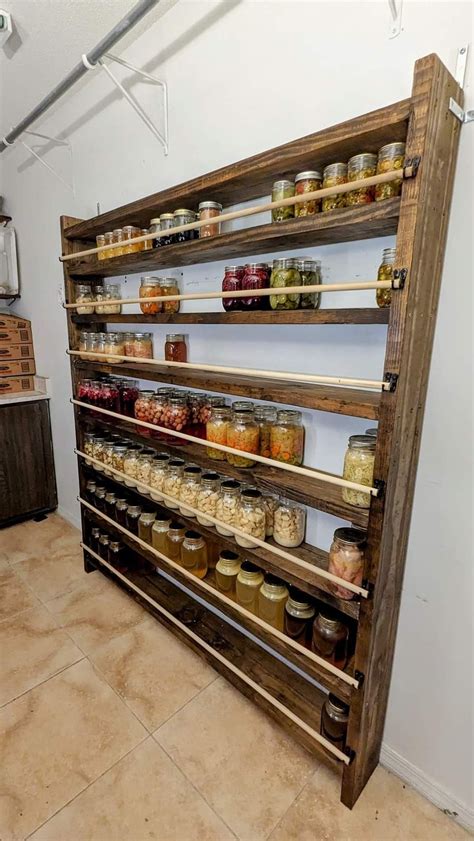
Water bath canning is ideal for high-acid foods like tomatoes, fruits, and pickled vegetables. Pressure canning is necessary for low-acid vegetables such as green beans, corn, and potatoes. Think beyond plain vegetables: canned tomato sauce, salsa, fruit jams, and pickled beans are delicious and useful additions to your pantry.
Dehydrating
A dehydrator or a low oven can transform many vegetables and fruits into shelf-stable snacks or ingredients. Dried tomatoes, apple rings, kale chips, or even ground vegetable powders for seasoning are excellent options.
Fermenting
Fermentation is a fantastic way to preserve vegetables while boosting their probiotic content. Sauerkraut from cabbage, kimchi from various greens, or lacto-fermented pickles are delicious and gut-healthy options.

Creative Culinary Uses for Large Quantities
Sometimes you just have a LOT of one thing. Get creative:
- Zucchini & Squash: Grate zucchini for breads, muffins, fritters, or freeze it for later use in baked goods. Spiralize zucchini for ‘zoodles’ as a pasta alternative. Squash can be roasted, pureed for pies, soups, or even baked into casseroles.
- Tomatoes: Beyond sauce, make tomato paste, sun-dried tomatoes, or roasted tomato soup.
- Greens (Kale, Chard, Spinach): Sauté large batches with garlic, add to frittatas, quiches, smoothies, or bake into crispy chips.
- Beans & Peas: Freeze fresh, dry them for later, or make hearty bean salads and spreads.

Meal Planning for the Garden’s Gifts
Integrate your garden’s rhythm into your meal planning. Designate specific days for processing surplus, and plan meals around what’s abundant. This not only reduces waste but also encourages seasonal eating, ensuring you enjoy the freshest and most nutrient-dense foods possible. From blanching and freezing to canning and fermenting, these practical strategies empower you to embrace your garden’s generosity and nourish your family with real food recipes all year long.