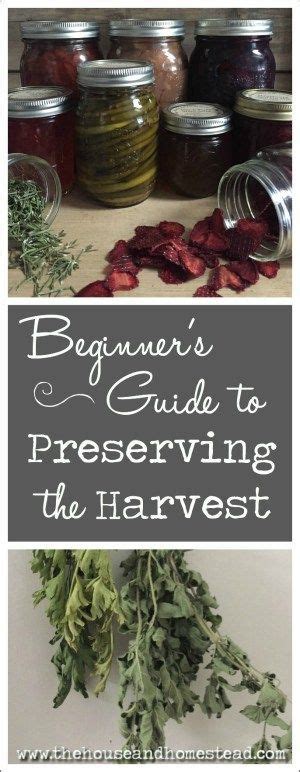





Preserving garden produce for year-round recipes?
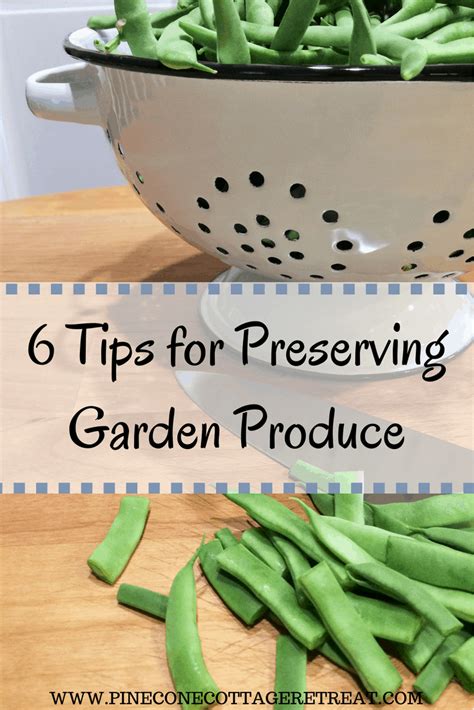
There’s immense satisfaction in harvesting fresh produce from your own garden. However, the abundance can sometimes be overwhelming, leading to waste if not managed properly. The good news is that with a little planning and effort, you can enjoy the fruits (and vegetables!) of your labor long after the growing season has ended. Preserving your garden’s bounty not only reduces food waste but also provides a ready supply of healthy, flavorful ingredients for year-round recipes.
From tangy pickles to sweet jams and perfectly frozen vegetables, the options for preservation are vast. Each method offers unique benefits and is suited to different types of produce, allowing you to tailor your approach to your specific harvest and culinary preferences. Let’s explore some of the most popular and effective techniques to keep your pantry stocked with garden goodness.
The Art of Canning: Jars Full of Flavor
Canning is a time-honored tradition that involves sealing food in airtight jars and heating them to destroy microorganisms and enzymes that cause spoilage. This method is excellent for preserving acidic foods like fruits, tomatoes, and pickled vegetables using a water bath canner. For low-acid foods such as most vegetables, meats, and poultry, a pressure canner is essential to reach higher temperatures needed for safe preservation. Imagine opening a jar of homemade tomato sauce or peach preserves in the middle of winter!
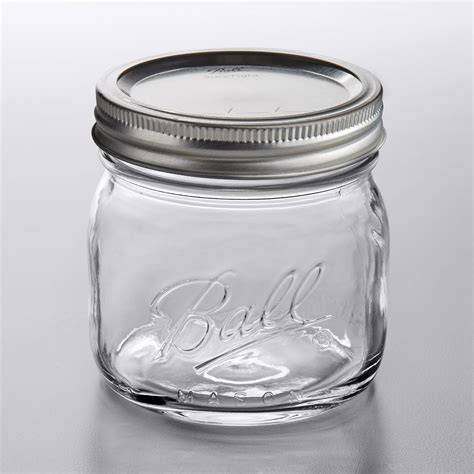
Beyond the safety aspect, canning allows you to control the ingredients, avoiding preservatives often found in store-bought options. It’s a fantastic way to create shelf-stable goods that are ready to use in countless recipes, from simple sides to complex main dishes.
Freezing: Capturing Freshness Instantly
Freezing is perhaps the simplest and quickest way to preserve many garden vegetables and fruits while maintaining their nutritional value and fresh taste. Most vegetables benefit from a quick blanching before freezing to stop enzyme action, which can degrade flavor, color, and texture over time. Fruits, on the other hand, can often be frozen raw, either whole or sliced, sometimes with a light sugar syrup or ascorbic acid to prevent browning.
Think of having bags of perfectly ripe berries for smoothies, corn kernels for soups, or green beans for casseroles, all ready to be pulled from the freezer. Proper packaging in airtight containers or freezer bags is key to preventing freezer burn and maintaining quality.

Drying and Dehydrating: Concentrating Flavors
Drying removes moisture from food, inhibiting the growth of bacteria, yeasts, and molds. This method intensifies flavors and results in lightweight, compact food items perfect for storage. Herbs, fruit leathers, sun-dried tomatoes, and even sliced mushrooms are excellent candidates for drying. You can use a food dehydrator, an oven set to its lowest temperature, or even the sun in warm, dry climates.
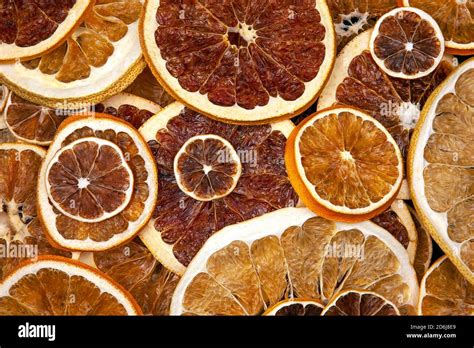
Dried produce is incredibly versatile, adding a concentrated burst of flavor to stews, sauces, teas, and snacks. It’s also an energy-efficient method compared to canning or freezing if you have access to natural drying conditions.
Pickling and Fermenting: Tangy Delights
Pickling involves preserving food in an acidic solution, typically vinegar, often with added salt, sugar, and spices. Fermentation, a similar process, uses beneficial bacteria to convert sugars into lactic acid, which acts as a preservative and creates unique flavors. Think crunchy dill pickles, spicy pickled jalapeños, or tangy sauerkraut.
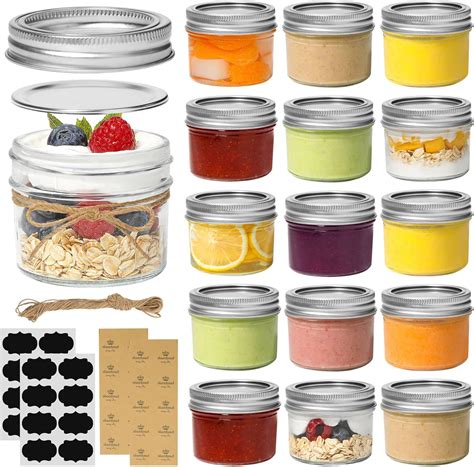
These methods not only extend the shelf life of vegetables but also introduce exciting new textures and flavors to your pantry. Pickled items are fantastic additions to sandwiches, salads, and as flavorful condiments for various meals.
Integrating Preserved Produce into Year-Round Recipes
The true magic of preserving lies in its ability to inspire year-round cooking. Imagine using your homegrown canned tomatoes for a rich pasta sauce in January, frozen berries for a vibrant summer pudding in February, or dried herbs to elevate a hearty stew in November. Preserved produce provides convenience, cost savings, and the unparalleled flavor of homemade goodness.
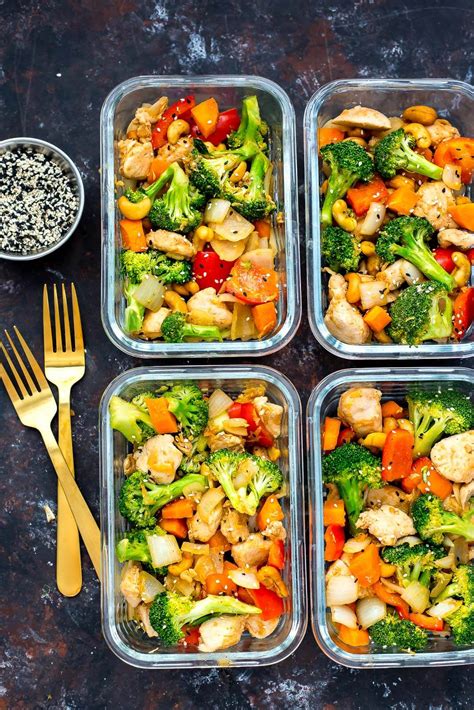
Embrace the bounty of your garden and experiment with these preservation techniques. You’ll not only enjoy fresh flavors throughout the year but also gain a deeper connection to your food and the seasons. Start small, learn the basics, and soon you’ll be a master of garden preservation, creating delicious meals from your pantry all year long.