




Preserving large tomato harvest traditionally without electricity?

For those embracing country living or striving for greater self-sufficiency, a bountiful tomato harvest presents both a blessing and a challenge. How do you safeguard this liquid gold for the colder months without the convenience of modern electrical appliances? Fortunately, our ancestors perfected numerous ingenious methods that are still highly effective today. Let’s delve into traditional techniques for preserving tomatoes off-grid, ensuring a delicious supply year-round.
The Timeless Art of Sun-Drying Tomatoes
Sun-drying is arguably one of the oldest and most energy-efficient ways to preserve tomatoes. This method concentrates their flavor, turning juicy fruits into intensely savory, chewy morsels. It requires only abundant sunshine, low humidity, and a little patience. Slice ripe tomatoes (Roma or paste varieties work best) into even pieces, about a quarter to half-inch thick. Arrange them on clean racks or screens, ensuring good air circulation. Protect from insects with cheesecloth. Turn them periodically, and bring them indoors at night to protect from dew. Depending on your climate, this process can take anywhere from a few days to two weeks until they are leathery and pliable, not brittle.

Lacto-Fermentation: A Savory Comeback
Fermentation is a fantastic way to preserve tomatoes while also enhancing their nutritional value and creating complex flavors. While often associated with sauerkraut, tomatoes can be lacto-fermented successfully. Dice or quarter your tomatoes and pack them into clean jars with a brine solution (typically 2-3 tablespoons of non-iodized salt per quart of non-chlorinated water). You can add herbs, garlic, or peppers for extra flavor. Ensure the tomatoes are fully submerged under the brine, using a fermentation weight if necessary. Seal loosely to allow gases to escape, and let them ferment at cool room temperature for 5-14 days. Once fermented to your liking, store them in a cool, dark place or a root cellar for extended preservation.
Canning with Traditional Heat Sources
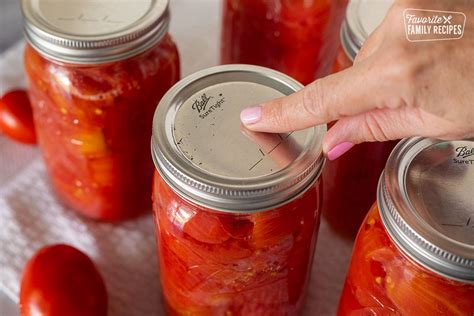
While modern canning often involves electric stovetops or pressure canners, the underlying principle – applying heat to create a vacuum seal – remains ancient. To can tomatoes without electricity, you’ll need a large pot (canner), glass jars, lids, rings, and a reliable heat source like a wood-fired stove, an outdoor rocket stove, or even an open fire. Prepare your tomatoes as usual for crushing, dicing, or whole packing. Heat your water in the canner using your chosen traditional method. Once simmering, process your filled jars in a boiling water bath according to standard canning times for tomatoes, ensuring proper acidity and seal. This method demands careful attention to safety and sterilization but is highly effective for long-term storage.
Making and Preserving Rich Tomato Paste or Sauce
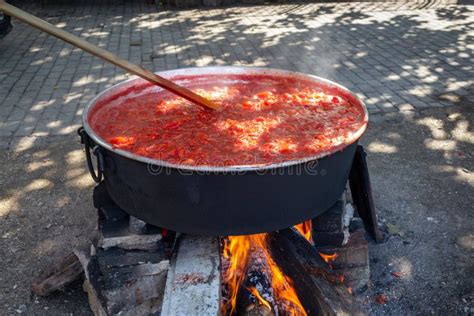
Reducing tomatoes into a concentrated paste or sauce is an excellent way to capture their essence. This process typically involves slow cooking the tomatoes until much of their water content has evaporated. On a wood stove or over a low fire, gently simmer large batches of crushed tomatoes for several hours, stirring frequently to prevent scorching. Once the desired consistency is reached (thick paste or sauce), you have a few options for preservation without electricity. The paste can be further sun-dried into “tomato leather” or packed into jars and processed using the traditional canning method described above. Another method for paste is to pack it tightly into crocks, pour a layer of olive oil on top to create a seal, and store in a cool cellar.
Root Cellar Storage and Other Short-Term Solutions
While not for long-term preservation of processed tomatoes, a well-maintained root cellar or cool, dark pantry can extend the life of fresh, whole tomatoes. Late-season, perfectly ripe tomatoes with firm skins can be stored individually, often wrapped in paper or nestled in peat moss or sawdust, to prevent contact and slow ripening. Check regularly for spoilage. Another ancient technique involves burying whole, ripe tomatoes in dry sand – the cool, dark, and slightly humid environment of a cellar combined with the sand helps maintain their freshness for several weeks, sometimes even months, depending on the variety and storage conditions.
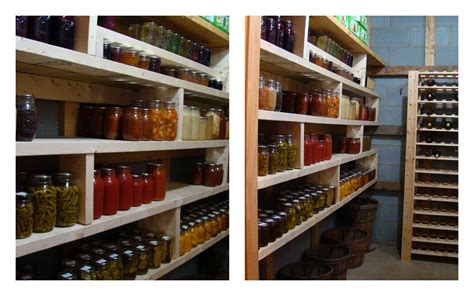
Preserving a large tomato harvest without electricity connects you directly to the traditions of self-sufficiency and resourcefulness. Each method offers a unique flavor profile and utility, providing not just food but also a profound sense of accomplishment. Experiment with these techniques to find what works best for your climate, resources, and taste preferences, ensuring your pantry is stocked with the vibrant taste of summer all year long.