
Preserving summer tomatoes: Simple, safe methods without a pressure canner?
Embracing the Summer Tomato Harvest
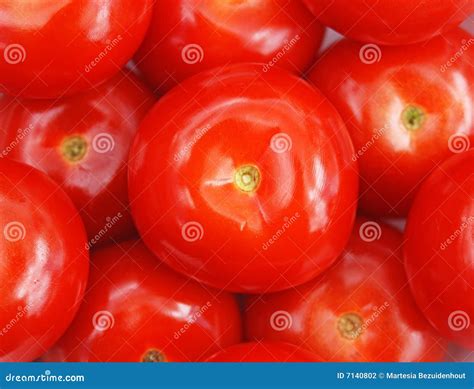
The peak of summer brings an unparalleled joy for gardeners and food enthusiasts alike: an abundance of ripe, juicy tomatoes. From sweet cherry varieties to robust beefsteaks, these garden gems are a seasonal delight. However, the fleeting nature of their prime often leaves us wishing for a way to extend their fresh flavor into the colder months. The good news is, you don’t need a pressure canner to safely preserve summer tomatoes. With a few simple techniques, you can enjoy that sun-ripened taste all year long.
Water Bath Canning: Your Go-To for Tomatoes
While often mistakenly grouped with low-acid vegetables that require a pressure canner, most tomatoes are sufficiently acidic for water bath canning when proper steps are followed. The key is to ensure adequate acidity. Always add a small amount of bottled lemon juice or citric acid to your tomatoes before canning, regardless of whether you’re canning whole, diced, crushed, or as a sauce. This step is crucial for safety, as even seemingly acidic tomatoes can vary in pH.
Preparing for Water Bath Canning
Start by selecting firm, blemish-free tomatoes. Wash them thoroughly. Many recipes call for blanching and peeling tomatoes, especially for whole or diced varieties, as this improves texture and reduces spoilage. Core your tomatoes, and then chop, crush, or leave them whole as per your recipe. Hot pack your tomatoes into sterilized jars, leaving appropriate headspace, and then add your chosen acidifier (1 tablespoon bottled lemon juice or 1/4 teaspoon citric acid per pint; 2 tablespoons lemon juice or 1/2 teaspoon citric acid per quart).

Freezing Tomatoes: The Easiest Method
If time is short or you prefer a minimal-fuss approach, freezing is your best friend. This method requires virtually no special equipment beyond freezer-safe bags or containers. You can freeze tomatoes whole, sliced, diced, or even pureed. For whole tomatoes, simply wash and core them, then place them on a baking sheet to freeze individually before transferring to a freezer bag. This prevents them from sticking together, allowing you to grab just what you need later.
Uses for Frozen Tomatoes
Frozen tomatoes are perfect for cooking. They don’t retain the firm texture of fresh tomatoes, making them ideal for sauces, soups, stews, chili, and casseroles. When thawed, their skins will slip off easily, making peeling a breeze. Simply drop them into your simmering pot straight from the freezer.

Drying Tomatoes: Concentrated Flavor
Drying tomatoes concentrates their rich, sweet flavor, making them a delicious addition to many dishes. You can use a food dehydrator or even your oven on a low setting (around 140-170°F or 60-77°C) with the door slightly ajar to allow moisture to escape. Slice tomatoes about 1/4 to 1/2 inch thick, remove excess seeds if desired, and arrange them on drying racks or parchment-lined baking sheets. Drying can take several hours, even overnight, until they are leathery but not brittle.
Storing Dried Tomatoes
Once completely dry and cooled, store your sun-dried (or oven-dried) tomatoes in airtight containers in a cool, dark place. For longer storage, they can be packed in olive oil in the refrigerator, ensuring they are fully submerged. Dried tomatoes are fantastic in salads, pasta dishes, omelets, and bread.

Beyond Whole Tomatoes: Sauces and Purees
Preserving tomatoes doesn’t stop at the whole fruit. You can transform your harvest into delicious sauces, purees, and even pastes. These cooked products can then be preserved either by freezing or by water bath canning. When canning sauces or purees, remember the critical step of adding lemon juice or citric acid to ensure proper acidity for water bath processing. Follow tested recipes precisely for processing times specific to your altitude and jar size.

Essential Safety Tips for Home Preservation
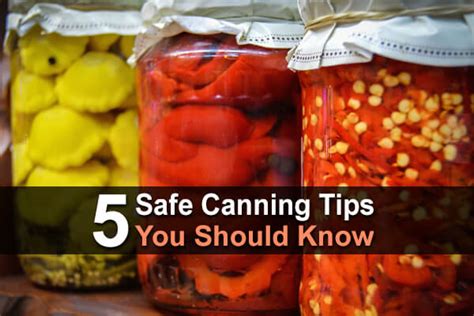
Regardless of the method you choose, food safety is paramount. Always use tested recipes from reliable sources (like university extension offices or reputable canning guides). For water bath canning, ensure jars and lids are clean and properly prepared. Check seals after canning; any unsealed jars should be reprocessed or refrigerated and consumed promptly. When freezing or drying, ensure products are properly cooled and stored to prevent spoilage. By following these simple guidelines, you can safely enjoy the taste of summer tomatoes long after the season ends, adding a burst of garden freshness to your meals throughout the year.