

Prevent blossom end rot in homegrown heirloom tomatoes naturally?

Blossom end rot (BER) is a common and frustrating affliction for many tomato growers, particularly those cultivating delicate heirloom varieties. This physiological disorder manifests as a dark, sunken lesion on the blossom end of the fruit, typically appearing when the tomatoes are still green or just beginning to ripen. While it often looks like a disease, BER is not caused by a pathogen but by a localized calcium deficiency within the developing fruit, usually exacerbated by inconsistent moisture levels in the soil.
Understanding Blossom End Rot
Though calcium is usually abundant in most garden soils, the issue isn’t always a lack of calcium itself, but rather the plant’s inability to transport it efficiently to the rapidly growing fruit. Heirlooms, with their often larger and faster-growing fruits, tend to be more susceptible to this problem. Factors like fluctuating soil moisture, extreme temperatures, root damage, and rapid vegetative growth can all interfere with calcium uptake and translocation, leading to BER.
The Root Causes: More Than Just Calcium
To truly prevent BER naturally, we must address the underlying causes that impede calcium availability and absorption. It’s a holistic approach, focusing on creating optimal growing conditions rather than just a quick fix.
1. Consistent Watering is Key
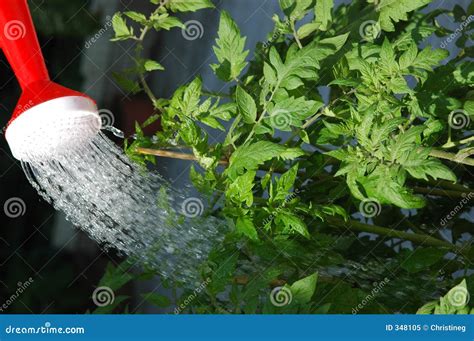
Inconsistent moisture is arguably the single biggest contributor to blossom end rot. Periods of drought followed by heavy watering stress the plant, making it difficult for calcium to move from the soil through the roots and into the fruits. Aim for deep, consistent watering, especially during fruit set and development. Avoid letting the soil dry out completely between waterings.
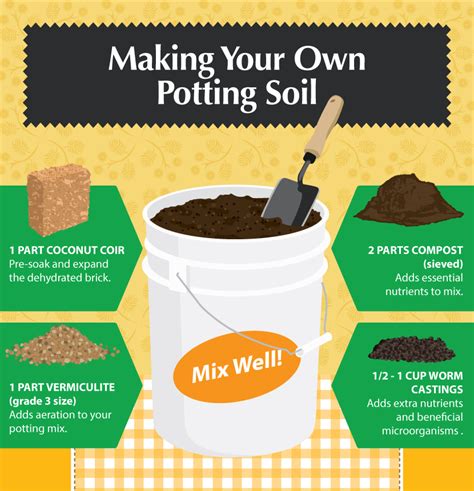
2. Amend Your Soil Wisely
While often not the primary cause, ensuring adequate calcium in the soil is a good baseline. Start with a soil test to understand your current nutrient levels and pH. If calcium is truly low, or your pH is off, natural amendments can help:
- Crushed Eggshells: A slow-release source of calcium. Mix into the soil when planting or around the base of established plants.
- Bone Meal: Provides calcium and phosphorus. Great for overall plant health.
- Gypsum: (Calcium sulfate) Can supply calcium without significantly altering soil pH, useful if your pH is already good.
- Dolomitic Lime: Provides both calcium and magnesium, but will also raise soil pH, so use only if your soil is too acidic.
It’s crucial to incorporate these amendments into the soil well before planting, as they take time to break down and become available to the plants.

3. Maintain Proper Soil pH
Tomato plants thrive in slightly acidic to neutral soil (pH 6.0-6.8). A pH outside this range can limit the plant’s ability to absorb essential nutrients, including calcium, even if they are present in the soil. A soil test will reveal your pH, allowing you to amend accordingly with natural options like compost (to buffer pH) or dolomitic lime (to raise pH in acidic soil).
4. Mulch for Moisture Retention
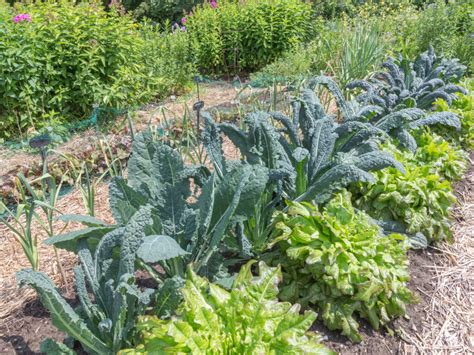
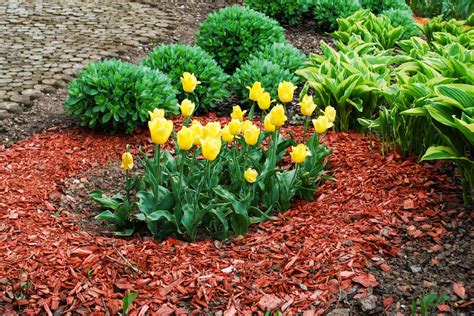
Applying a 2-4 inch layer of organic mulch (such as straw, wood chips, or shredded leaves) around your tomato plants is an excellent natural strategy. Mulch helps to suppress weeds that compete for nutrients and, more importantly, moderates soil temperature and significantly reduces moisture evaporation. This creates a more consistent soil moisture level, directly addressing a primary cause of BER.
5. Avoid Nitrogen Overload
While nitrogen is essential for leafy growth, too much nitrogen, especially in the early stages, can lead to rapid vegetative growth at the expense of fruit development. This can create an imbalance where calcium is directed to the leaves, leaving the developing fruits deficient. Use a balanced fertilizer or one with a slightly lower first number (N) if your soil is already rich in nitrogen.
6. Strong Roots and Deep Planting
Healthy, extensive root systems are better at absorbing water and nutrients. When planting tomato seedlings, bury a good portion of the stem (up to the first true leaves). Tomatoes are unique in their ability to grow roots directly from their stems, establishing a more robust root system capable of handling environmental stresses.
7. Protect from Extreme Heat
Periods of intense heat and bright sun can stress tomato plants, causing them to temporarily reduce water and nutrient uptake. If you anticipate a heatwave, consider providing temporary shade for your plants during the hottest part of the day. This can be as simple as draping a lightweight row cover or shade cloth over them.
What to Do if it Appears
If you discover fruit with blossom end rot, remove the affected tomatoes. They will not recover. Focus on implementing the preventative measures listed above for subsequent fruits. Often, BER is a problem with the first flush of fruit, and later fruits will be unaffected once the plant establishes itself and conditions stabilize.
Conclusion
Preventing blossom end rot in your prized heirloom tomatoes naturally requires patience, observation, and a commitment to creating a stable growing environment. By prioritizing consistent watering, enriching your soil with appropriate natural amendments, and providing overall good cultural care, you can significantly reduce the incidence of BER and enjoy a bountiful harvest of perfect, blemish-free heirloom tomatoes.