

Prevent blossom end rot on homegrown tomatoes naturally?

Understanding Blossom End Rot in Tomatoes
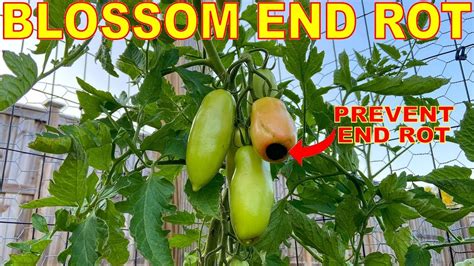
Blossom end rot (BER) is a common and frustrating problem for many home gardeners, especially when growing tomatoes. It manifests as a dark, sunken spot on the blossom end of the fruit, making it unappetizing and unusable. While often mistaken for a disease, BER is actually a physiological disorder caused by a lack of calcium in the developing fruit, not necessarily a lack of calcium in the soil itself. The primary culprits are usually inconsistent watering, fluctuating soil moisture, or root damage that impairs the plant’s ability to absorb calcium.
Fortunately, you can effectively prevent blossom end rot using a variety of natural and sustainable gardening practices. By focusing on soil health, consistent moisture, and proper plant care, you can ensure your tomato plants thrive and produce perfect, blemish-free fruit.

Consistent Watering is Key
One of the most critical factors in preventing blossom end rot is maintaining consistent soil moisture. Tomatoes need a steady supply of water to transport calcium to their developing fruits. Erratic watering – periods of drought followed by heavy irrigation – can stress the plant and disrupt calcium uptake, even if there’s plenty of calcium in the soil.
Aim to provide 1-2 inches of water per week, either through rainfall or irrigation, adjusting for your climate and soil type. Water deeply and regularly, especially during dry spells and when fruits are beginning to form. Early morning watering is generally best, allowing foliage to dry before nightfall, which helps prevent fungal issues.
Enhance Soil Health and Calcium Availability
While BER isn’t always about soil calcium levels, ensuring adequate calcium in your soil is a good foundational step. Soil testing can reveal any significant deficiencies. Naturally increasing calcium can be done by incorporating amendments like:
- Compost: Rich in organic matter, compost improves soil structure, water retention, and nutrient availability, including calcium.
- Crushed Eggshells: A slow-release source of calcium. Grind them finely and mix into the soil around your plants or add to your compost pile.
- Bone Meal: Provides calcium and phosphorus, beneficial for fruiting plants.
- Dolomitic Lime: Can raise soil pH and supply calcium and magnesium, but use only if your soil test indicates it’s needed and your pH is too low for tomatoes (ideally 6.0-6.8).
Mulch for Moisture Retention
Applying a layer of organic mulch around your tomato plants is an excellent natural strategy for preventing BER. Mulch helps regulate soil temperature, suppresses weeds, and most importantly, conserves soil moisture by reducing evaporation. This helps maintain the consistent moisture levels vital for calcium transport.
Use 2-4 inches of organic mulch such as straw, shredded leaves, or wood chips. Keep the mulch a few inches away from the main stem of the plant to prevent stem rot and pest issues. Mulching also gradually adds organic matter to the soil as it breaks down.

Avoid Root Damage and Over-Fertilization
Damaging the roots of your tomato plants can severely impair their ability to take up water and nutrients, including calcium. Be careful when weeding or cultivating around your plants. Shallow cultivation or hand-weeding is preferable to deep digging that might disturb the root system.
Over-fertilizing, particularly with high-nitrogen fertilizers, can also contribute to BER. Excessive nitrogen promotes lush leafy growth at the expense of fruit development and can outcompete calcium uptake. Use a balanced fertilizer or one slightly higher in phosphorus and potassium once fruits begin to set, and always follow package directions for application rates.
Proper Planting and Support
When planting, ensure you give your tomato plants adequate space to grow, allowing for good air circulation. Burying a portion of the stem (removing lower leaves first) encourages a stronger root system, which is better equipped to absorb water and nutrients.
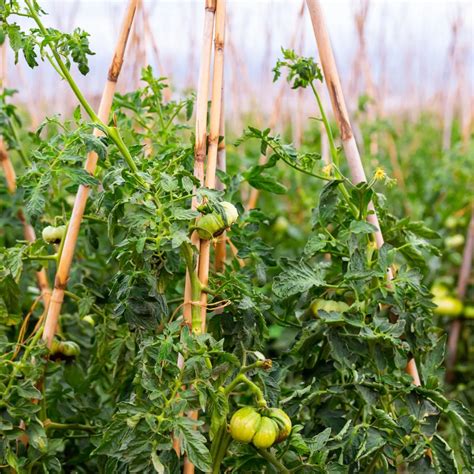
Providing sturdy support like stakes or cages keeps the fruit off the ground, improves air circulation, and reduces stress on the plant, all of which contribute to overall plant health and resilience against issues like blossom end rot. By implementing these natural methods, you’ll be well on your way to enjoying a bountiful harvest of perfect, homegrown tomatoes.