Prevent mushy homegrown vegetables: best cooking methods?

Unlock the Crispness: Cooking Homegrown Vegetables to Perfection
There’s nothing quite like the satisfaction of harvesting fresh vegetables from your own garden. The vibrant colors, the earthy aroma – it’s a culinary dream. However, that dream can quickly turn into a soggy nightmare if not cooked properly. Homegrown vegetables, often picked at peak ripeness, tend to have higher water content and more delicate cell structures than their store-bought counterparts, making them particularly susceptible to overcooking and turning mushy. The key to preserving their fresh flavor and crisp texture lies in choosing the right cooking method and mastering the art of timing.
Understanding Why Vegetables Get Mushy
Before diving into methods, it’s helpful to understand the science. Overcooking breaks down pectin, the substance that holds plant cells together, causing the vegetable to lose its structural integrity. Additionally, high water content, common in garden-fresh produce, can turn vegetables watery and limp if not handled correctly. Rapid cooking at high temperatures, or specific techniques designed to manage moisture, are often the best defense.
Top Cooking Methods for Preserving Texture
1. Roasting: The Maillard Reaction Magic
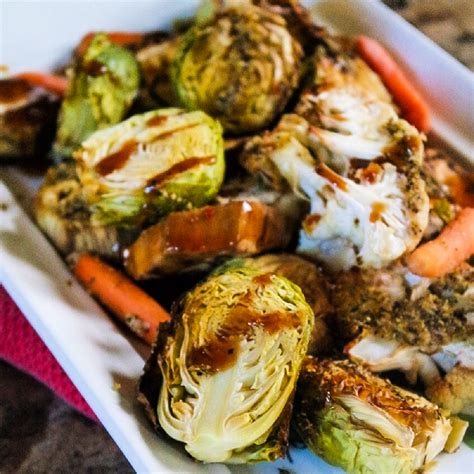
Roasting is arguably one of the best ways to bring out the natural sweetness and maintain a pleasant texture in many vegetables, especially root vegetables (carrots, potatoes, parsnips), cruciferous vegetables (broccoli, cauliflower, Brussels sprouts), and squashes. The high, dry heat of the oven encourages caramelization (the Maillard reaction) and allows excess moisture to evaporate, resulting in tender interiors and delightfully crispy, flavorful exteriors.
- Tips:
- Preheat your oven to 400-425°F (200-220°C).
- Toss vegetables with a minimal amount of oil (olive or avocado) and seasonings.
- Spread them in a single layer on a baking sheet to prevent steaming; overcrowding will lead to mushiness.
- Don’t overcook – check for fork-tenderness and golden-brown edges.
2. Stir-Frying & Sautéing: Quick, High Heat
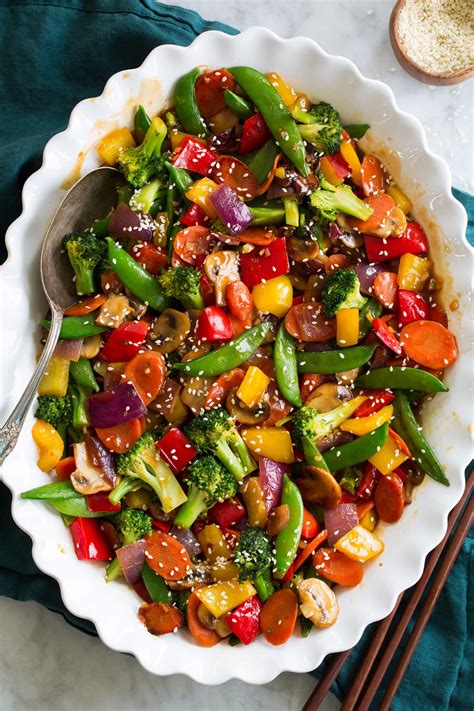
Ideal for quick-cooking vegetables like bell peppers, snap peas, green beans, leafy greens (spinach, kale), and asparagus, stir-frying and sautéing rely on high heat and constant movement to cook vegetables rapidly and evenly. This method minimizes exposure to heat, keeping the vegetables vibrant and crisp-tender.
- Tips:
- Use a wok or large skillet over medium-high to high heat.
- Ensure your pan is hot before adding vegetables.
- Cut vegetables into uniform, bite-sized pieces for even cooking.
- Work in batches if you have a large quantity to prevent overcrowding and steaming.
3. Blanching and Shocking: Lock in Color and Crispness
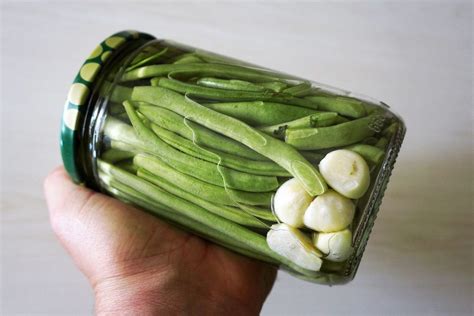
This method is excellent for green vegetables like green beans, broccoli florets, asparagus, and peas, particularly if you plan to incorporate them into salads or other dishes later. Blanching involves briefly cooking vegetables in boiling salted water, then immediately plunging them into an ice bath (shocking). This process halts the cooking, preserves their vibrant color, and maintains a firm, crisp-tender texture.
- Tips:
- Bring a pot of heavily salted water to a rolling boil.
- Prepare a large bowl of ice water beforehand.
- Cook vegetables for a short time (30 seconds to 3 minutes, depending on the vegetable) until bright green and slightly tender.
- Immediately transfer to the ice bath to stop the cooking process.
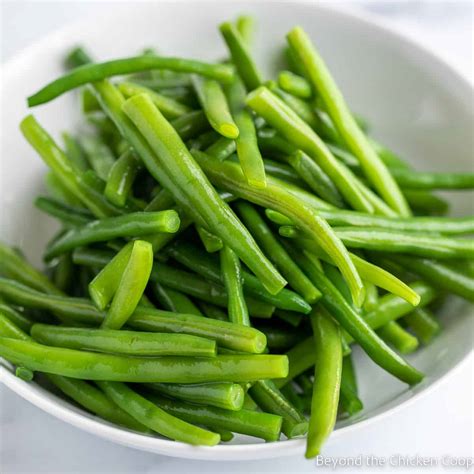
4. Grilling: Smoky Flavor, Firm Texture
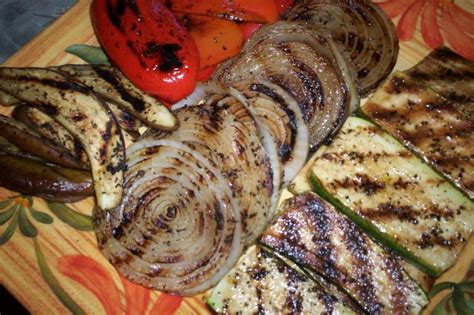
Grilling provides a fantastic smoky flavor and prevents sogginess, especially for heartier vegetables like zucchini, eggplant, bell peppers, corn on the cob, and asparagus. The direct high heat cooks vegetables quickly and creates appealing char marks while keeping them firm.
- Tips:
- Clean and preheat your grill to medium-high.
- Toss vegetables lightly with oil and seasonings.
- Lay them directly on the grates, turning occasionally until tender-crisp with good char.
5. Steaming (Carefully): Gentle and Healthy
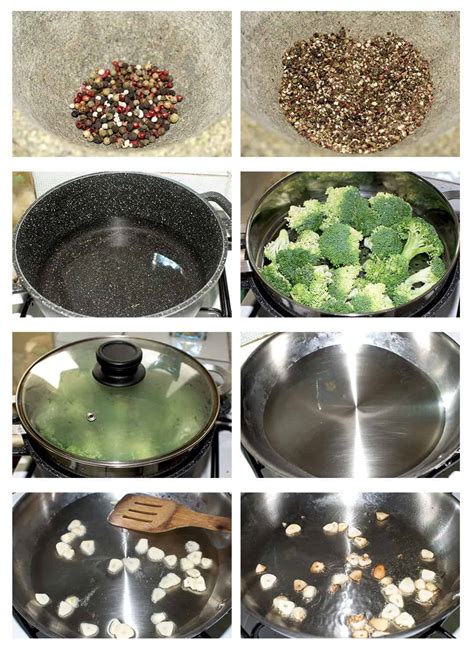
While often blamed for mushy vegetables, steaming can be a perfectly good method if executed with precision. It’s a gentle way to cook, preserving nutrients and natural flavors. The key is strict adherence to cooking times and checking for doneness frequently.
- Tips:
- Use a steamer basket over simmering water.
- Don’t let the vegetables touch the water.
- Cook just until fork-tender and bright in color, typically a shorter time than you might expect.
- Remove promptly from the heat once done.
General Tips for Success
- Don’t Overcrowd the Pan: This is a cardinal rule for roasting, stir-frying, and sautéing. Overcrowding lowers the temperature and causes vegetables to steam rather than sear, leading to sogginess.
- Season at the Right Time: Adding salt too early can draw out moisture, especially in delicate vegetables. Often, it’s best to season just before or after cooking.
- Know Your Vegetable: Different vegetables have different densities and cooking times. A carrot will take longer than a snap pea.
- Test for Doneness: Always taste a piece or use a fork to check for that ideal crisp-tender texture. Remove from heat immediately once achieved.
By understanding the characteristics of your homegrown bounty and employing these strategic cooking methods, you can consistently enjoy your garden’s harvest with perfect texture and flavor. Say goodbye to mushy vegetables and hello to crisp, vibrant culinary delights!