Preventing mushy pickles: Tips for crisp homemade dill pickles?
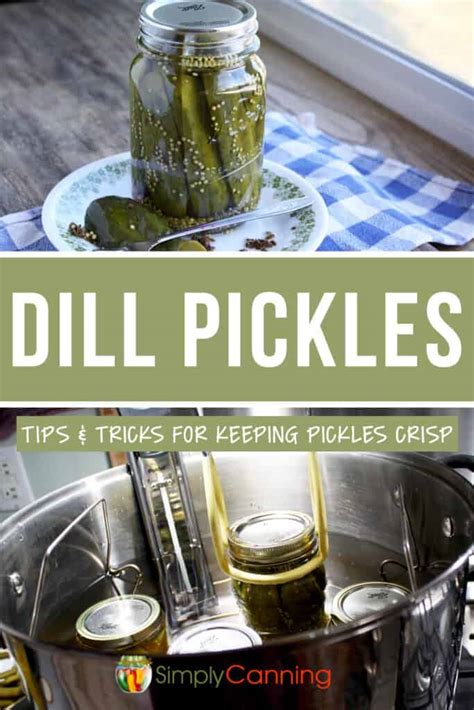
The Quest for Crispness: Why Pickles Go Soft
There’s nothing quite like a crisp, tangy dill pickle. But for many home canners, the dream of a satisfying crunch often turns into the disappointment of a soft, mushy mess. Preventing mushy pickles is a common challenge, but with a few key techniques and careful attention to detail, you can achieve consistently crisp, flavorful results. Let’s dive into the science and art of keeping your pickles firm.
Pickles can become mushy for several reasons, including using the wrong type of cucumber, incorrect brine ratios, over-processing, or even the enzymes present in the cucumber itself. Understanding and counteracting these factors is crucial for pickle perfection.
Start with the Right Cucumbers
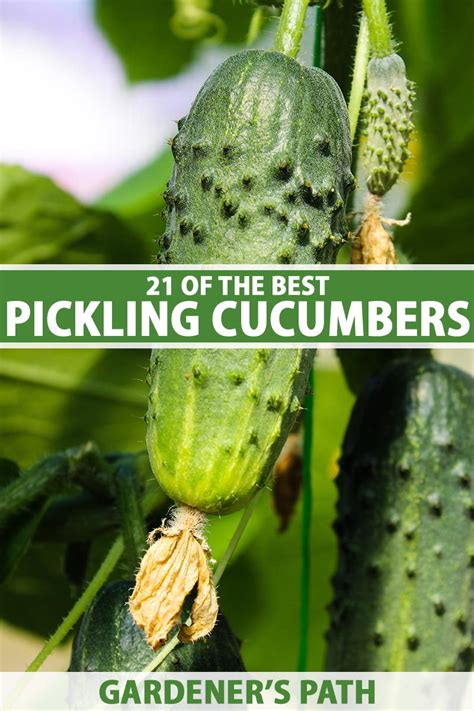
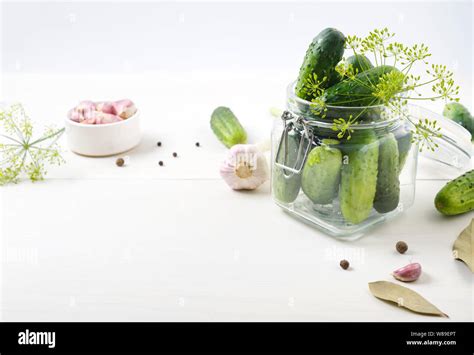
The foundation of a crisp pickle begins with the cucumber itself. Not all cucumbers are created equal for pickling. Opt for pickling cucumbers, such as Kirby or Gherkin varieties, which are specifically bred to be firm and less watery. Avoid slicing cucumbers, as they tend to have larger seeds and more moisture, making them prone to mushiness.
- Freshness is Key: Use cucumbers that are freshly picked – ideally within 24 hours. The longer they sit, the softer they become.
- Trim the Ends: The blossom end of the cucumber contains enzymes that can soften pickles. Always trim off about 1/16th of an inch from both ends before brining.
The Power of Proper Brining and Firming Agents
Brining is more than just adding flavor; it’s a critical step for preserving texture. A strong, balanced brine draws water out of the cucumbers and replaces it with a salty, acidic solution.
Brining Techniques:
- Ice Bath Shock: Before brining, give your cucumbers an ice bath for 2-4 hours. This helps firm them up significantly.
- Quality Salt: Always use pickling salt (canning salt). It’s pure sodium chloride without anti-caking agents that can cloud your brine.
- Vinegar Content: Ensure your brine has enough vinegar (at least 5% acidity). Vinegar not only adds flavor but also inhibits spoilage organisms and helps maintain crispness.
Tannins and Firming Agents:
These natural additions can make a huge difference:
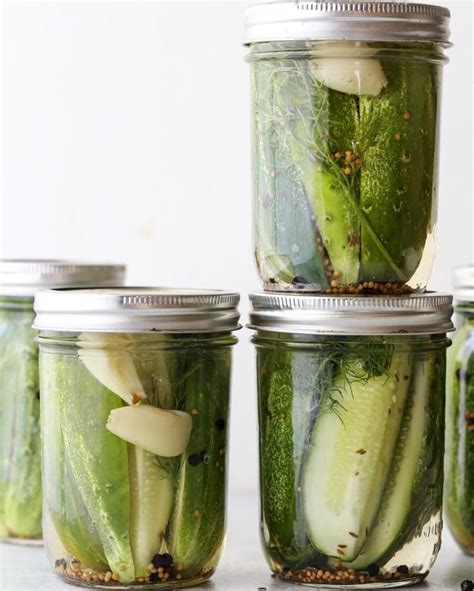
- Grape Leaves: Adding 1-2 clean grape leaves to each jar provides tannins, which inhibit softening enzymes. Oak leaves or horseradish leaves can also work.
- Pickling Lime (Calcium Hydroxide): Used for an overnight soak, pickling lime introduces calcium, which can significantly firm pickles. Follow instructions carefully and rinse thoroughly.
- Alum: A traditional firming agent, a small pinch of pickling alum (about 1/4 teaspoon per quart jar) can contribute to crispness. Use sparingly, as too much can impart a chalky flavor.
Sterilization and Processing Perfection
Proper canning methods are vital not just for safety, but also for maintaining pickle texture. Over-processing is a common culprit for mushy pickles.
- Clean Jars and Lids: Always sterilize your jars and ensure lids are new and properly sealed.
- Don’t Over-Process: Follow recommended processing times precisely. Over-heating pickles in a water bath can cook them, leading to a softer texture. A general rule for dill pickles is often 10-15 minutes in a boiling water bath, but always consult a reliable, up-to-date canning guide for specific recipes and altitudes.
- Hot Pack vs. Raw Pack: Many crisp pickle recipes use a raw pack method, where raw cucumbers are packed into jars and then covered with hot brine. This minimizes the cooking time for the cucumbers themselves.
Cooling and Storage: The Waiting Game
Once processed, proper cooling and storage are the final steps to crunchy success.
- Cool Slowly: After removing jars from the canner, let them cool undisturbed on a towel on your counter for 12-24 hours. Don’t rush the cooling process.
- Store Properly: Store sealed jars in a cool, dark place (like a pantry or basement). Heat and light can degrade pickle quality over time.
- Patience Pays Off: Allow your pickles to cure for at least 2-4 weeks before opening. This allows the flavors to meld and the cucumbers to fully absorb the brine, contributing to optimal crispness.
Enjoying Your Crisp Creations
Achieving crisp homemade dill pickles is a rewarding endeavor that combines fresh ingredients with careful technique. By selecting the right cucumbers, employing proper brining and firming agents, and meticulously following canning instructions, you can banish mushy pickles from your pantry forever. Enjoy the satisfying crunch of your perfectly preserved efforts!