



Quickest way to adapt grandma’s recipe using seasonal garden surplus?

Embrace the Bounty: Adapting Family Favorites Seasonally
There’s a special comfort in recreating a beloved family recipe, a taste of nostalgia often passed down through generations. But what happens when your garden is overflowing with fresh, seasonal produce, and those cherished recipes don’t quite account for your current bounty? The good news is, adapting grandma’s classics to incorporate your garden surplus doesn’t have to be a daunting task. With a few quick strategies, you can honor tradition while celebrating the freshest ingredients from your backyard.
Understanding the Heart of the Recipe
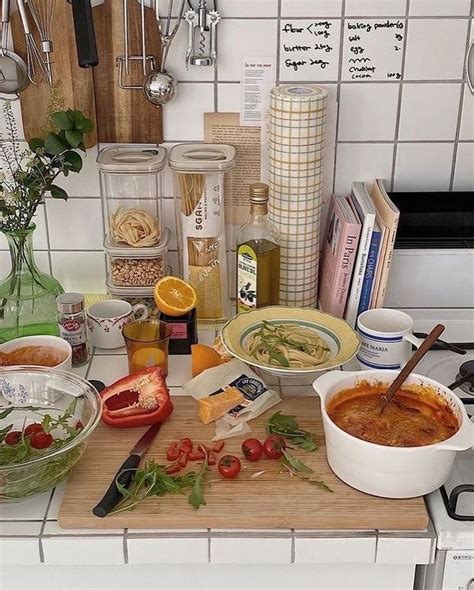
Before you start swapping ingredients, take a moment to understand the core elements of grandma’s recipe. What makes it that recipe? Is it a particular spice blend, a specific cooking method, or the balance of sweet and savory? Identify the non-negotiables and the components that offer flexibility. For example, a pasta sauce might hinge on garlic and oregano, but the type of tomato or added vegetables could be highly adaptable.
Identify Key Flavor Profiles and Textures
Think about the primary flavors (sweet, savory, acidic, earthy) and textures (creamy, crunchy, tender) the original recipe aims for. This insight will guide your substitutions, helping you choose garden ingredients that complement rather than clash. A recipe that calls for roasted root vegetables might easily incorporate parsnips or sweet potatoes if carrots are scarce, maintaining a similar earthy sweetness and tender texture.
Assessing Your Garden’s Generosity
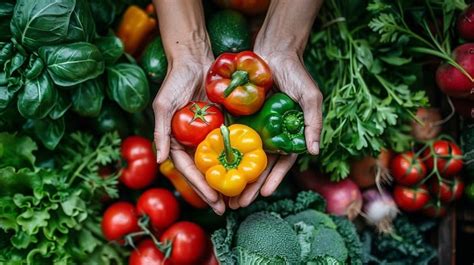
Next, take stock of your harvest. What do you have in abundance? Group your surplus by flavor profile, texture, and cooking compatibility. Are you swimming in zucchini, bursting with basil, or overwhelmed by tomatoes? Knowing your available ingredients is the first step to creative adaptation.
Swift Adaptation Strategies for Seasonal Surplus
1. Direct Vegetable Swaps
This is often the easiest starting point. If a casserole calls for green beans and you have an excess of wax beans or even snap peas, make the direct swap. Similarly, bell peppers can often be interchanged, or a recipe calling for spinach might welcome Swiss chard or kale with a slight adjustment in cooking time.
2. Adding Volume and Nutrients
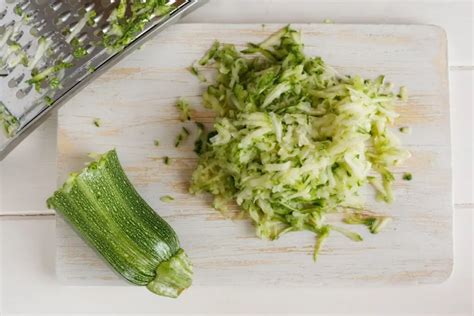
Many recipes, especially stews, soups, casseroles, and baked goods, can handle additional vegetables without altering the fundamental integrity. Have too many cherry tomatoes? Toss them into a pasta salad or roast them alongside chicken. Zucchini can be grated and added to meatloaf, quick breads, or even pancake batter. Finely chopped carrots or celery disappear beautifully into sauces, adding subtle sweetness and nutrition.
3. Herb and Spice Enhancements
Grandma’s recipes often have a distinct aromatic profile. If your herb garden is thriving, consider how fresh herbs can elevate or slightly alter the dish. Fresh basil, parsley, or dill can brighten a savory dish, while mint can add a refreshing twist to fruit-based desserts or even certain savory salads. Just remember that fresh herbs are generally more potent than dried, so adjust quantities accordingly.
4. Sidekick Solutions
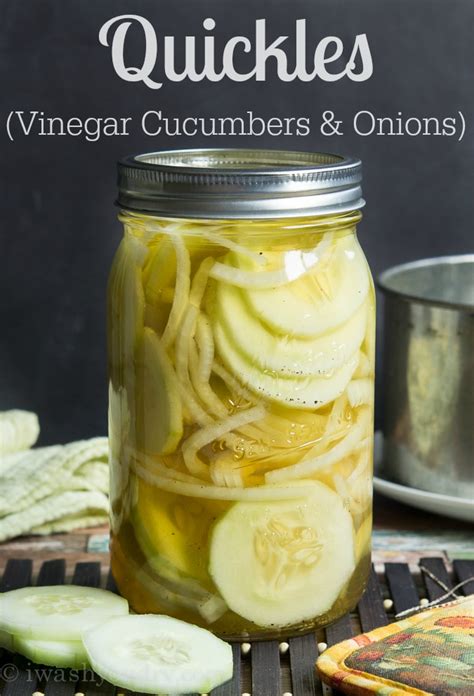
Sometimes, the easiest way to use your surplus isn’t to integrate it directly into the main dish, but to create a complementary side. An abundance of cucumbers can become a refreshing side salad or a quick pickle to accompany a rich meat dish. Roasted root vegetables make an excellent accompaniment to a traditional roast, even if the roast recipe itself isn’t altered. This approach keeps the original recipe intact while still showcasing your garden’s bounty.
5. Preservation for Future Adaptations
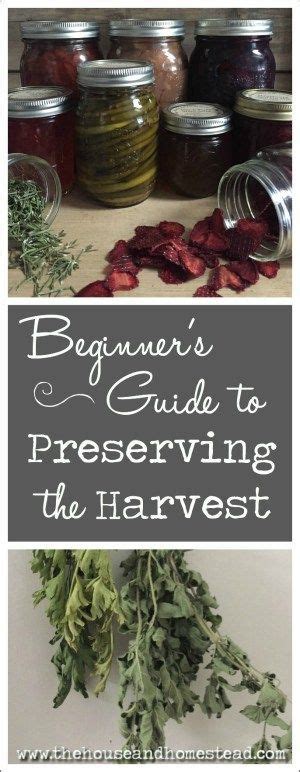
When the surplus is truly overwhelming, think beyond the immediate meal. Quick preservation methods like blanching and freezing vegetables (corn, peas, green beans), making simple tomato sauce or pesto for freezing, or quick pickling can allow you to use your garden’s gifts in grandma’s recipes months down the line. Imagine using your homemade frozen tomato sauce in her famous lasagna during the winter!
Don’t Be Afraid to Experiment (Gently)
The beauty of cooking is experimentation. Start with small changes. Maybe swap out one vegetable this time, or add a handful of fresh herbs. Over time, you’ll develop an intuitive sense for how to best integrate your garden’s yield into cherished recipes. Grandma, after all, probably made her own adaptations based on what was available to her!
Conclusion: A Taste of Tradition, Freshly Harvested
Adapting grandma’s recipes with your seasonal garden surplus is a delightful way to merge the past with the present. It’s about respecting the foundations of a beloved dish while embracing the vibrant flavors and nutrition your garden provides. So go ahead, get creative in the kitchen, and enjoy the delicious fruits (and vegetables!) of your labor.